
It has been a little while since I posted a proper update on Lucky Thirteen. We all have our quirks and, in this case, there was a particular project I wanted to complete before writing said update. But now that it is done, I am free to post.
And boy do we have some BIG news for this one – not just one but several…
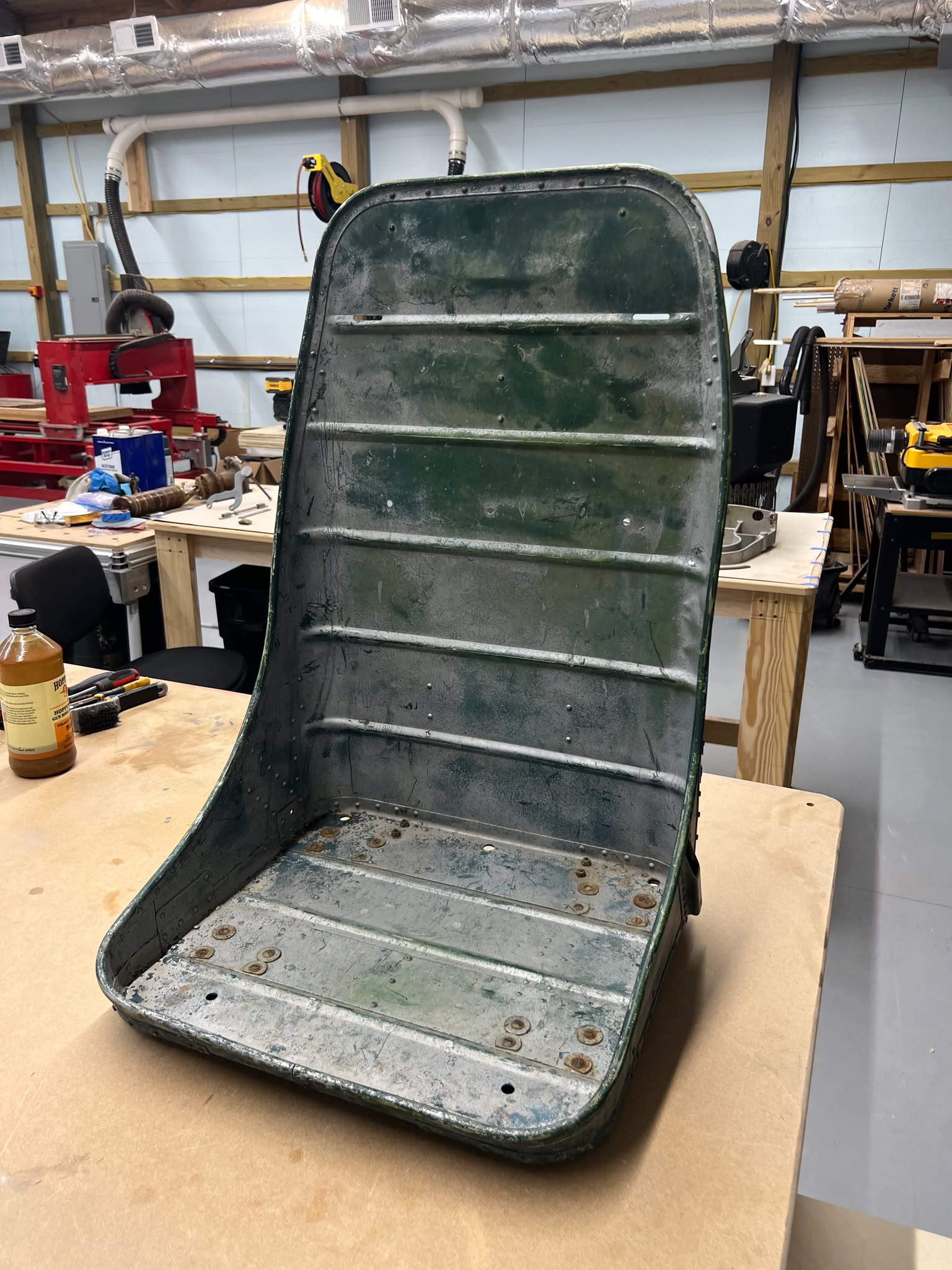
We now have the second pilot seat for Lucky Thirteen!
This seat comes to us from Greg Stathatos, an amazing friend and honcho of B-17 Archaeology.
Greg is a man of many talents but the thing that has always amazed me is his ability to rally people to good causes. Over the years, he has managed to see that multiple aircraft in dire need of attention receive the care and attention they so badly deserve. While many are sympathetic to the preservation of vintage aircraft, it is not always easy to get people to roll up their sleeves and work. But Greg has a knack for inspiring people to do just that.
This seat was found in a cache of parts that Greg had been asked to assess in 2022. The seat was presented as coming from a Boeing B-17 but Greg was cautious. With good reason – parts are routinely faked as coming from B-17s. Surprisingly, this one proved genuine.
And I can hardly overstate my surprise and honor when Greg said that he wanted to donate it to the project.
Photo taken 30 September 2025.
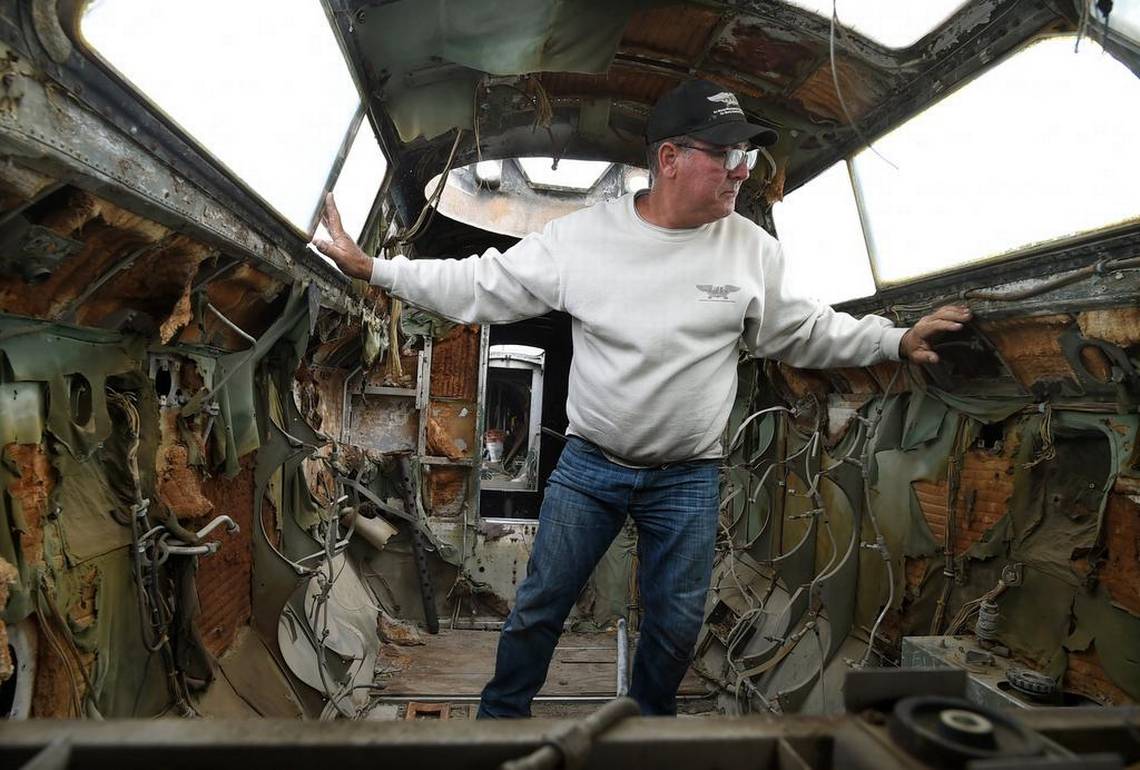
Greg Stathatos poses in the cockpit of B-17G Preston’s Pride (44-85738) in Tulare, California.
Preston’s Pride is one of many aircraft that Greg has worked to bring public attention toward. A veteran of the Bikini Nuclear Weapons Tests, she may be the only surviving B-17 whose interior fabric remains untouched.
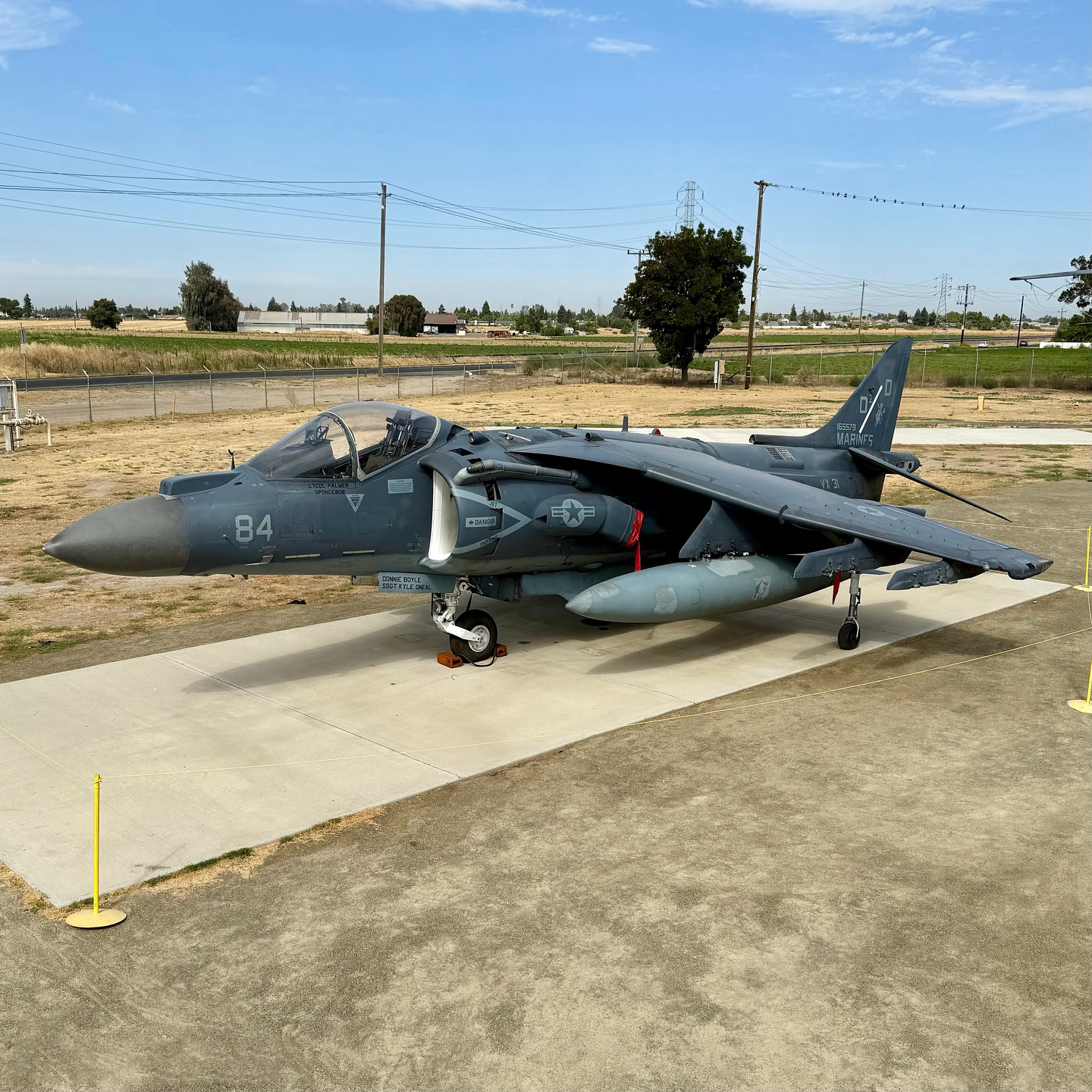
Greg held onto the seat for some time, the goal being that he could bring it to us in person. But during that period, Greg was approached by Castle Air Museum about putting his talents toward the maintenance of their collection, and life just got in the way.
Back in July, Greg called with an unusual request. The US Marine Corps is in the process of retiring the McDonnell Douglas AV-8 Harrier II and an example from MCAS Cherry Point, BuNo 165579, was earmarked for display at Castle. Additional components were being trucked over and I was asked if I could play babysitter for a few extraneous shipping containers. No problemo.
When the truck came back by on its return trip, the B-17 pilot seat came with.
Photo by Uretsky Aviation.
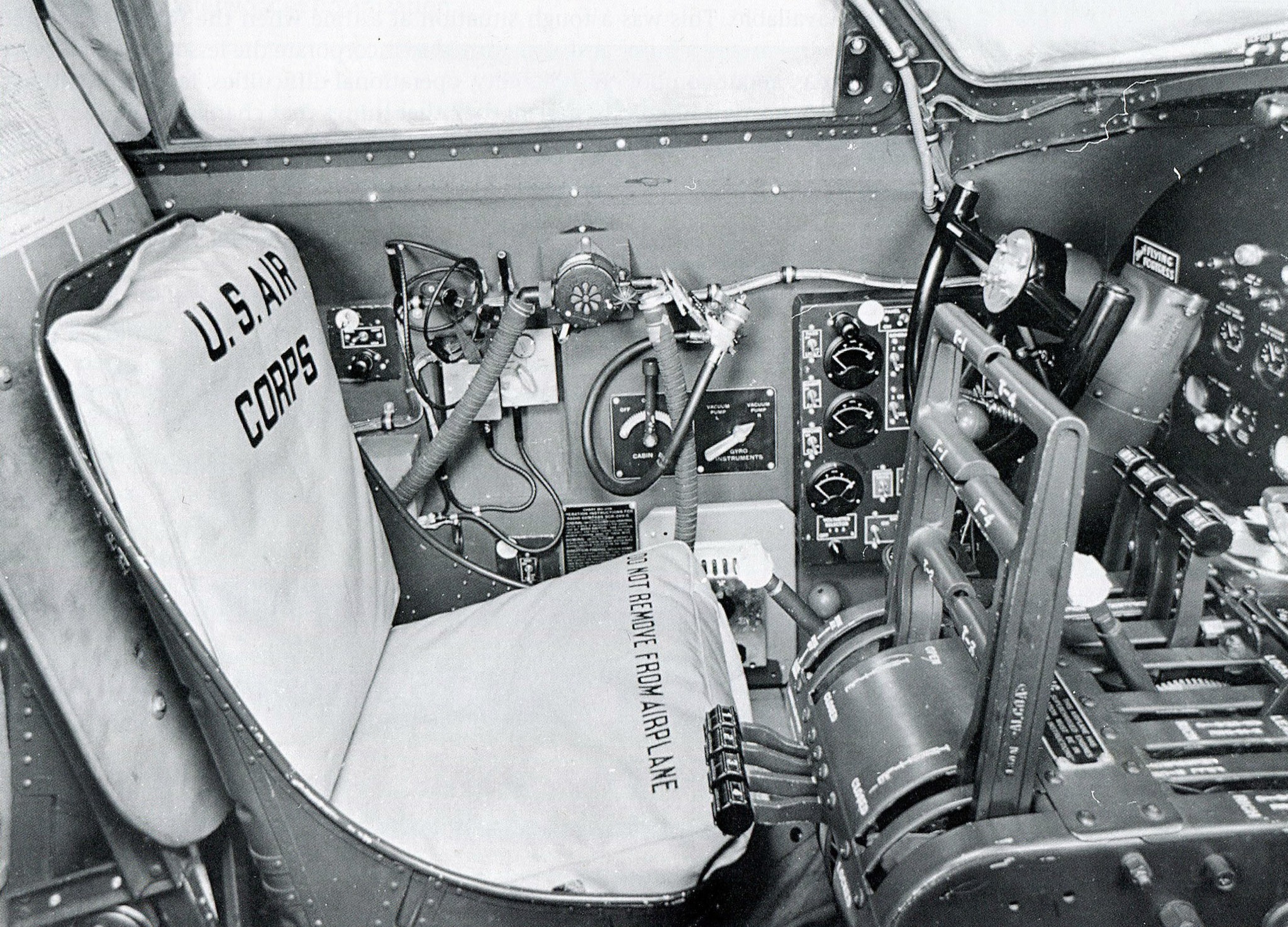
The pilot seat aboard a B-17F, very much the same as what would have been on Lucky Thirteen.
The design of this bucket seat was surprisingly complex, due to its curvature, beading, and spot welds. Despite this, the seat’s design remained relatively unchanged throughout the aircraft’s production run.
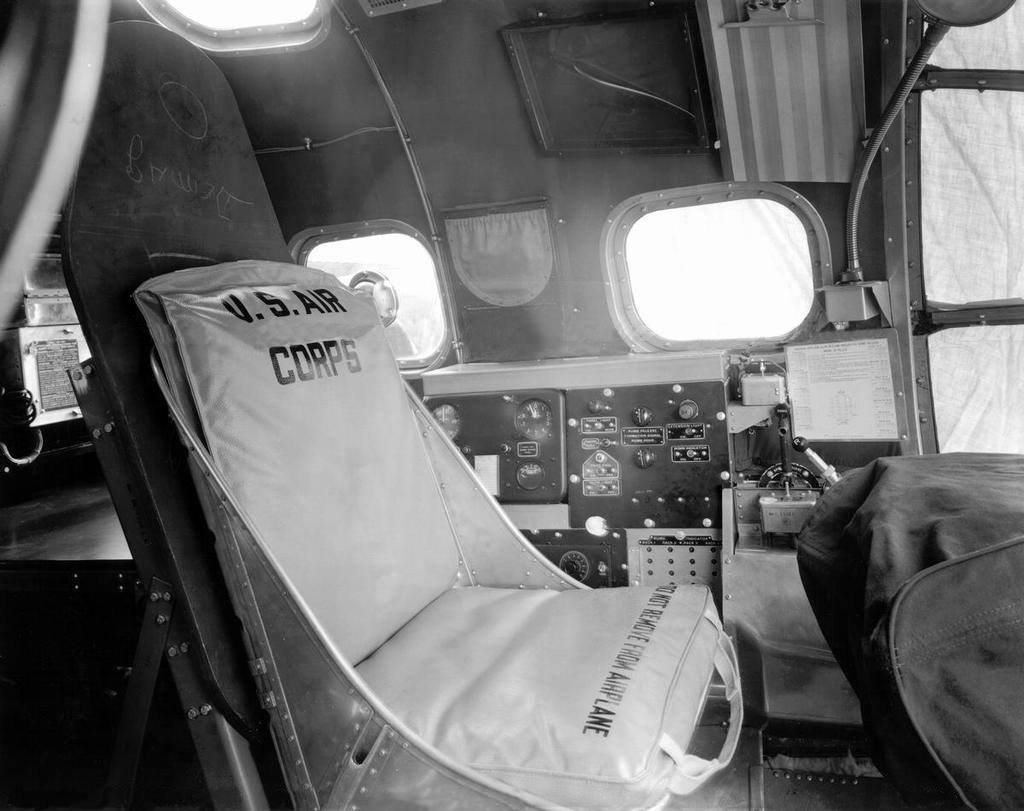
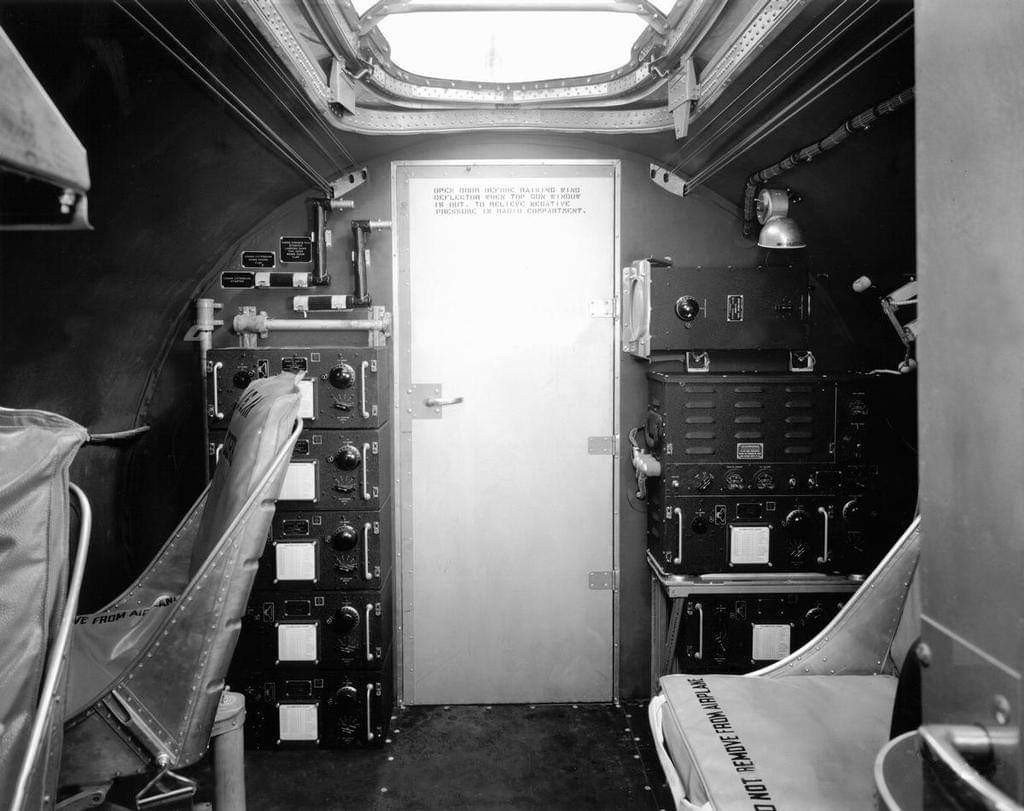
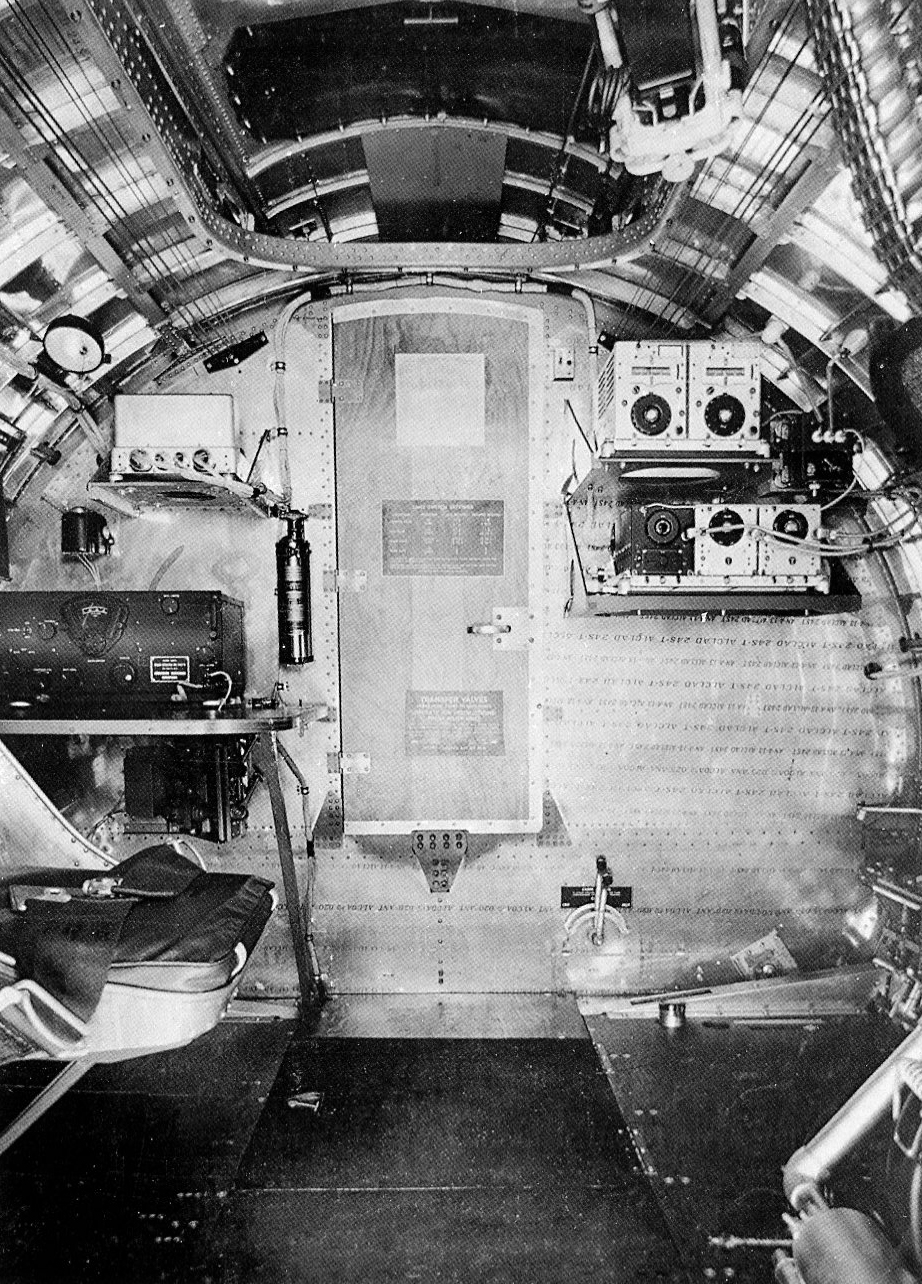
Similar bucket seats were also found in other positions, depending on B-17 variant.
Up through block F-50-BO, the bombardier’s position used a bucket seat with a heavy armor plate behind. This seat was almost always removed in favor of simply kneeling on the floor.
Similarly, the radio operator’s position used a bucket seat (with a smaller armor plate) up through block F-100-BO. Provisions were also made for a pair of passenger seats in this compartment up through F-80-BO, though these too were almost always removed.
The radio operator’s bucket seat made a surprise return, sans armor plate, in block G-60-BO.
It should be noted that these seats, while visually similar, were all slightly different in design from that used in the cockpit.
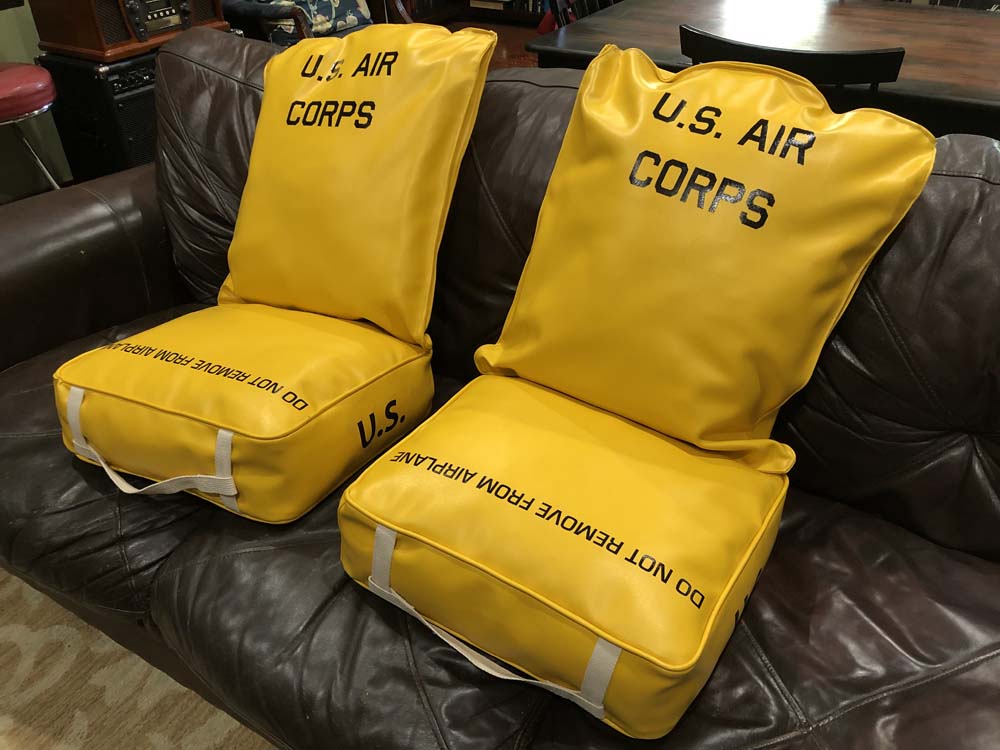
Pilot seat cushions recreated for Lucky Thirteen as thanks for working on Memphis Belle. Truly one of the great honors of my life.
A later version of these cushions read “Army Air Forces” and had “US Army” written on the sides.
Photo taken 10 September 2020.
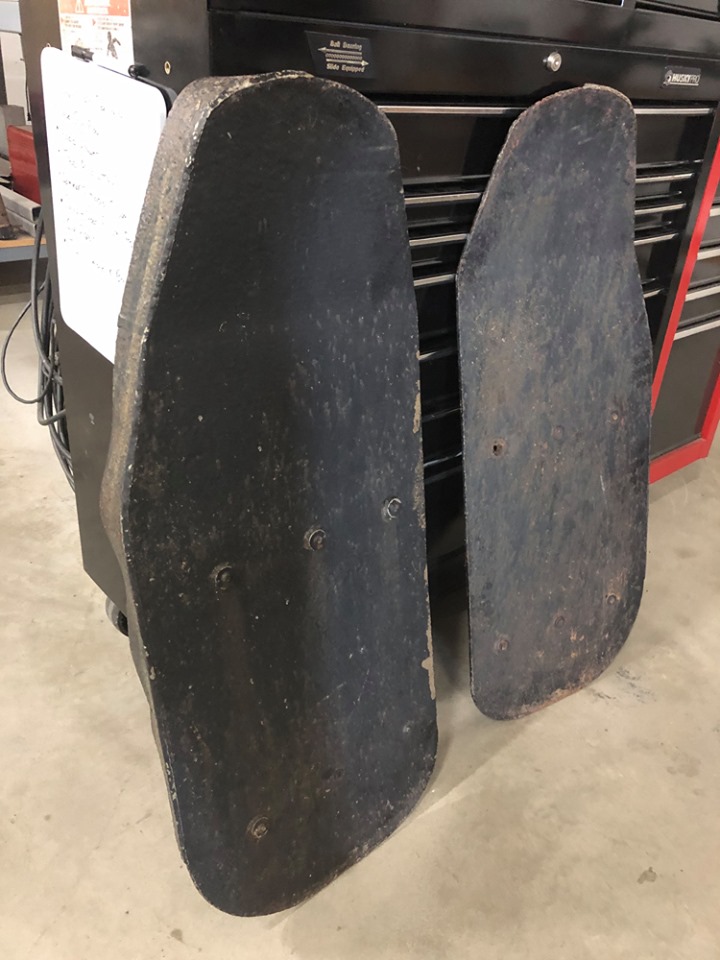
An original set of armor seat plates donated to us by Brian Freer in the UK.
Photo taken 9 August 2019.
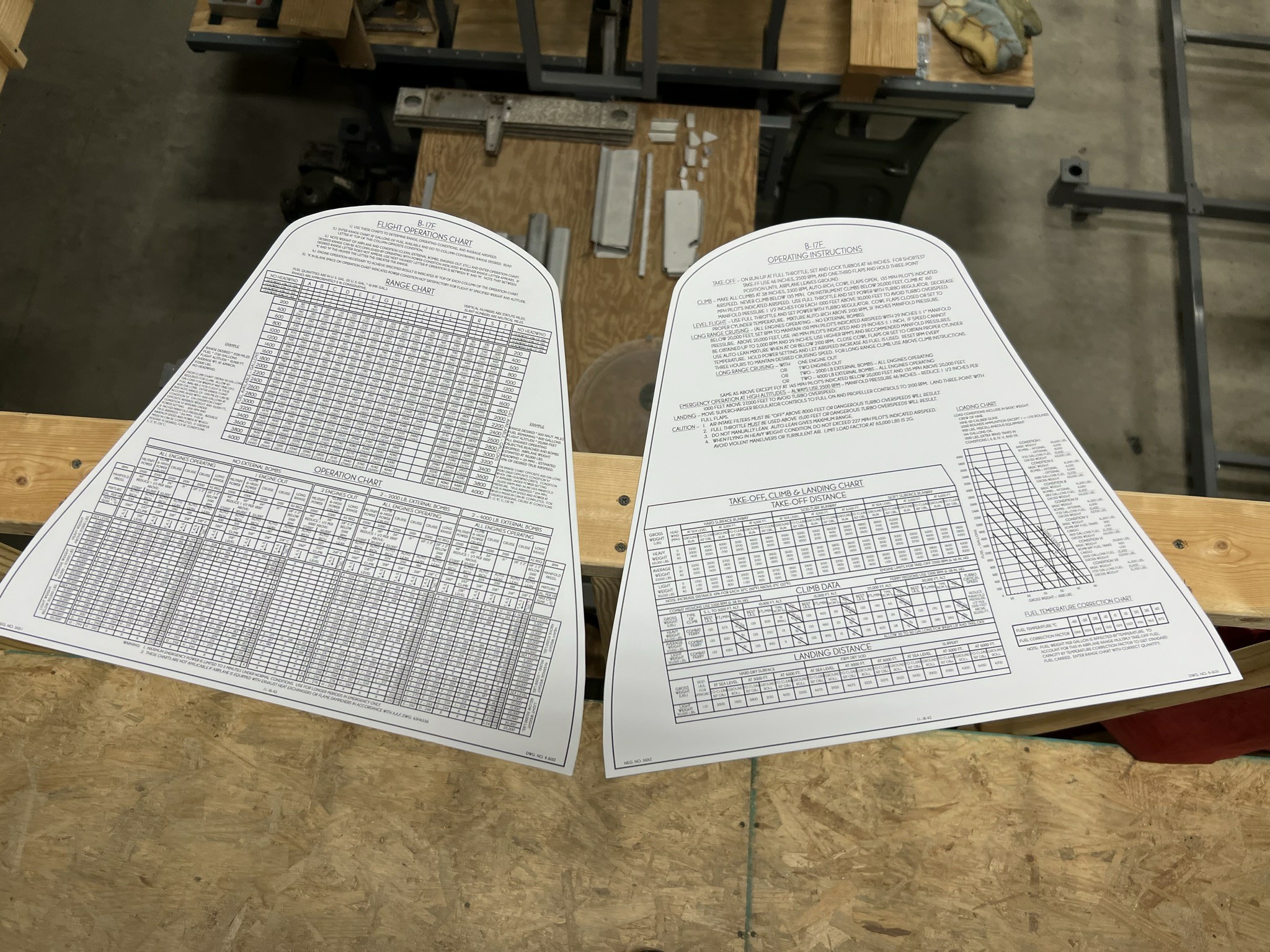
The recreated Operating Instruction and Flight Operations Charts for Lucky Thirteen.
Special thanks to Karl Hauffe who found the original prints for these back in 2019.
Photo taken 9 February 2024.
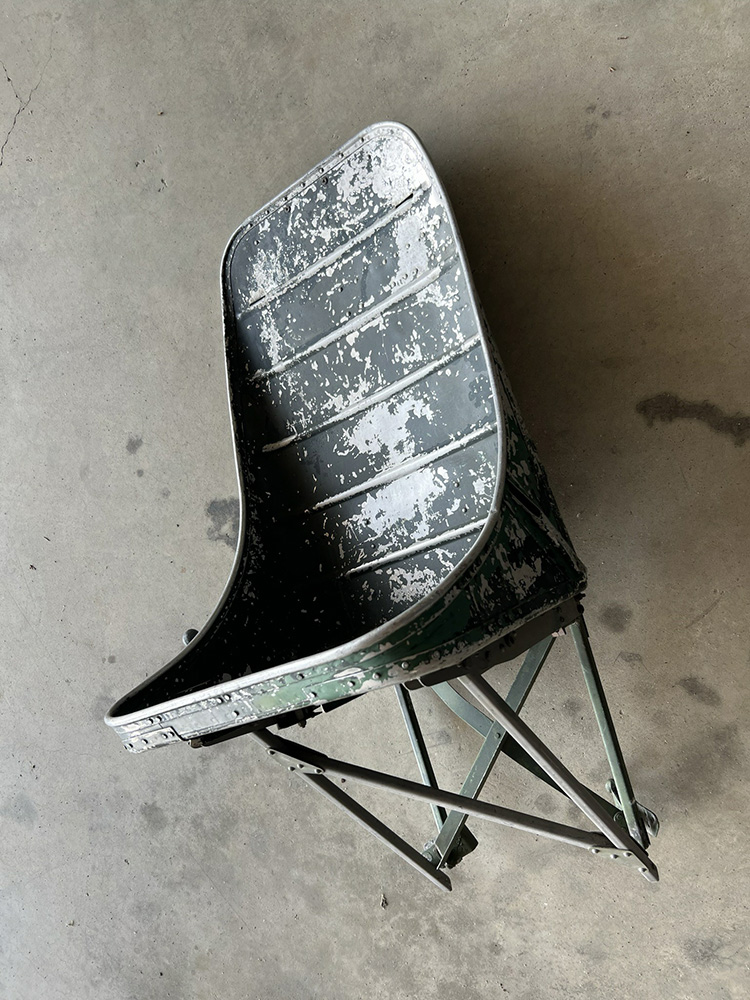
The first pilot seat for Lucky Thirteen.
This seat was donated by Eric Miller of Project Warbird. Our sister project, Project Warbird is restoring Consolidated Liberator II Maid of Athens (AL557) in nearby Anderson, South Carolina.
This seat was found amongst the remains of Maid of Athens. From her, Eric was able to acquire for us a pilot’s seat, the radio room hatch window, four sets of cowl rings, and several sets of landing gear components. One particularly surprising find was the missing station from our stinger assembly!
Now to recreate the complex frame assembly for the two pilot seats. Anyone want to volunteer?
Photo taken 28 June 2023.
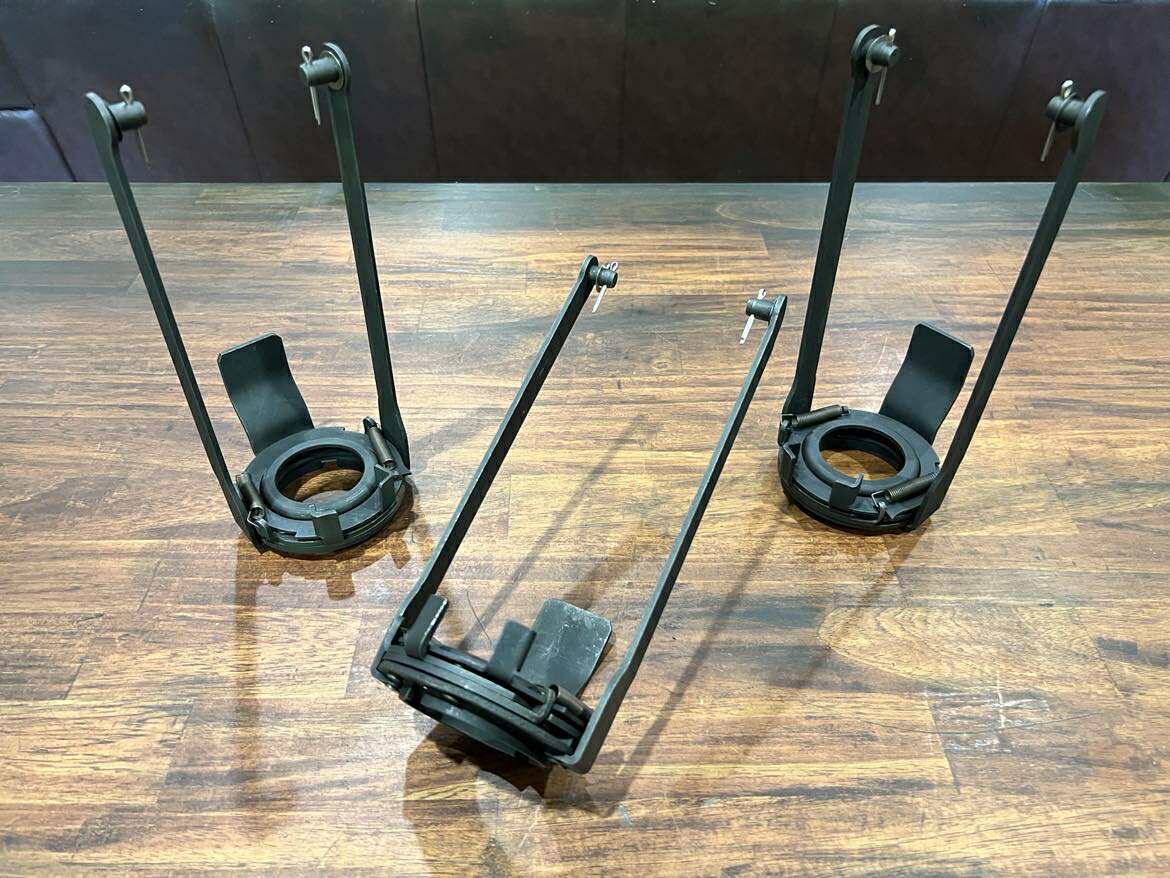
This is another big deal, friends. We now have the Type C-19 mount adapters for Lucky Thirteen!
These were made by our amazing friend Shaun Riley in the UK. Because there is such a great need for C-19 adapters, Shaun used an original example as a pattern to have replicas made. These newly-manufactured units are absolutely perfect, to the extent that they cannot be differentiated.
Shaun is selling these pieces for £500 a piece so, if you are in need of one, just let us know and we will put you in touch with him.
Photo taken 22 October 2025.
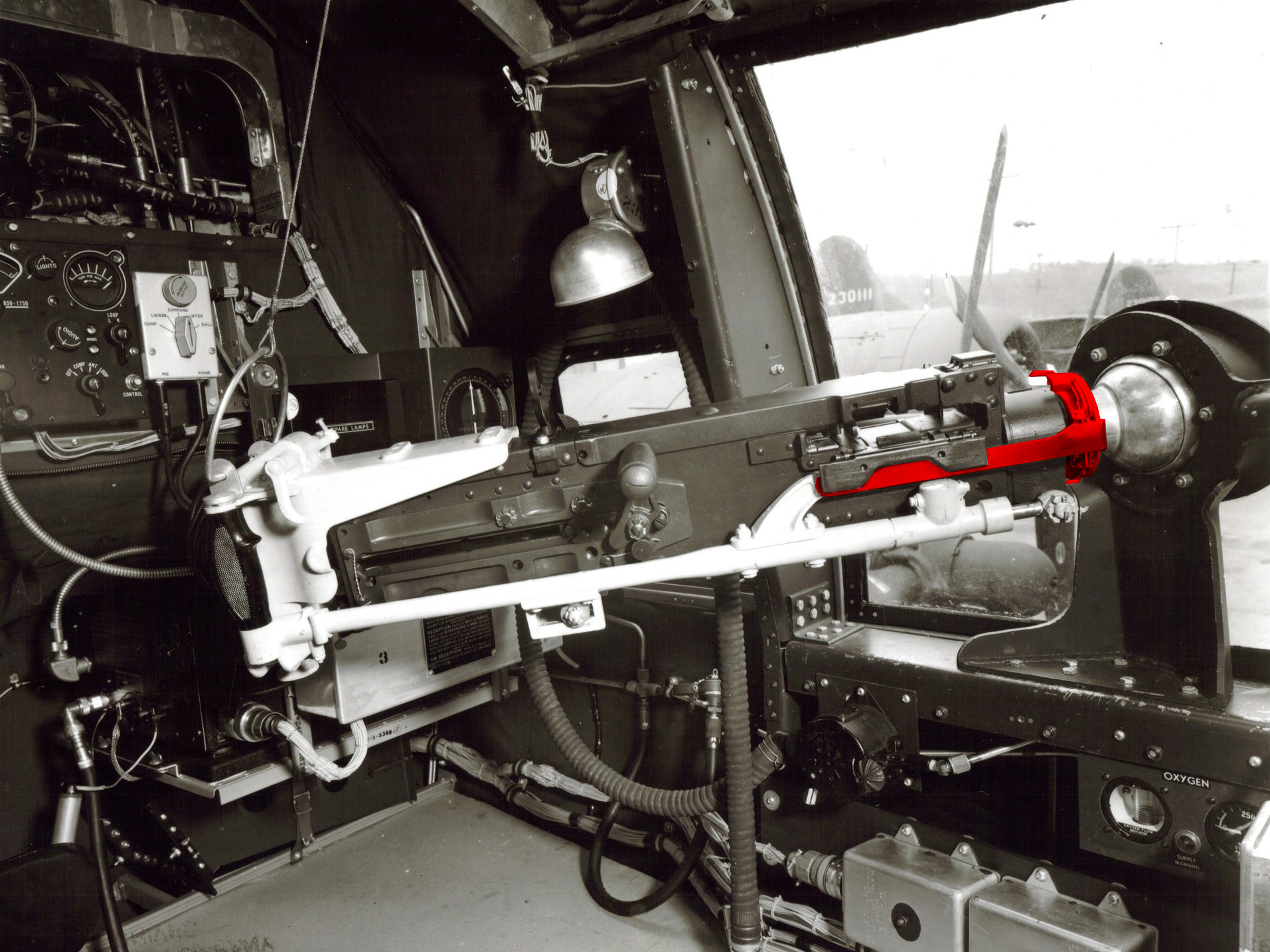
The navigator’s position aboard a B-17F slightly older than Lucky Thirteen. The C-19 adapter has been highlighted here.
The C-19 was designed to attach the E-11 gun cradle to the K-4 ball mount, using a spring lock mechanism to clamp to a groove in the K-4’s barrel sleeve. While Lucky Thirteen only had a single K-4 (for her nose gun), we have seen examples of Type K-5 mounts (which were used in the cheek position) with C-19s attached and wanted to be careful.
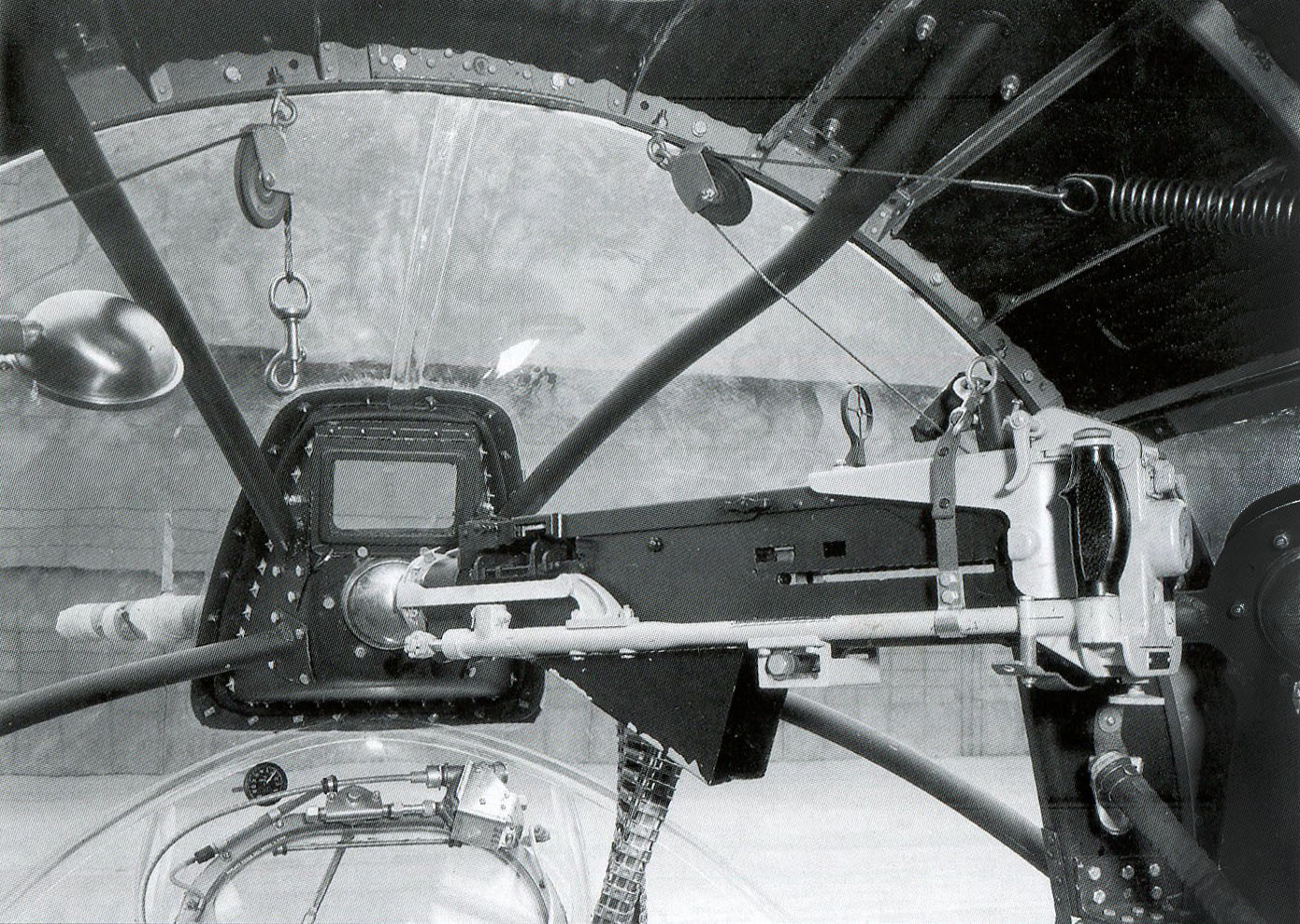
Manual image of a center-mounted nose gun. A hopper has been added underneath the gun cradle to deflect shells away from the plexiglass.
C-19s were produced by Ainsworth Manufacturing, an autoparts producer out of Detroit, Michigan from 1920 to 1957. Two varieties were produced, an early silver type and a later black one.
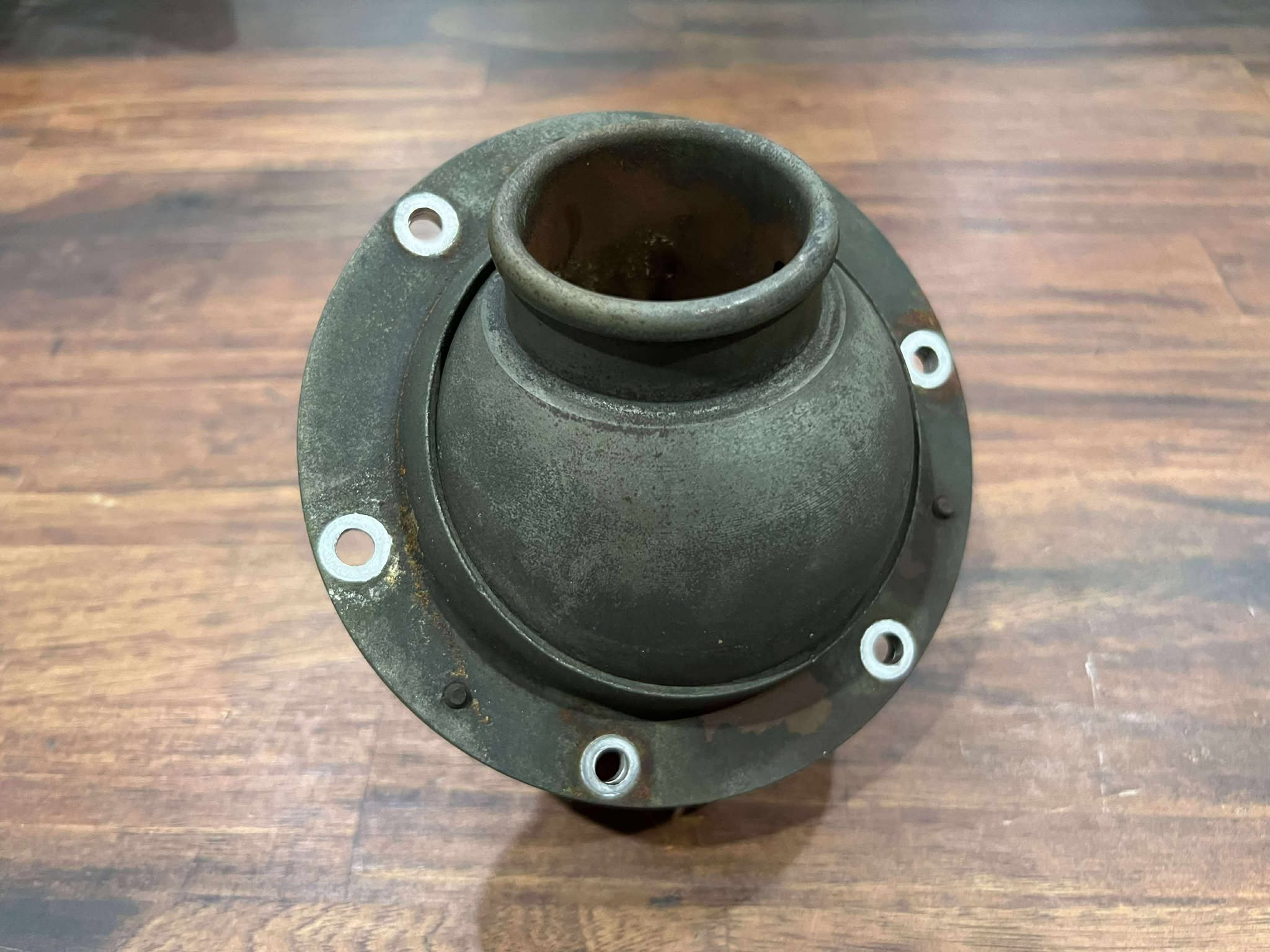
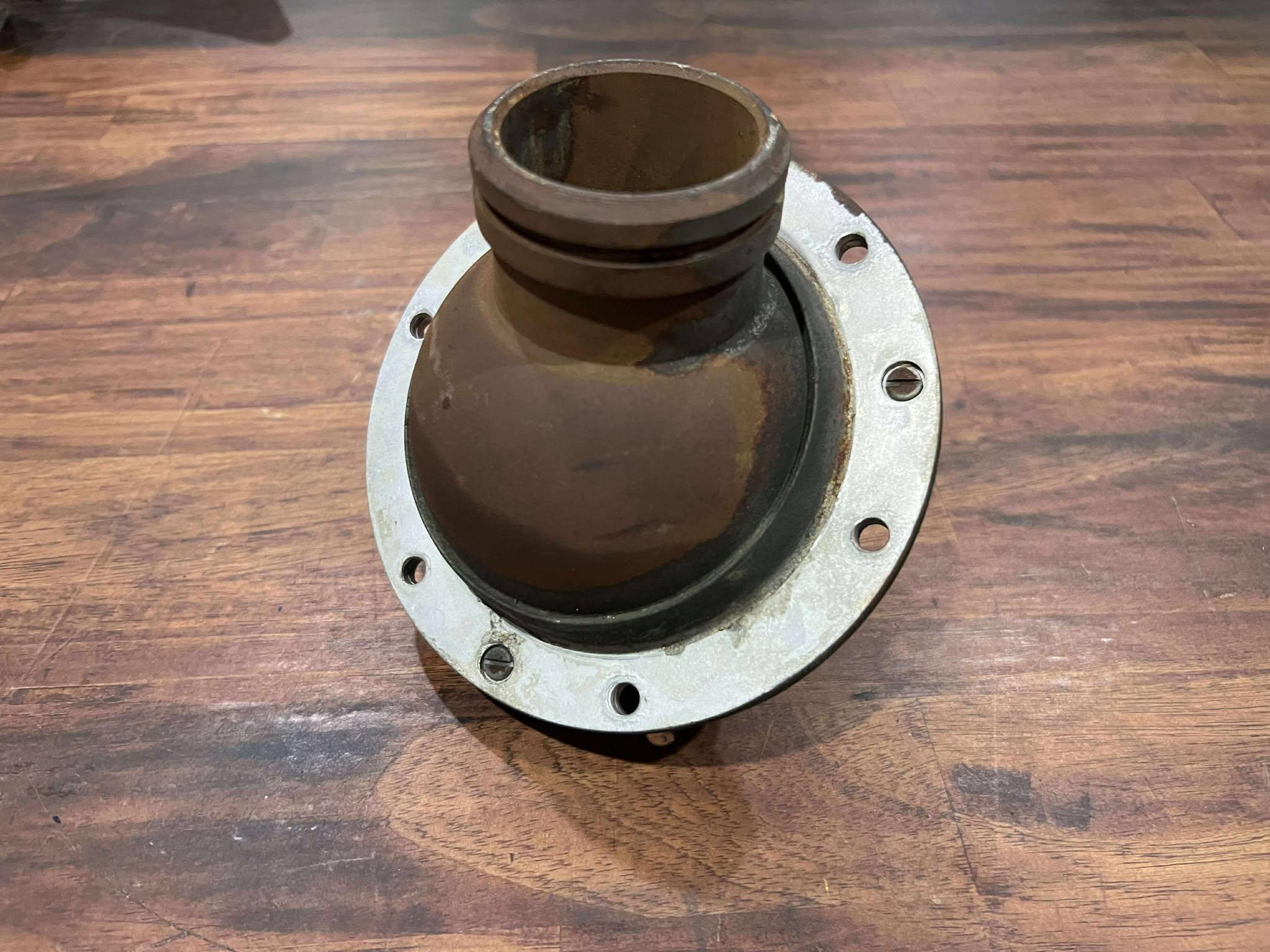
The K-4 ball mount for Lucky Thirteen, donated by Eric Miller. Despite first appearances, this piece is in remarkable shape, showing virtually no signs of pitting. It just needs to be refinished.
The C-19 grasps the groove visible just above.
Photo taken 6 June 2025.
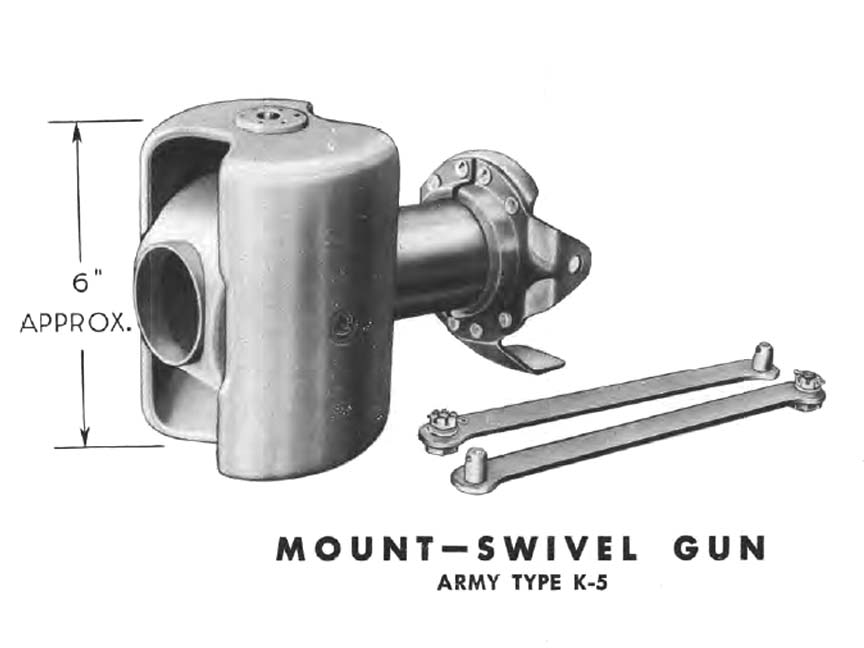
Lucky Thirteen carried a pair of Type K-5 mounts for her cheek gun positions.
As you can see from this manual illustration, K-5s supposedly came with their own adapter built-in, meaning that they were not supposed to require a C-19. That said, we have seen examples of C-19s attached to K-5s, so better safe than sorry!
If you can help with the K-5s needed for Lucky Thirteen, please let us know!
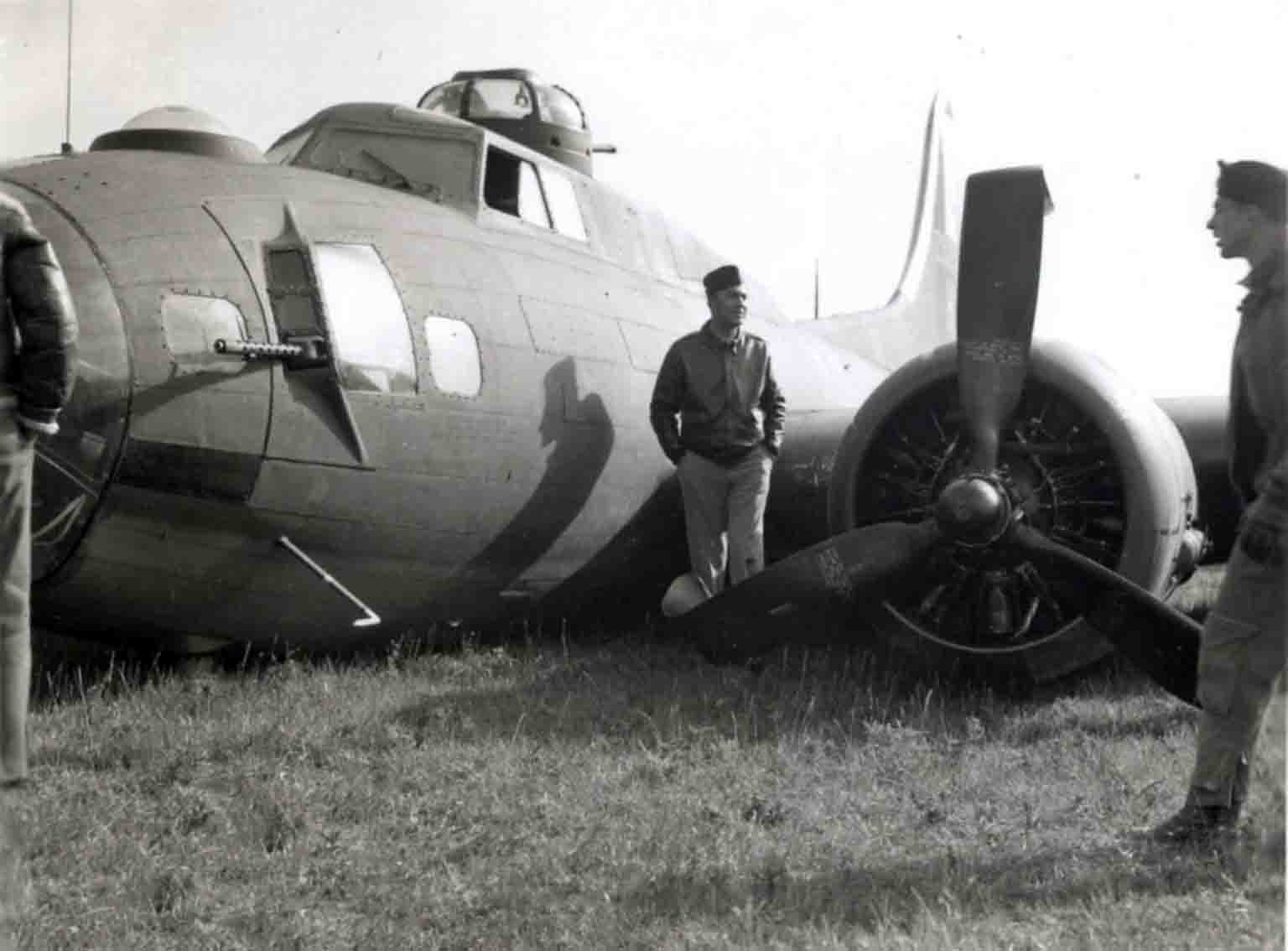
Spot Remover (42-30246, 390BG), a B-17F with cheek guns identical to that of Lucky Thirteen.
This photo was part of a series documenting the return of this aircraft, having jettisoned its ball turret in the English Channel and belly landing at RAF Framlingham on 21 September 1943.
Speaking of ball turrets…
Outside of the airframe itself, everything lately has been focused on the ball turret’s motor assembly. We are SO close to having it all assembled, restored, and running.
A quick mechanical overview:
The ball turret ran on a 28V 100 amp DC electric motor, sandwiched on either side by a pair of hydraulic transmissions. This was known as the Vickers “double power unit.” (Vickers as in, Sperry Vickers, now a subsidiary of Danfoss). Both the A-1 Upper and A-2 Ball used identical double power units.
Attached to the double power unit were the turret’s azimuth and elevation gears. For the ball, the hand control and gunsight attached to a bracket that hugged the motor and bolted to the transmissions on either side. A hydraulic reservoir hung overhead, feeding the two transmissions, with an overflow cup clipped to the gunsight bracket. A pair of linkages connected the hand control to the transmissions, moving the baffles inside with the movement of the handles.
Longtime supporters might recall that the transmissions were the first pieces to be restored, followed by the hand control, gunsight bracket, and overflow cup. Since returning from California, I have refinished the reservoir and azimuth gear and tracked down the fittings to run the hydraulic lines.
The motors for both of Lucky Thirteen’s turrets are currently at Fred’s shop. Once he is finished with the interior, I will finish the exterior and begin mounting the various pieces together. Now that we have the linkages which connect the hand control to the two transmission assemblies, we have every piece we need.
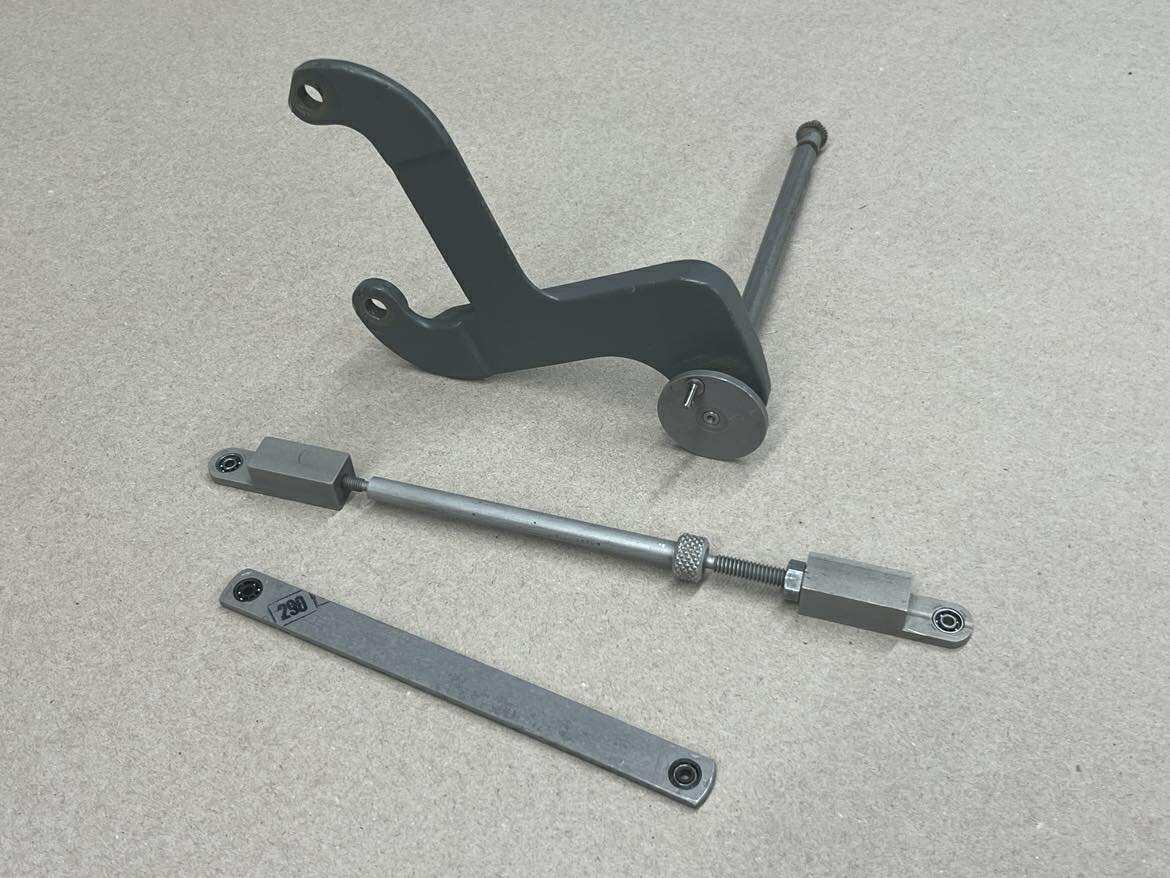
The newly-arrived linkages for the ball turret’s motor assembly.
Now cleaned of 80 years of grime, they are in such good shape that they do not need refinishing.
The center linkage connects the hand control to the azimuth transmission. The other two linkages connect the hand control to the elevation transmission.
Photo taken 29 September 2025.
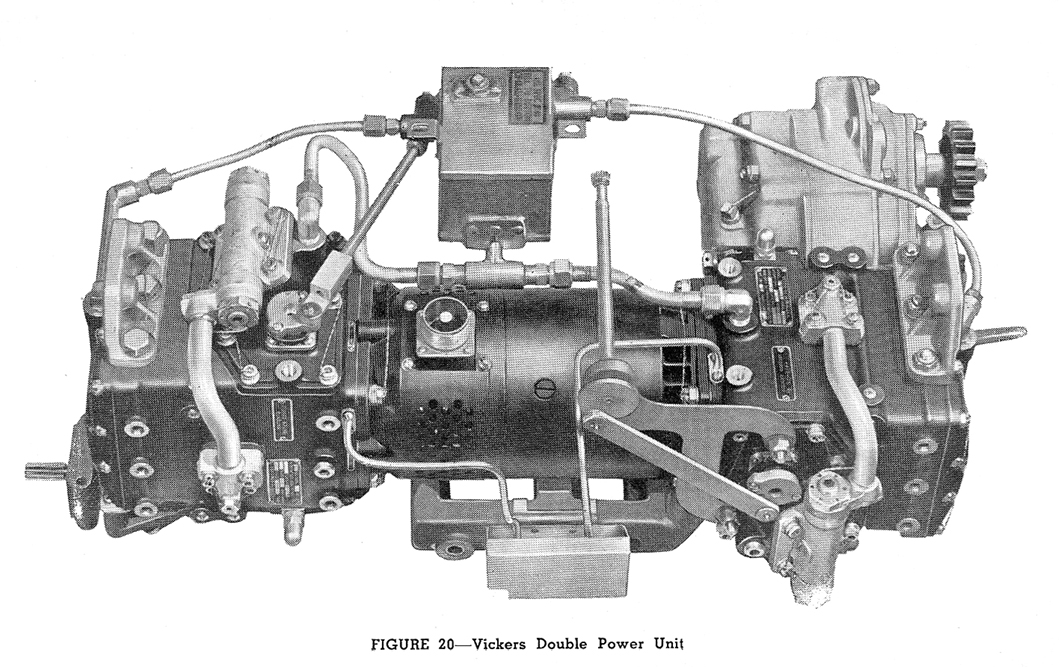
Manual illustration of the ball turret’s motor assembly.
When everything is put together, this is exactly what our motor will look like.
And it will be fully functional.
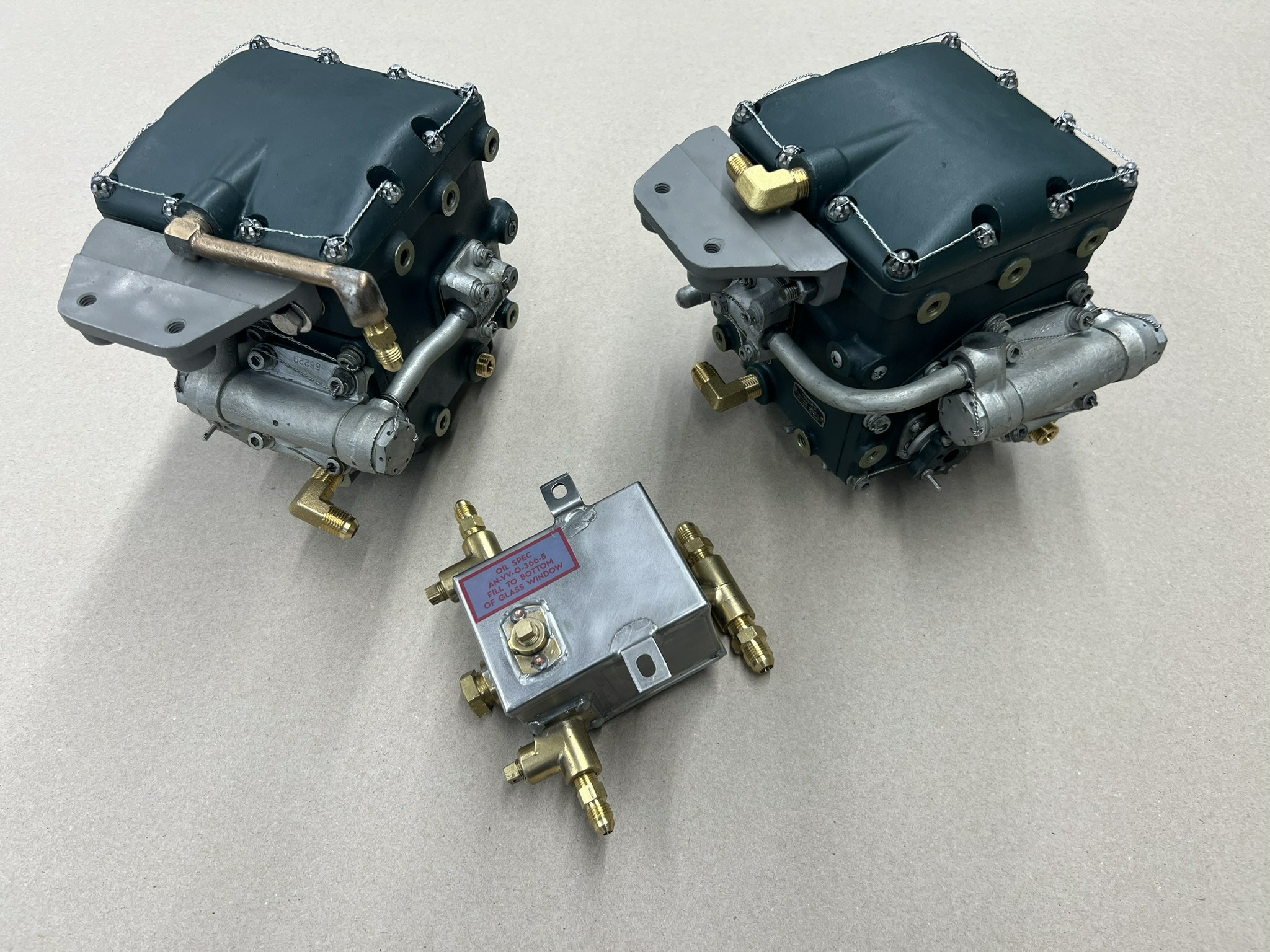
The hydraulic reservoir along with the two transmissions. Restored and ready to have their lines flared and ran!
Photo taken 20 September 2025.
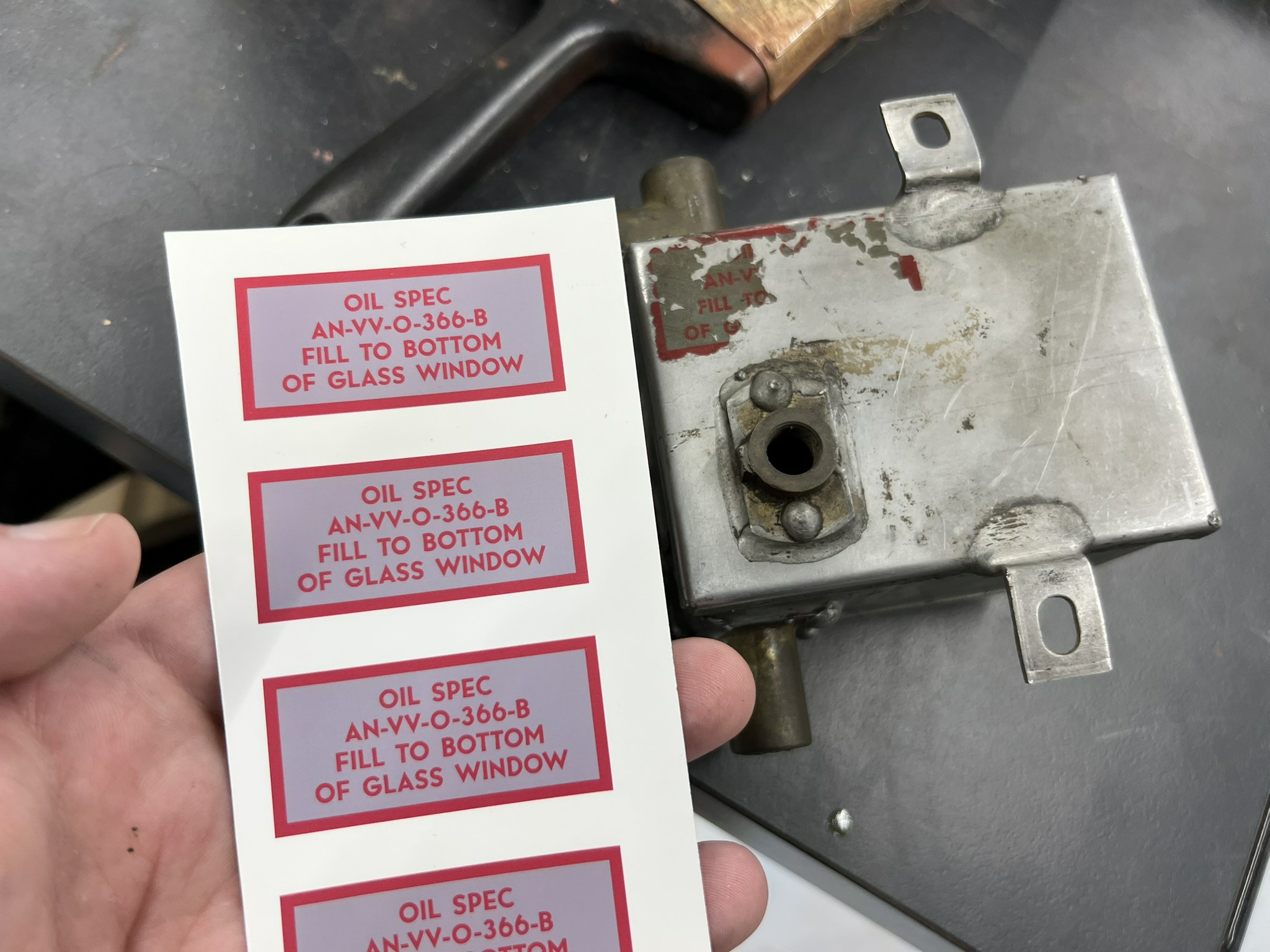
The original decal on the tank was in poor condition, so we recreated it.
Photo taken 8 September 2025.
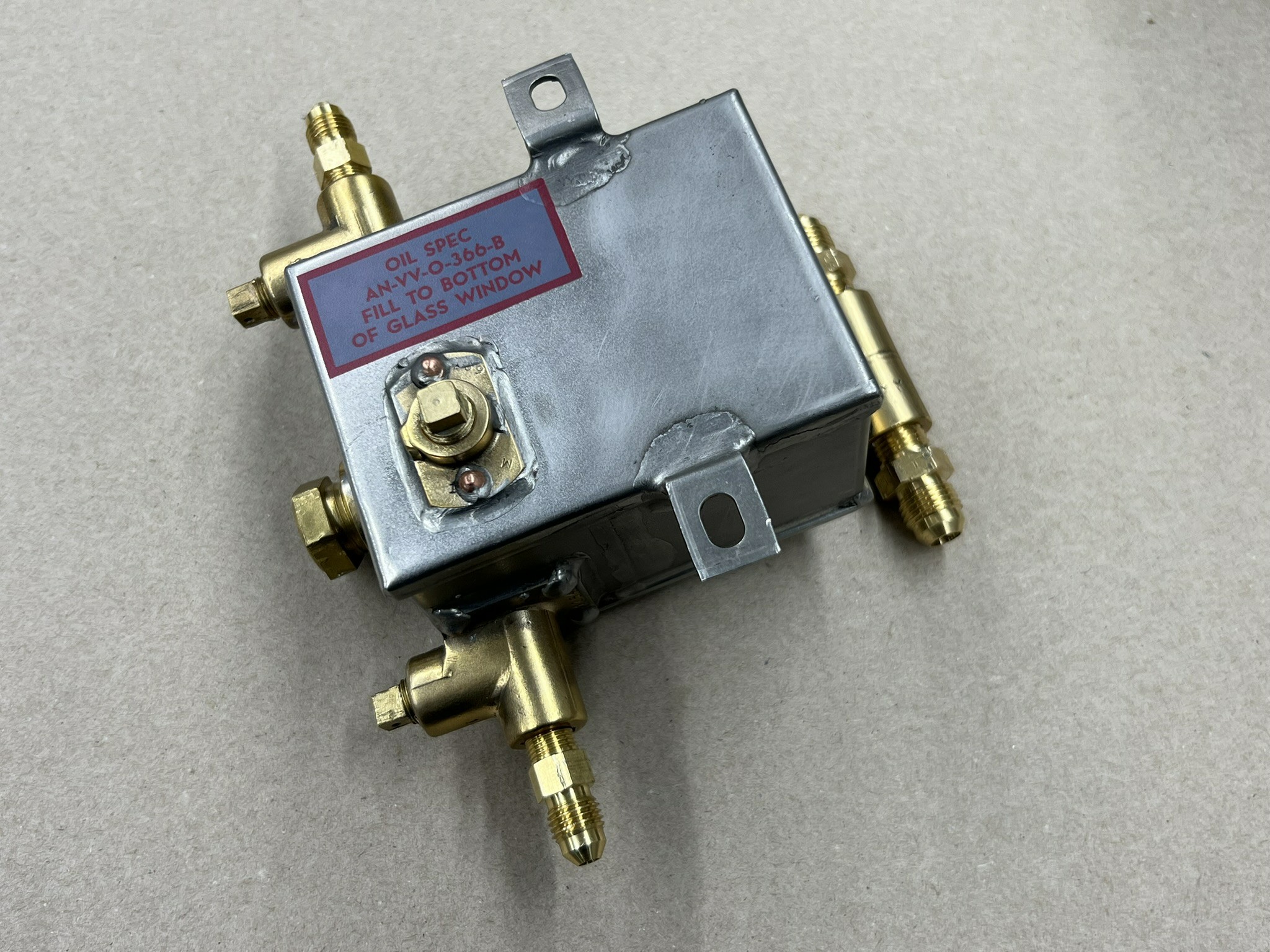
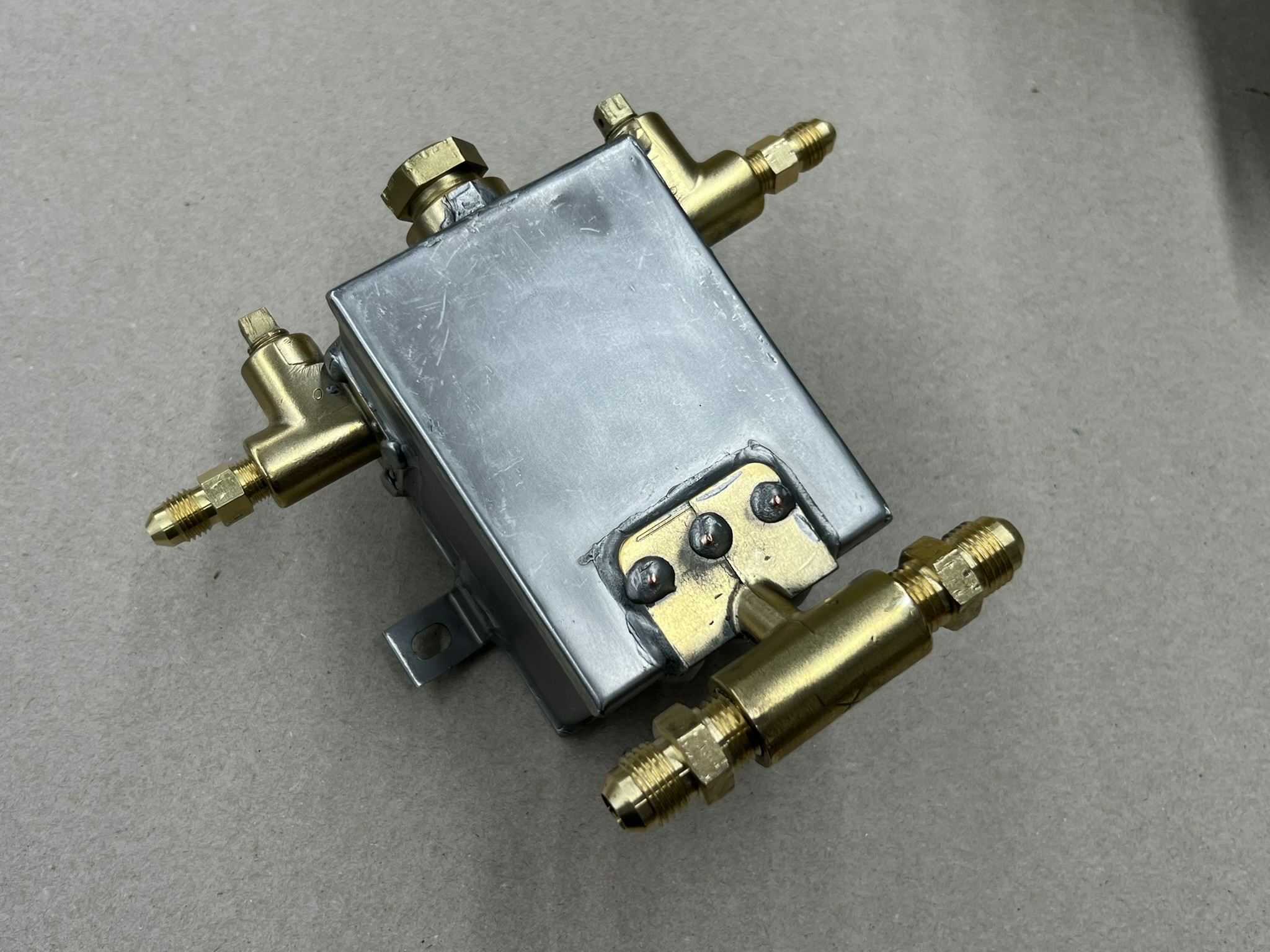
The recently restored hydraulic reservoir tank for the A-2 Ball Turret on Lucky Thirteen.
The fitting at the top is a tiny glass window to be able to see the fluid levels inside.
The welds on this tank are not particularly pretty. Most likely, this unit failed a leak test and was depot repaired while in service.
Photo taken 20 September 2025
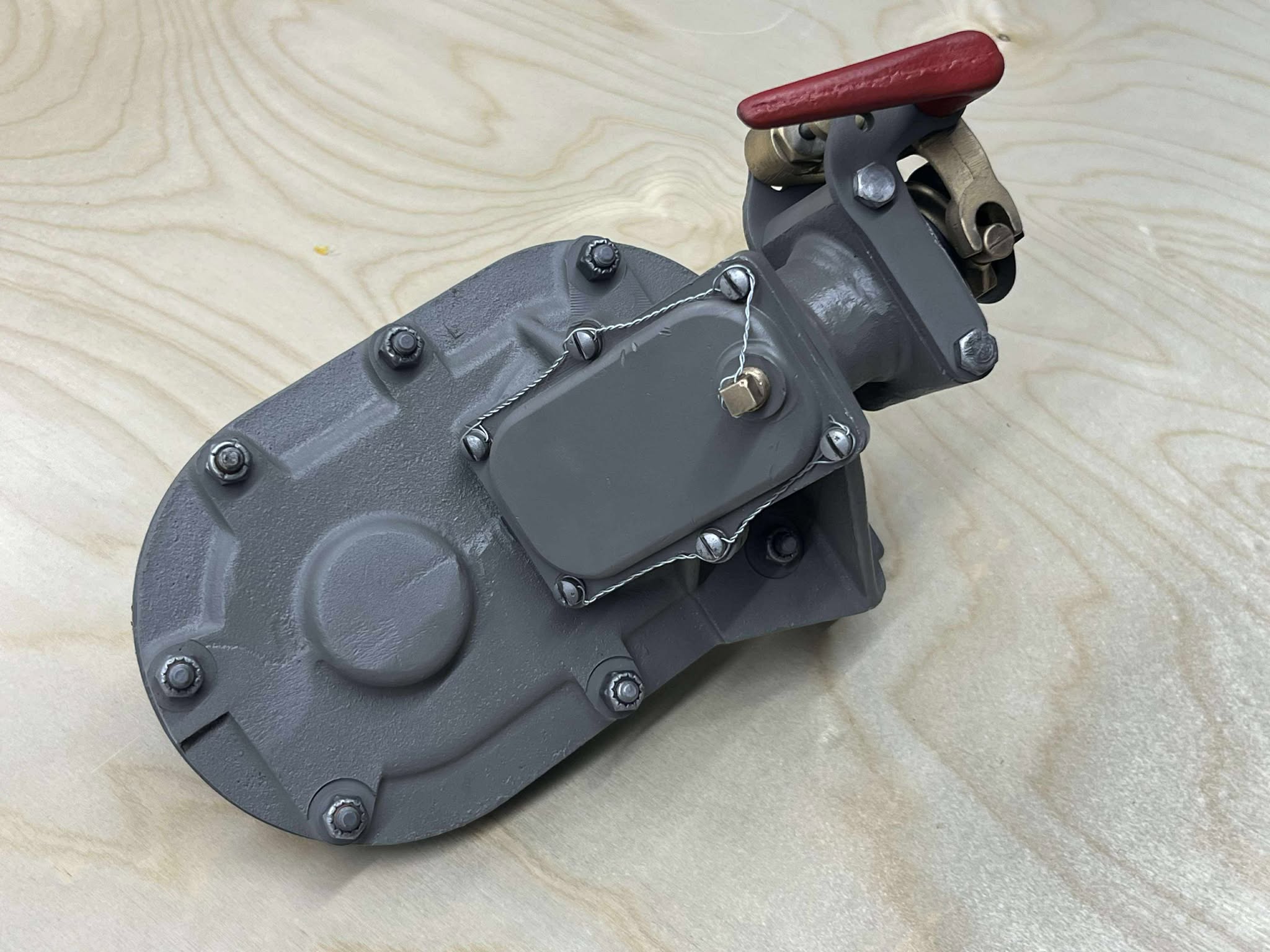
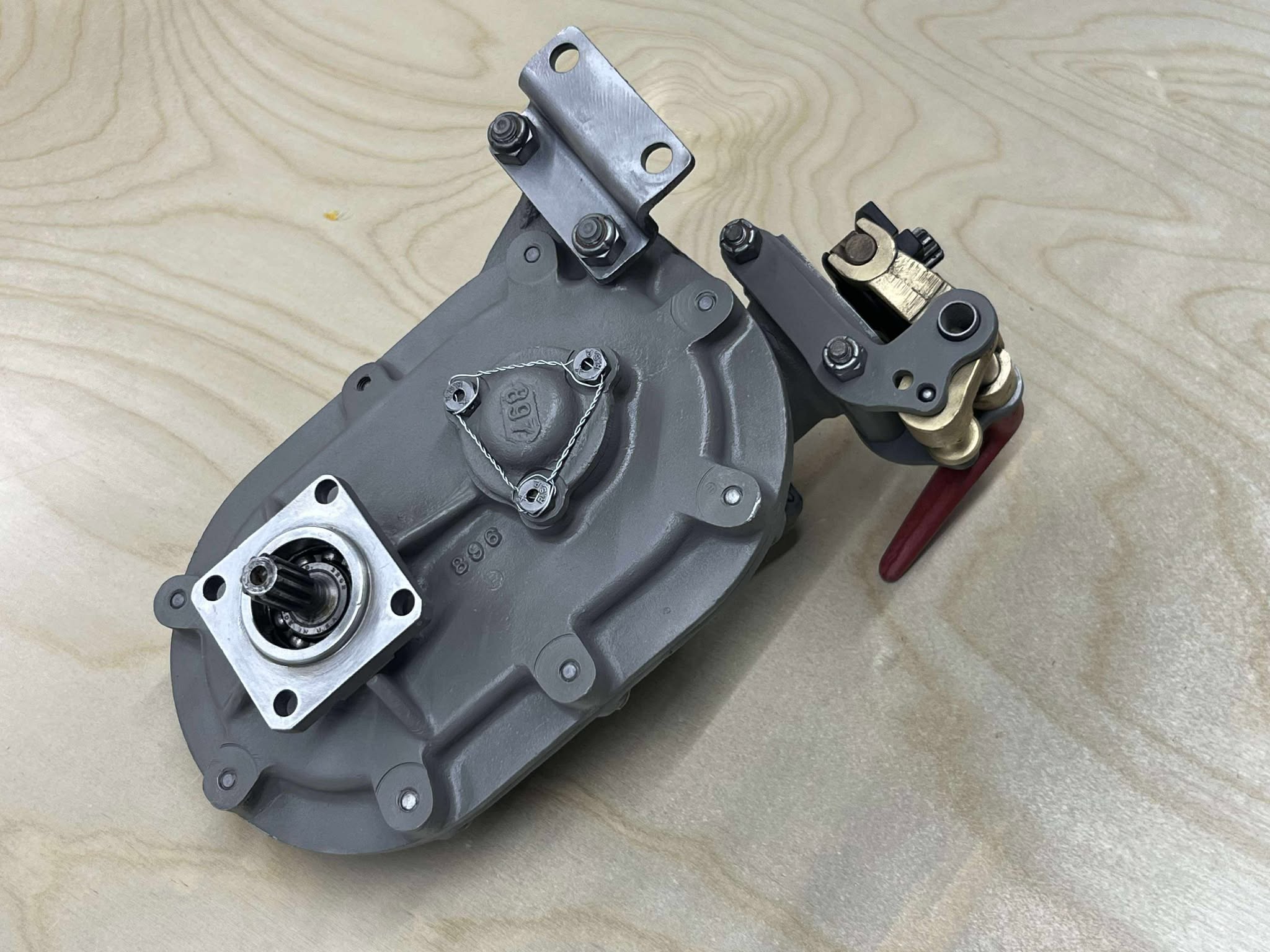
The refinished azimuth gear.
The open face area is where the gear attaches to its transmission. The brass piece to the right is where the gear attaches to a second assembly, which bridges the internal azimuth gear to the azimuth pinion gear on the trunnion outside. The red handle is the azimuth gear’s clutch.
The ball on Lucky Thirteen was made by Briggs, hence the gray color. We have endeavoured to acquire all Briggs parts in our restoration.
Photo taken 15 September 2025.
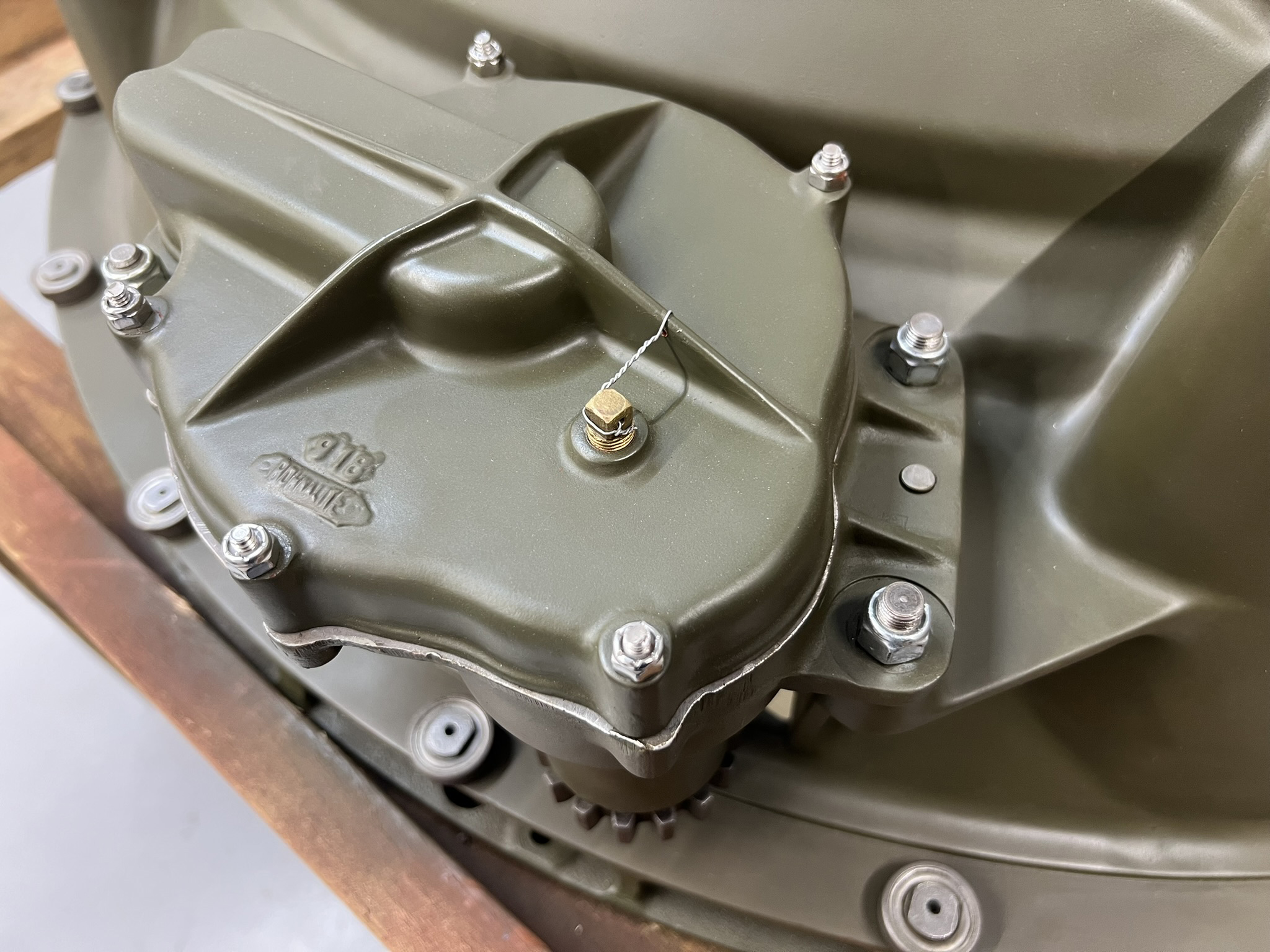
The azimuth pinnion gear on the outside of the ball turret’s trunnion.
There was no need for an external azimuth hand crank – if the turret needed to be rotated manually, you simply grabbed the hanger and pushed.
Photo taken 7 August 2025.
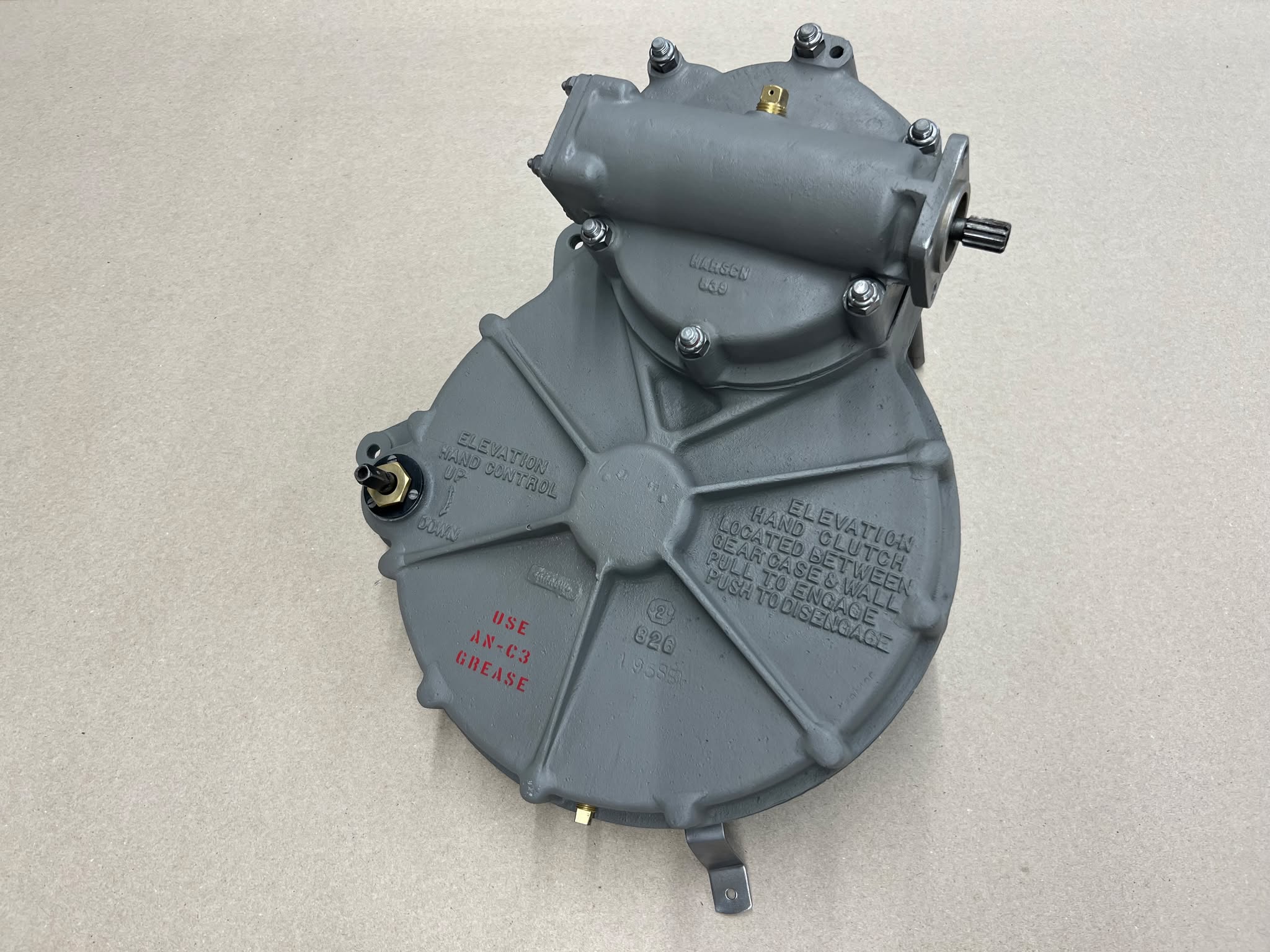
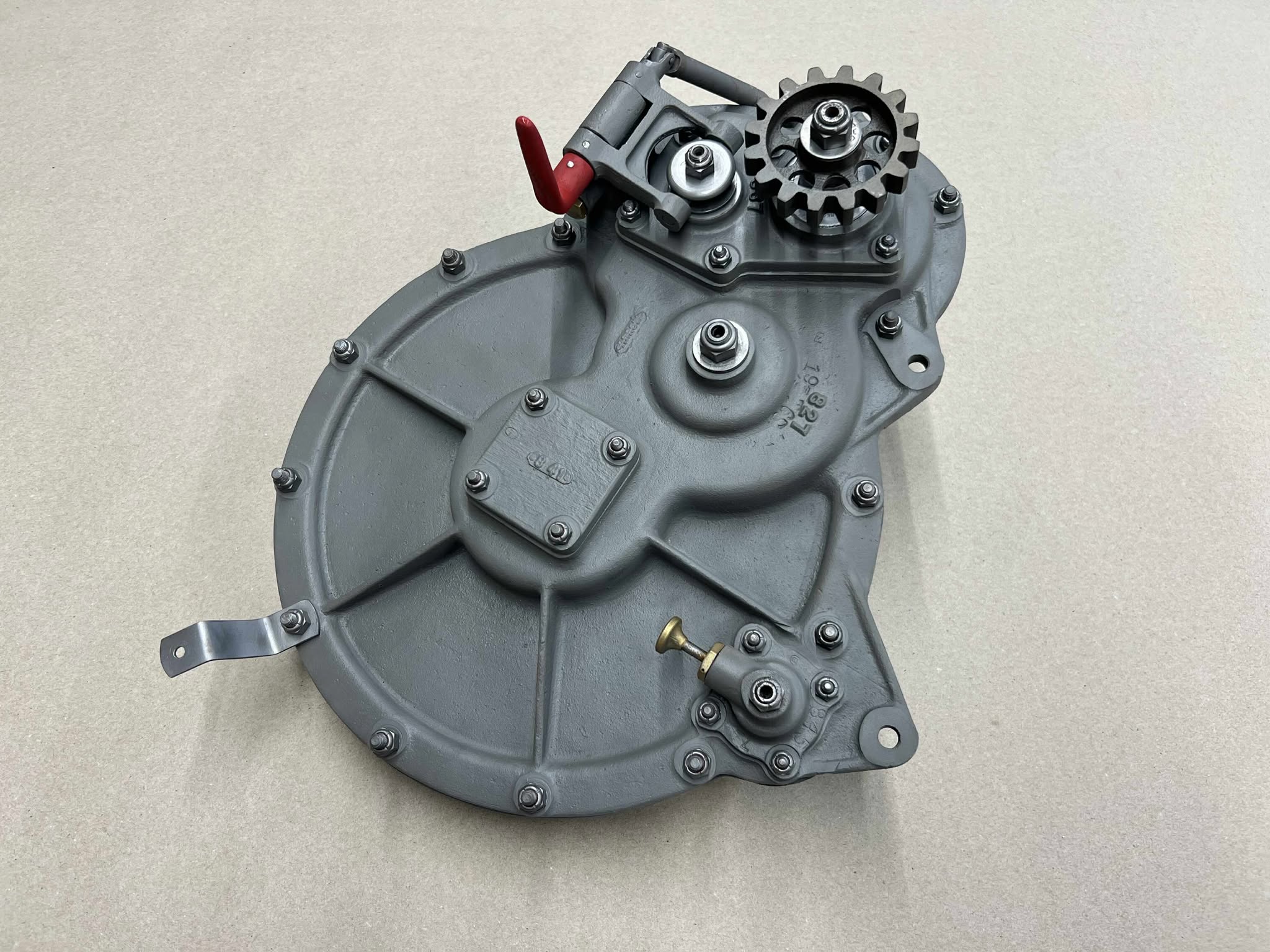
The refinished elevation gear.
The largest of the internal gears, the elevation gear covers nearly all of the gunner’s left side.
Again, the red handle at the top is the gear’s main clutch. The brass push-rod at the bottom is the clutch for the elevation gear’s hand crank.
Photos taken 7 October 2025.
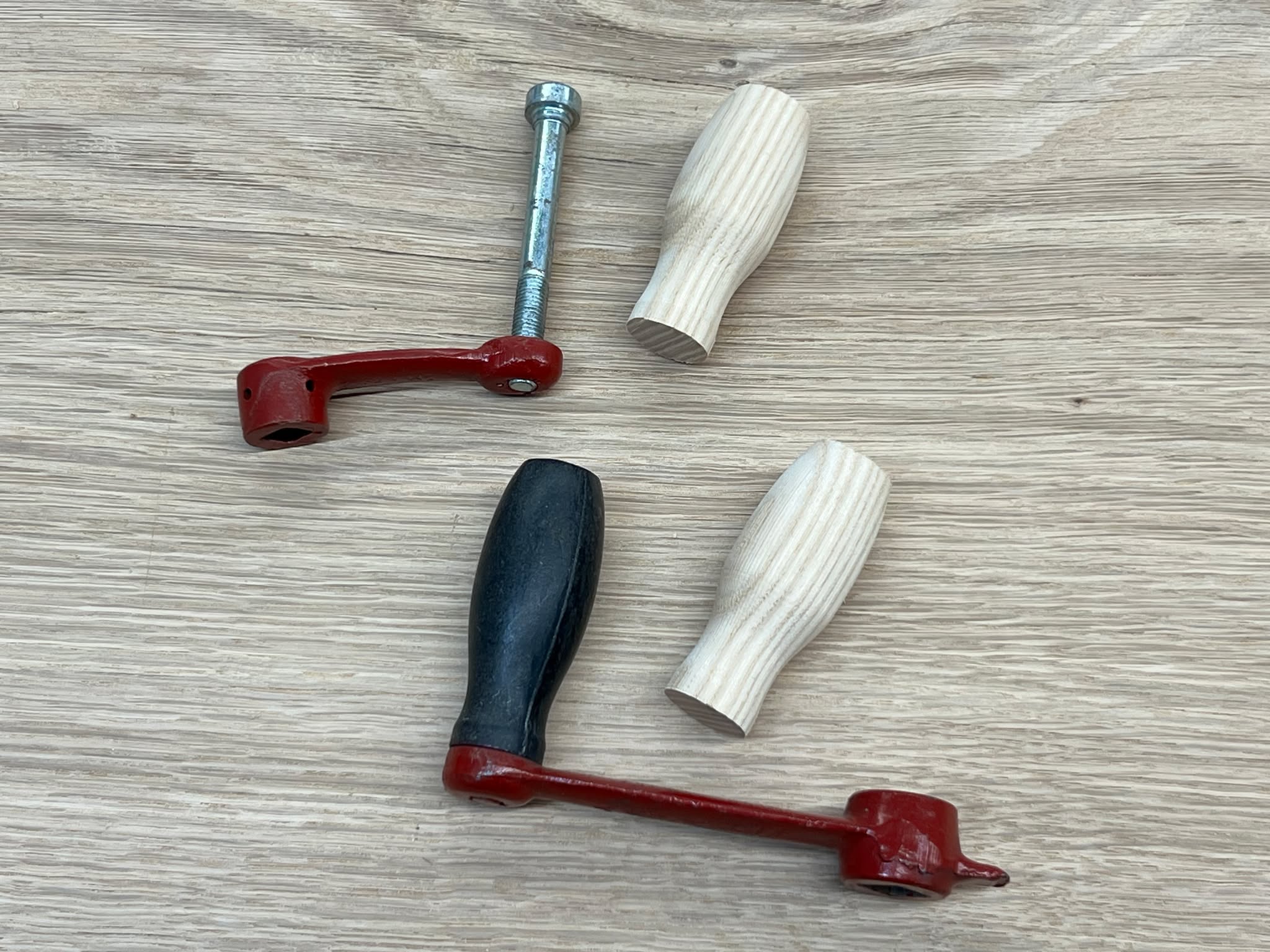
The internal azimuth and elevation gears both featured hand cranks for use in the event of power loss. While the azimuth hand crank was connected to its gear through a separate chain drive, the elevation hand crank was part of the main unit. These cranks were stowed in clips directly over the gunner’s head.
While we have the external hand crank for elevation, we only have one of the two internal cranks at this time. This example was missing its original wooden handle, having a crudely rigged metal bar in its place. So, we used the handle from the external crank as a pattern to turn new handles for the one internal crank we had – which was destined for the elevation gear. We turned two handles just in case the other crank needs a replacement too, whenever it comes along.
Photo taken 24 October 2025.
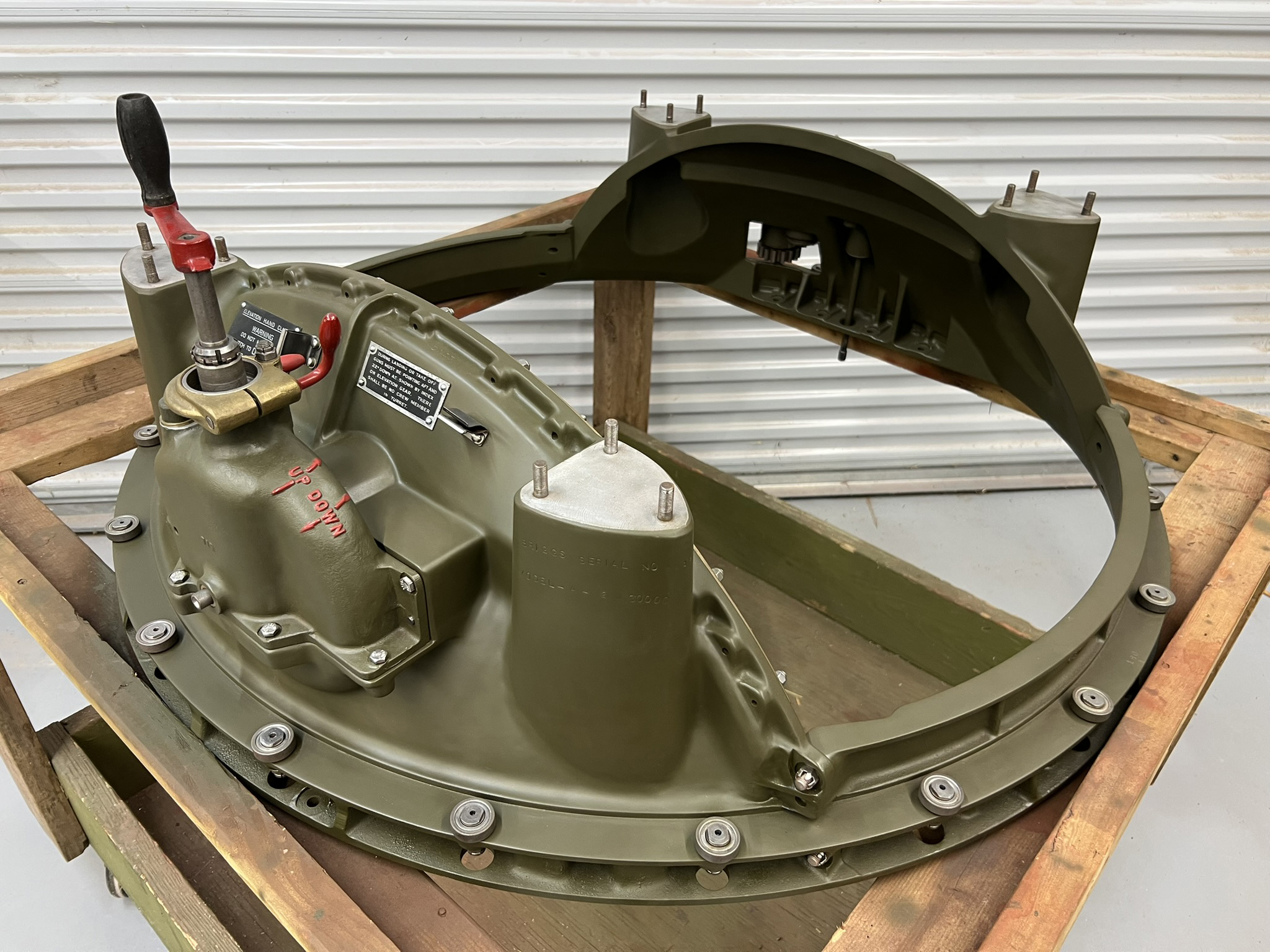
The external elevation hand crank on the outside of the ball turret’s trunnion assembly.
The hand crank here is for manually rotating the ball’s elevation. The brass gear locks and unlocks the hand crank. Barely visible, on the opposite side, is the elevation hand crank’s clutch. Said clutch was present on A-2s but not on A-2As. The elevation clutch was returned on the A-13A.
Photo taken 7 August 2025.
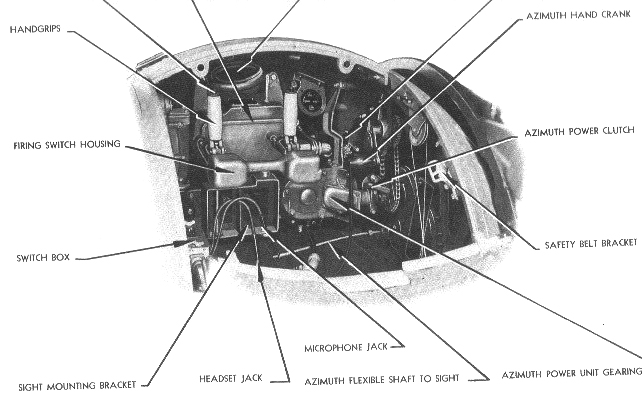
Manual illustration of a Type A-2 Ball Turret’s interior. This turret is equipped with a demand-flow oxygen system, making it identical to the one installed on Lucky Thirteen. At the top, just to the right of the hand control, is the pressure indicator for the turret’s oxygen supply. The A-2A series would replace this with a proper oxygen panel by the gunner’s right side.
To the right of the hand control is the azimuth chain drive for hand cranking the turret from side to side.
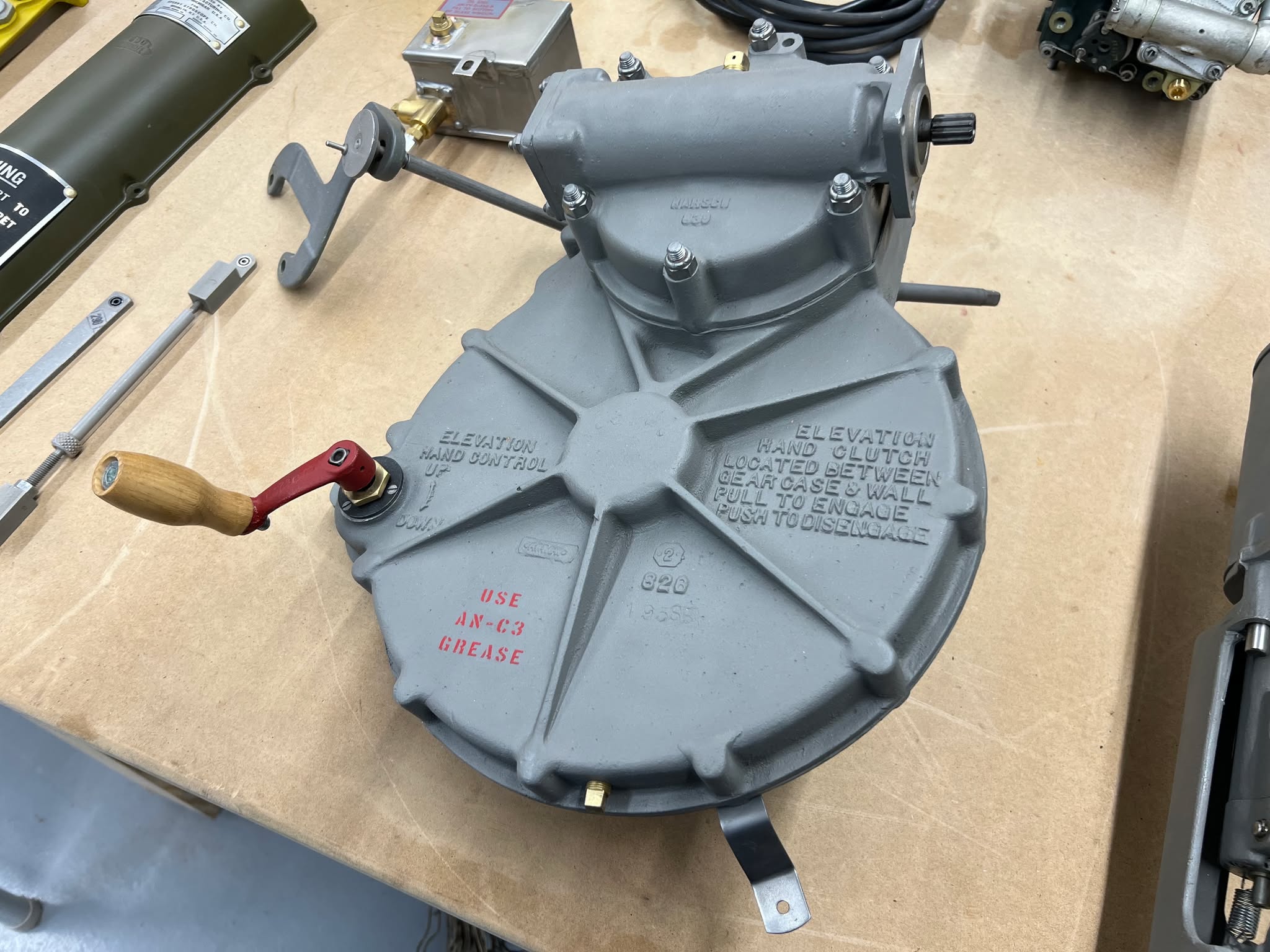
The newly refinished hand crank for the ball turret’s elevation gear.
Photo taken 25 October 2025.
When we took the motor to Fred, we brought not just the ball turret’s motor but the top turret’s motor as well. We had hoped that changing the bearings and brushes would go rather smoothly. The brushes however, turned out to be quite different from one another. The two motors were built under license by different companies and, while they are supposed to be identical, they are not inside.
This resulted in us not being able to have the ball turret’s motor and gears assembled in time for the annual fly-in at Triple Tree Aerodrome (26 September) or the 384th Bomb Group reunion (31 October). This was a disappointment, but we promise to thoroughly photograph and film it running when complete.
After all, it is only a stepping stone to another level – there is still the shell of the ball and the entirety of the top turret.
Just before Triple Tree, we did receive some happy news: Hangar Thirteen now has new profile artwork for Lucky Thirteen!
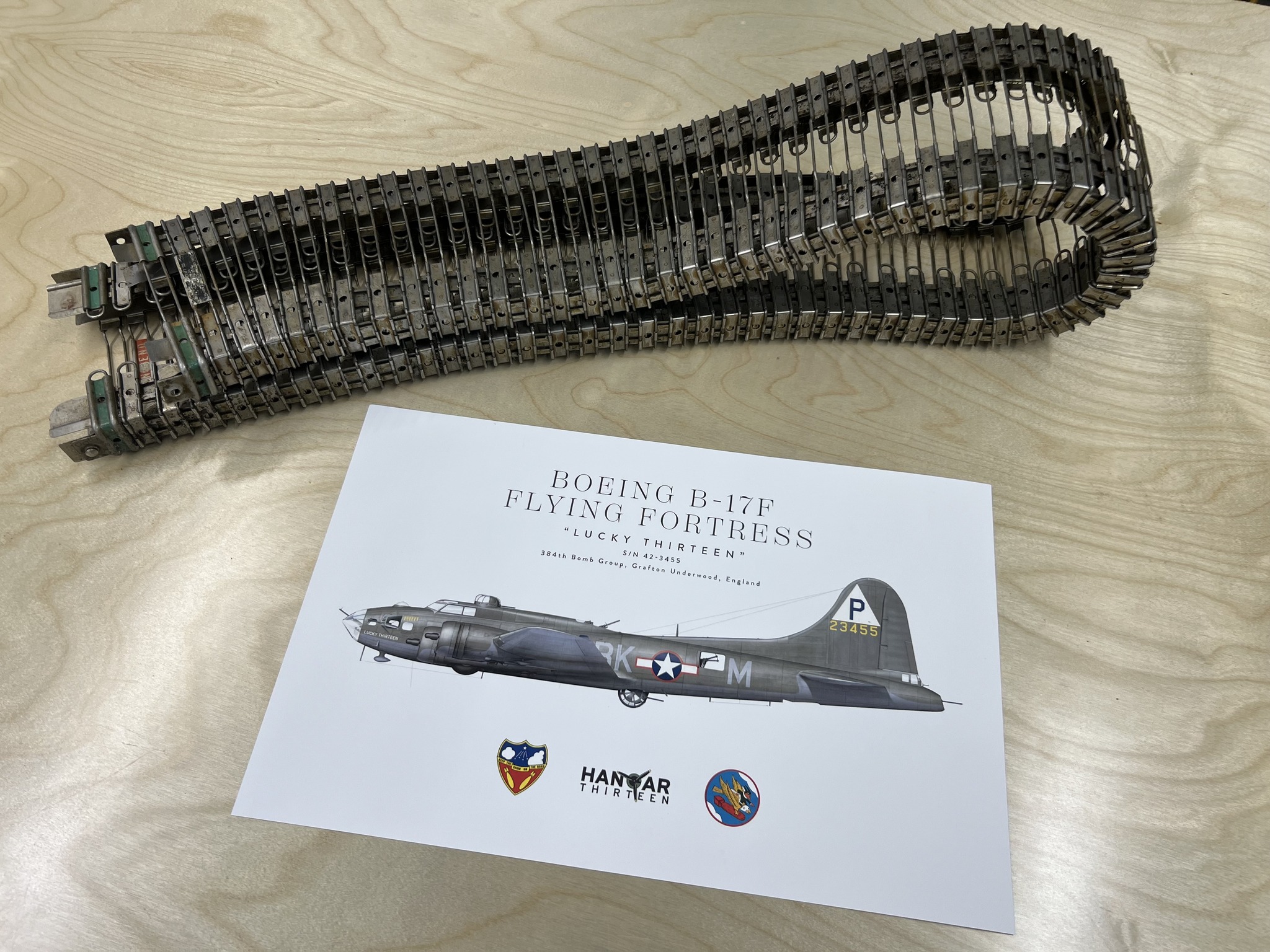
Having worked with her recently on Liberator II Maid of Athens at Project Warbird, we were very impressed with the professionalism of artist Juanita Franzi. So, we asked if she would be willing to create a new profile of Lucky Thirteen.
She did an incredible job, taking critiques and corrections in stride, and researching in depth the history of Lucky Thirteen. In fact, Juanita even managed to find a few things we had missed. For example, we learned that we must replace our AN-104 VHF antenna with an AN-74. Simple mistake but it happens, and it is wonderful to have a trained eye looking out for us.
Juanita has given us permission to sell prints of her artwork and they are now available on our Store page!
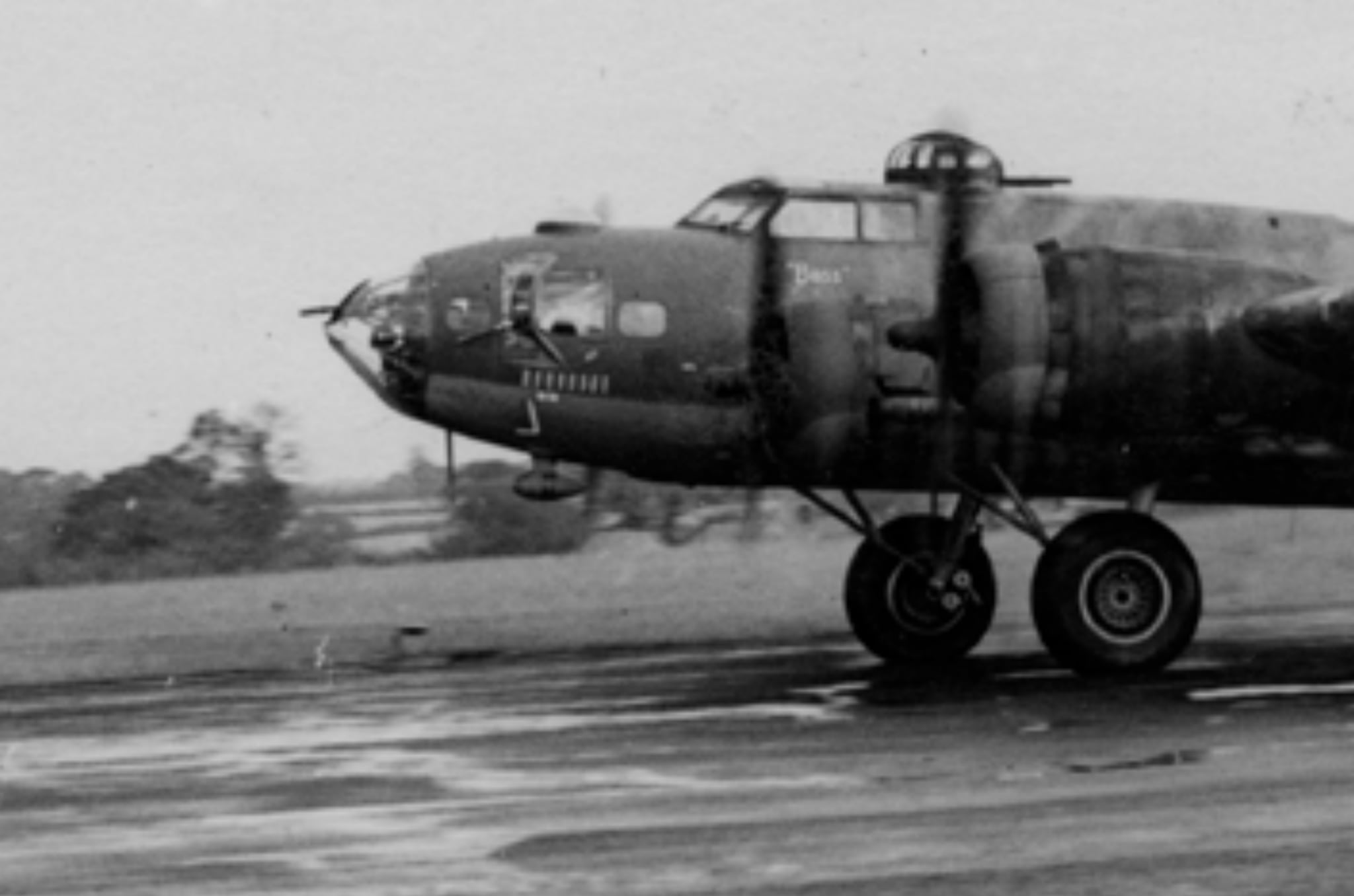
Credit is also due to artist Marc Poole, who was invaluable in ensuring the accuracy of the aircraft’s markings. Marc – who is himself, incredibly talented – is in fact, a member of the 384BG, and as such, brings an artist’s eye toward details others might otherwise miss. This includes such details as where 384BG aircraft squadron codes were typically applied during the weeks that Lucky Thirteen arrived in theater, and the differences in camoflage and national insignia between Boeing, Douglas, and Vega produced aircraft.
But there was one detail that caught his attention that was entirely new to me: an additional wire antenna under the nose of late-B-17Fs.
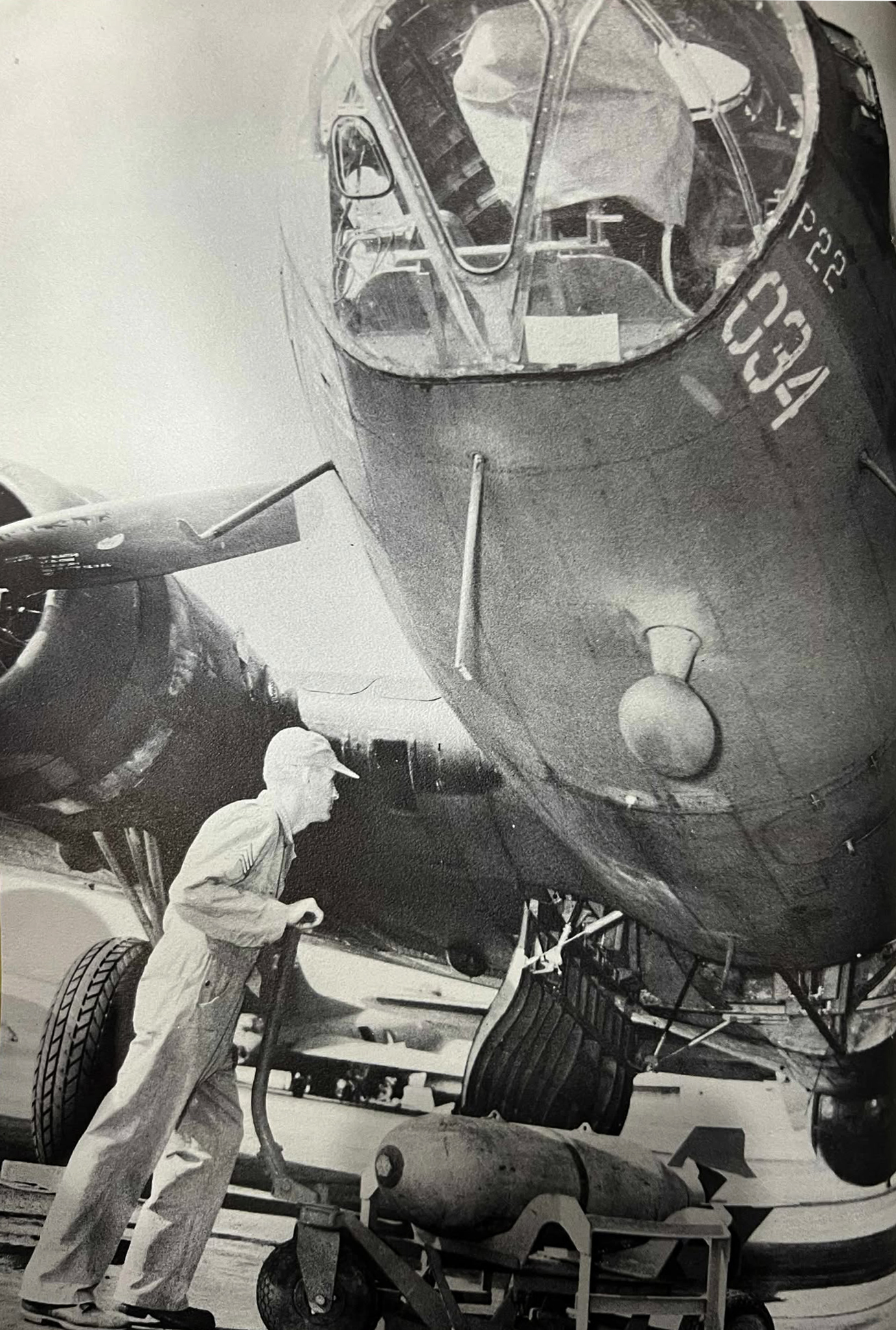
Based on the serial number range where we found these antennas, it is almost certain that Lucky Thirteen had one too. The aircraft pictured above, for example, is a late Douglas-built F, just like Lucky Thirteen.
So what was it for?
Well, we have a theory.
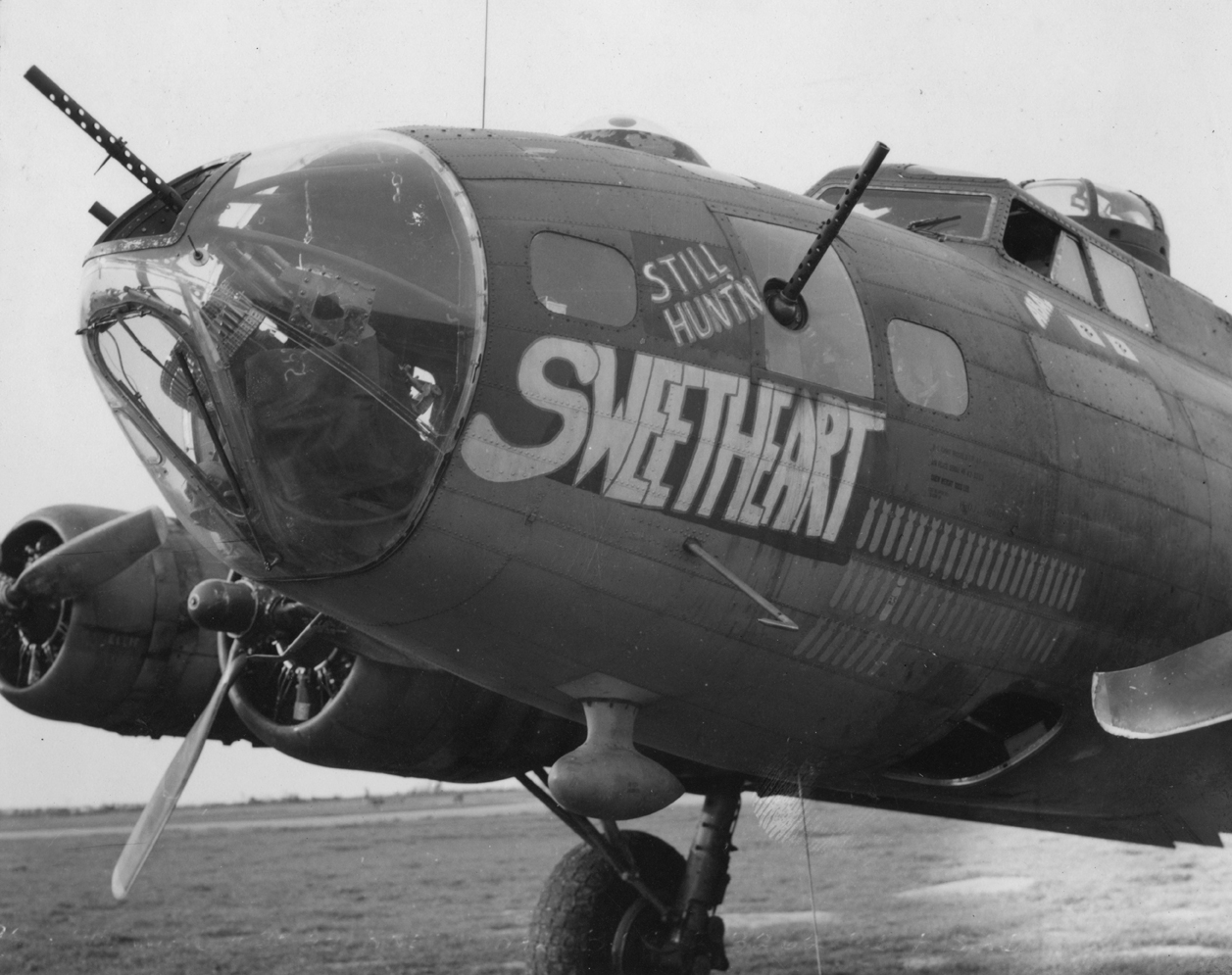
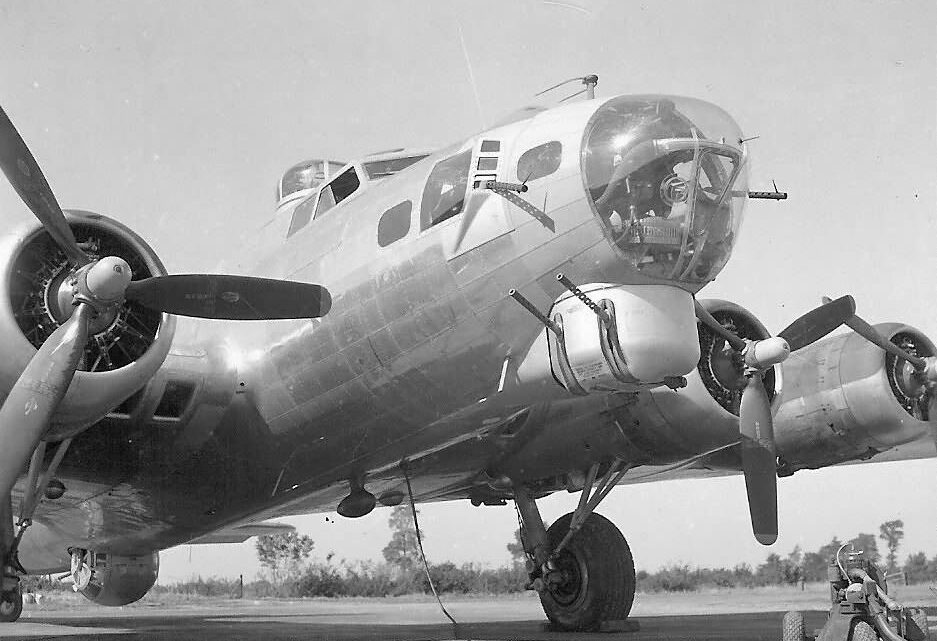
The radio compass system on the B-17 changed in block G-70-BO from the SCR-269 to the ARN-7 system. That’s roughly May 1944. The systems were almost identical, the biggest difference being the addition of an extra frequency band. In fact, it is not uncommon for restorations to install components from the wrong system, or even mix between the two!
Externally, there was another difference: the antennas. Both used a LP-21 football to house the antenna loop however, the two used a different secondary antenna for the football to reference from. On older B-17s (such as the first picture above) the antenna was a long whip, while on later ones (such as the second picture above), it was a wire pulled between two posts.
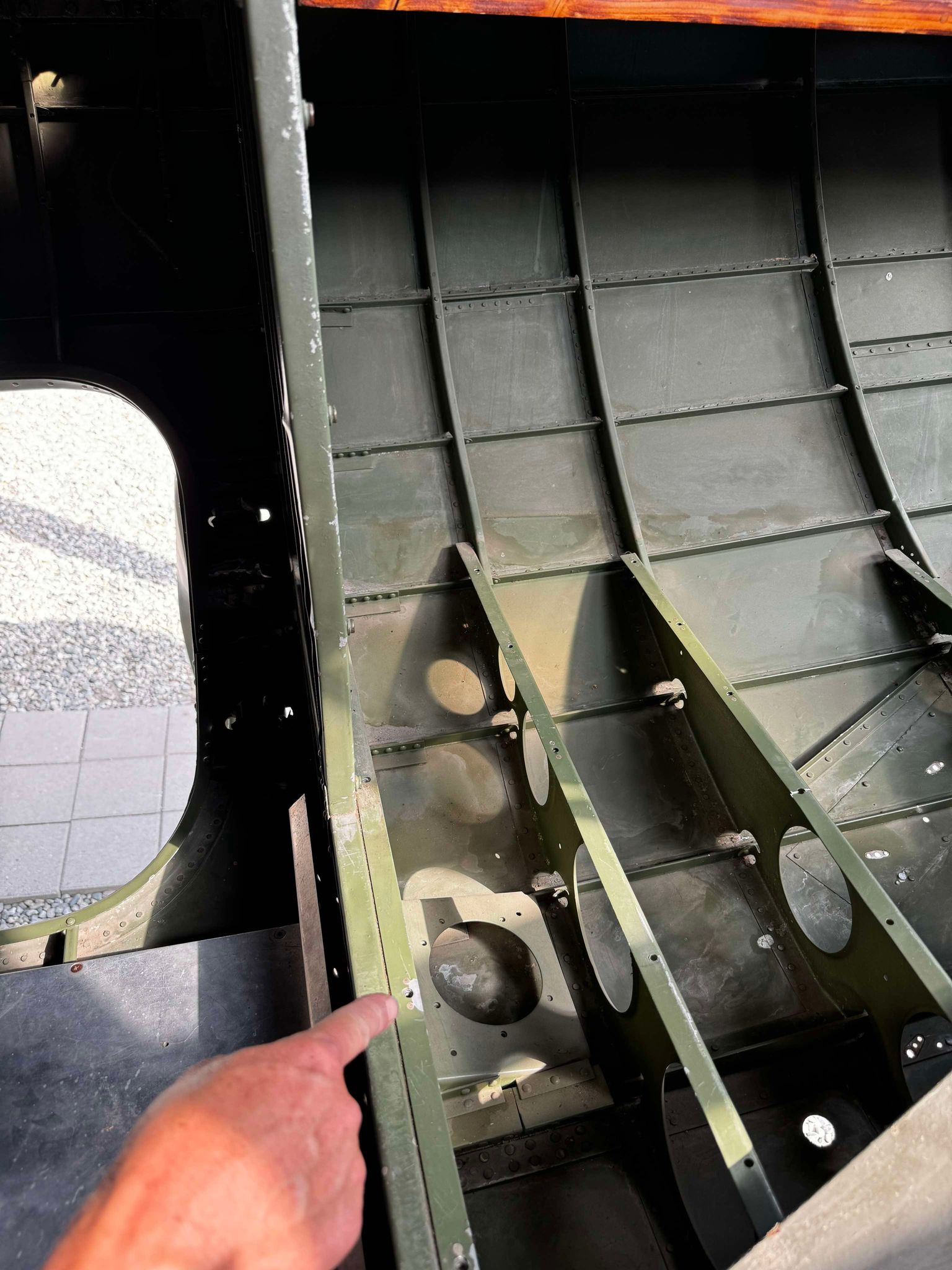
Still, one must be careful to not assume that changes strictly followed blueprint serials. Not only were there modification centers to consider, but field modifications as well.
This photo for example, sent to us from our friend Steve Salinas of Planes of Fame in Chino, California, shows that their B-17G came with a whip mount installed, even though she never actually carried a whip antenna. In fact, there is not even a hole in the skin for a whip to pass through!
It seems to us the explanation is this –
Surviving examples of the SCR-269’s whip antenna are today quite rare. It was a remarkable achievement that the National Museum of the US Air Force was able to locate one for Memphis Belle. We learned that said antenna was found broken upon acquisition and had to be carefully repaired.
Considering the antenna was nearly five feet long, it seems likely that said antenna was prone to accidents. In fact, the aircraft’s documentation even calls for a spare to be clipped under the cockpit floor. It is probable that the pulled wire antenna, common to the later ARN-7, was field tested on the SCR-269 as a solution to the brittle whip antenna.
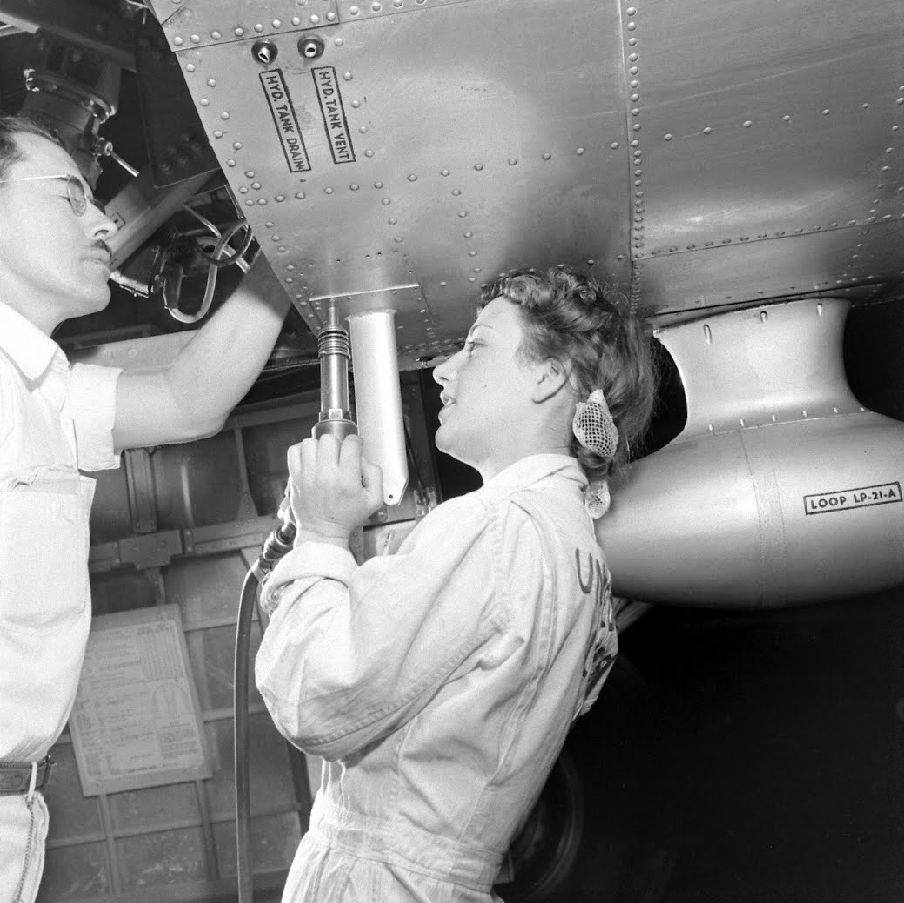
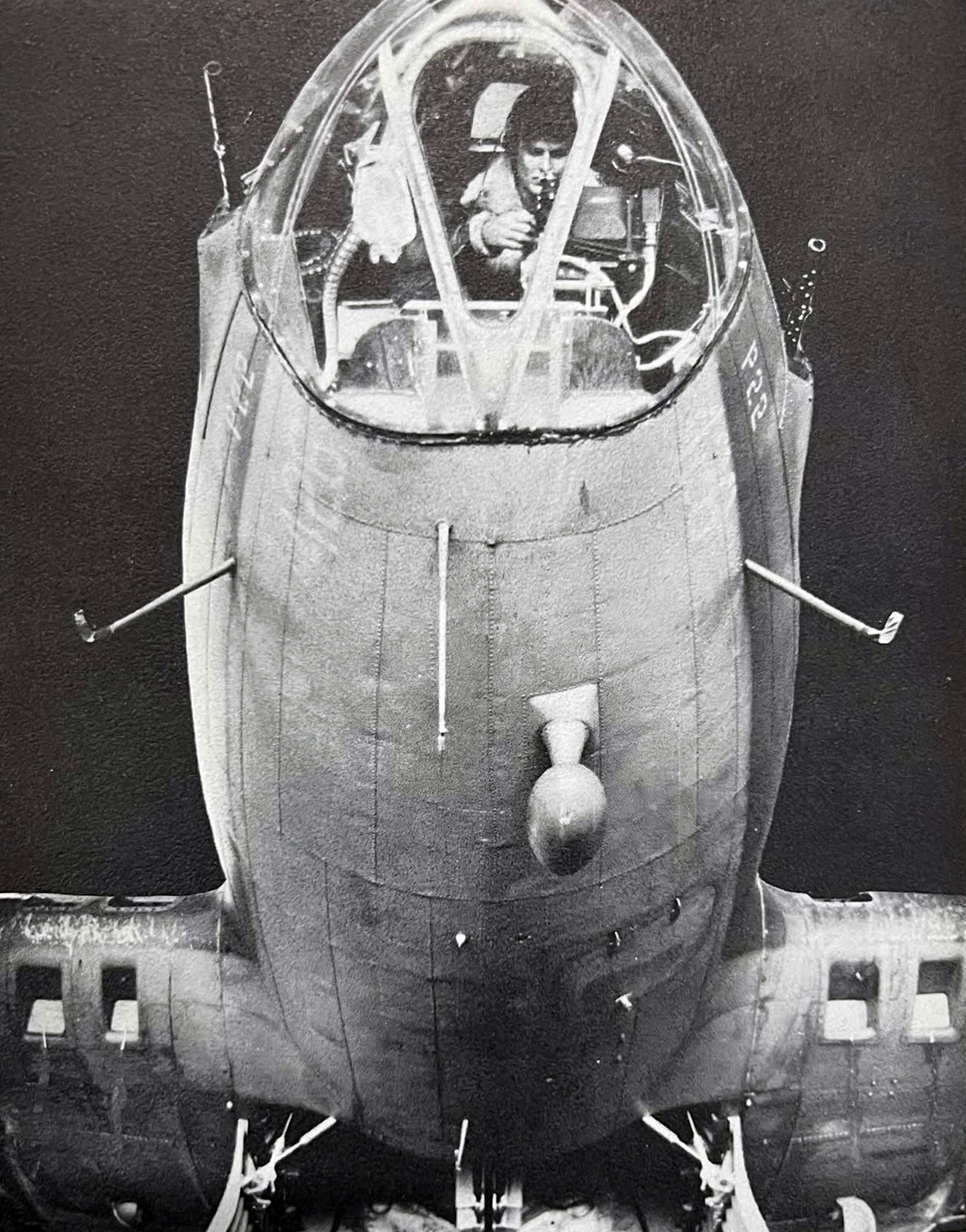
This photo, taken at the United Airlines Modification Center in Cheyenne, Wyoming shows employees installing an ARN-7 antenna aboard a B-17G.
The rear post shown here appears to be in the same location as the rear post in the B-17F photos shown earlier. While the addition of the chin turret alters the location of the forward post, it is nevertheless suggestive that they served the same purpose.
But of course, this is just a theory. The installation of the ARN-7 radio compass on the B-17G saw the relocation of the system’s main unit, moving it from the navigator’s desk to the crawlway under the cockpit floor. We have yet to see any evidence that the BC-433 unit was ever moved on the B-17F. Likewise, some photos, though grainy, appear to show both the pulled line antenna and the whip in place at the same time.
One way or another though, we are now aware of this antenna’s existence, thanks to Marc. And it too is included in Juanita’s artwork.
Special thanks to these fine artists!
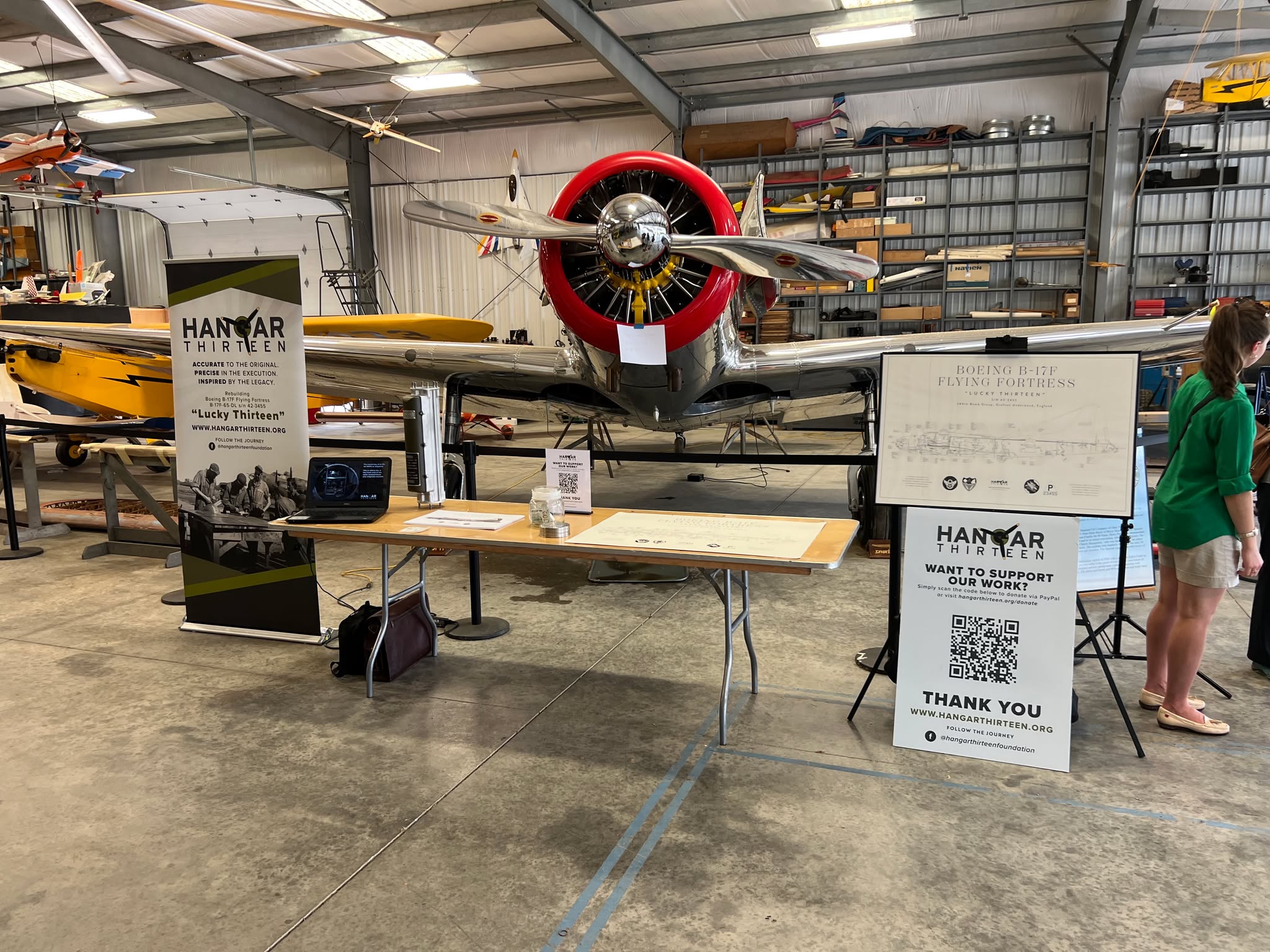
The Hangar Thirteen display at Triple Tree. The aircraft behind the display is an immaculate 1937 Spartan Executive.
By accident, my slot at 4:00 was double-booked. Rather than come back Saturday or not speak at all, I offered to talk at 5:00. There was a concern that nobody would come but, in actuality, there ended up being a fairly good turn-out. Much to my surprise, it was mainly people who had not heard me speak before. So, in addition to my presentation, I had to go overtime just to fill in older information. Did not raise any donations, but a few people did offer to volunteer, one of whom followed up with me almost immediately afterward. The weather was a tad dreary but there were still a great many people who came out to celebrate their love of vintage aviation – always a treat to see.
Photo taken 26 September 2025.
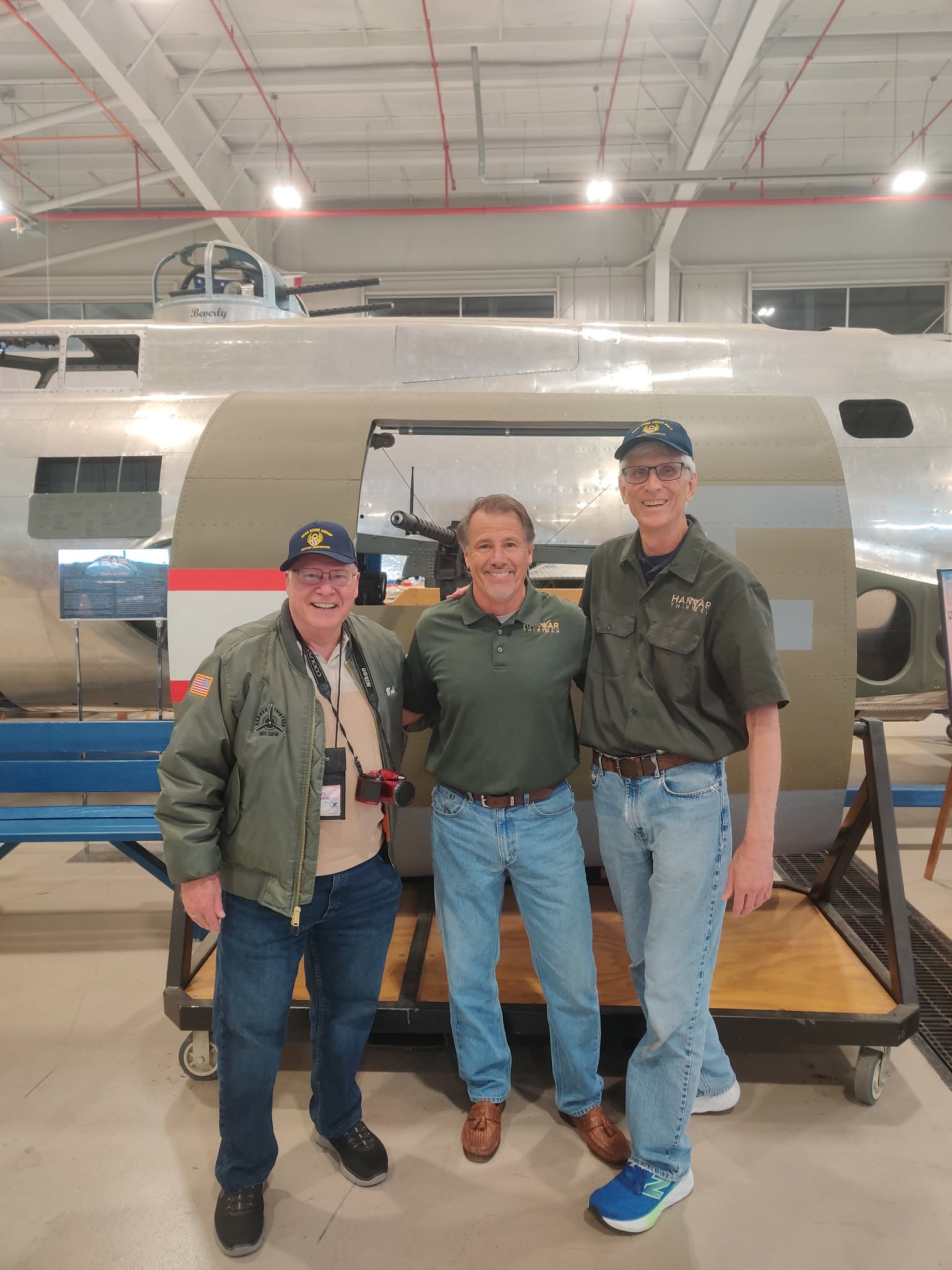
An incredible moment –
Hangar Thirteen volunteers Bob Hachmann, Ray Moore, and Chris Wilkinson meet face-to-face for the first time at the 384th Bomb Group reunion in Dayton, Ohio.
Because we practice long-distance volunteering, many of our team members have never actually met in person. It is a unique setup, but it gives us access to talented people who may not live near the Carolinas.
These guys are the absolute best and it is amazing to see them together. Even with the government shutdown keeping the National Museum of the US Air Force closed, I am glad to hear that this reunion was indeed something special.
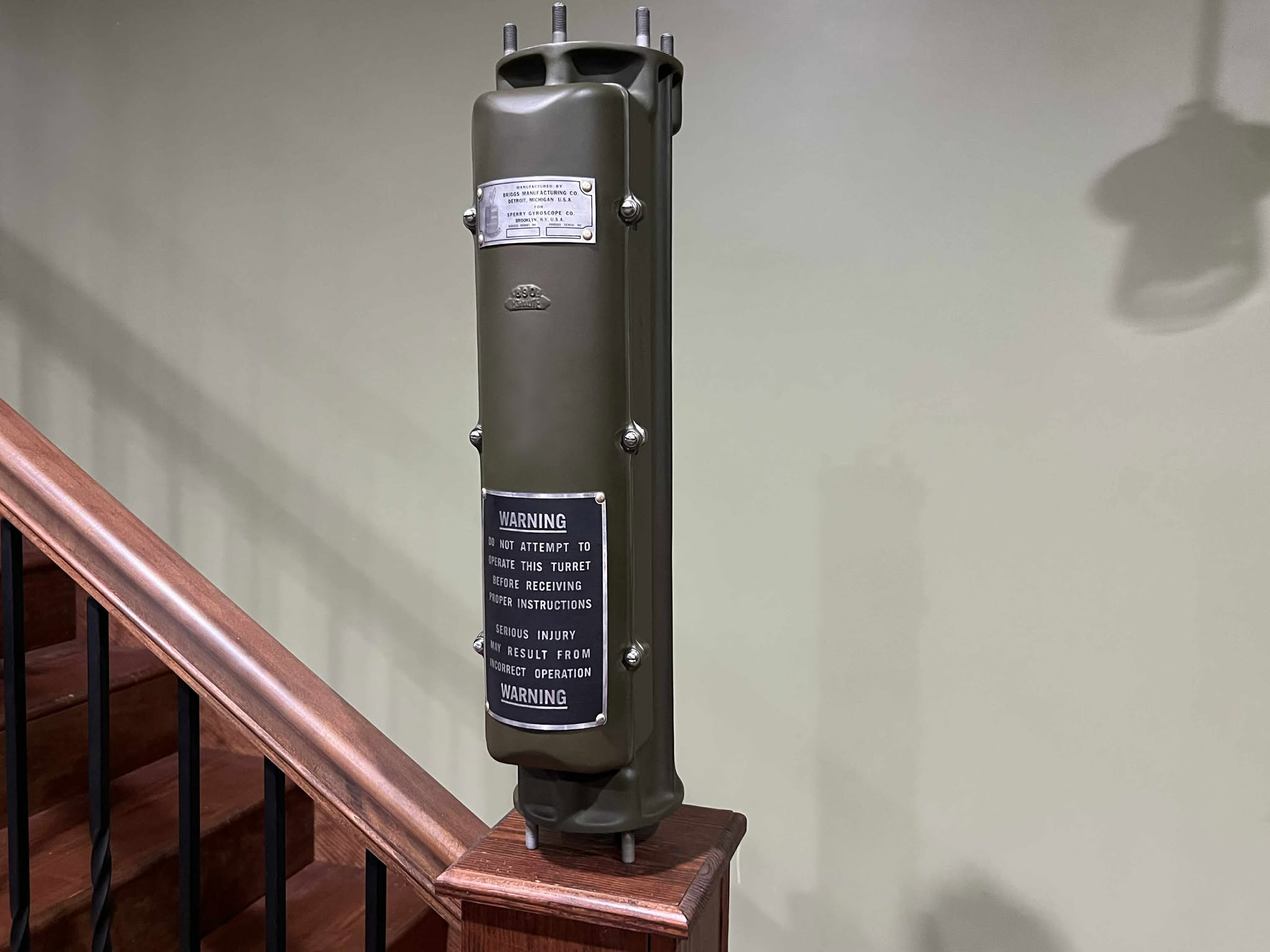
Meanwhile, I have been working on the ball turret’s brush housing.
Restoration of this piece is now complete.
Photo taken 29 October 2025.
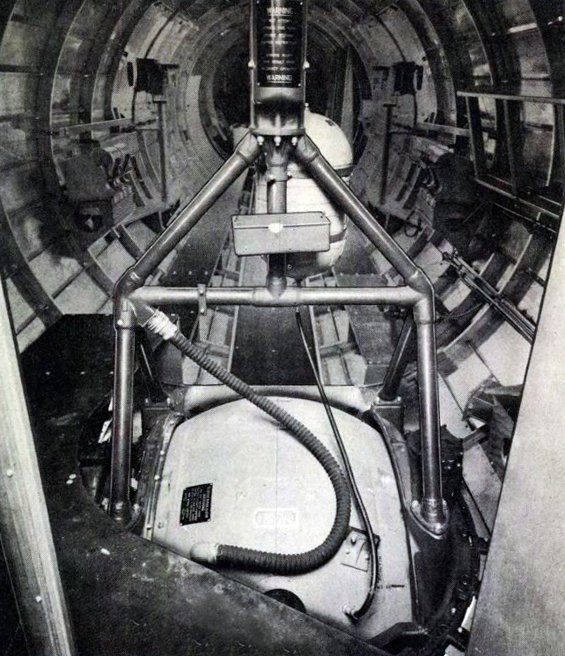
The brush housing was where electrical power entered the turret from the aircraft.
Mounting to the top of the turret’s hanger frame, wires fed down from the brushes, to the connector plug (on the left), then down through a conduit into the ball itself.
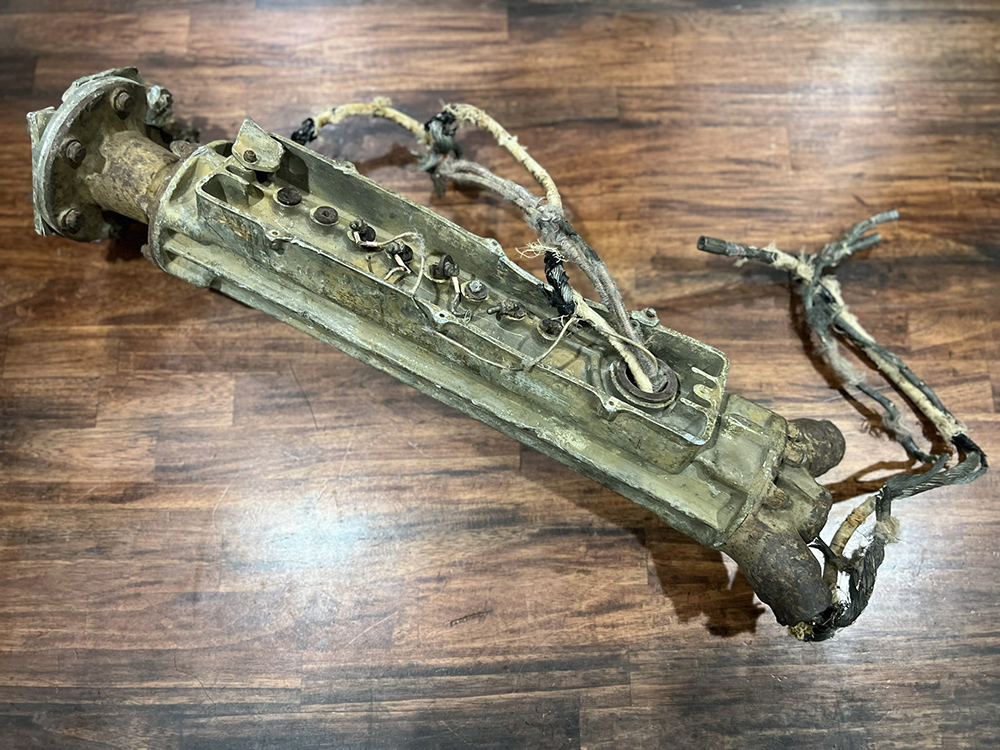
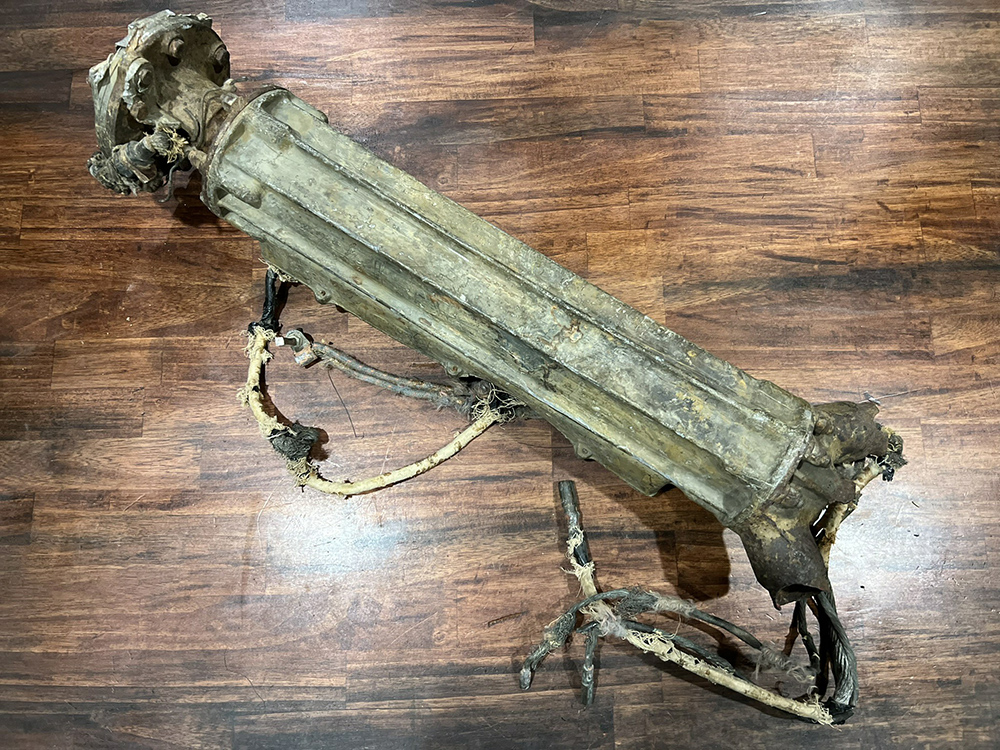
Our brush assembly comes from the UK, originating from a midair collision which occurred over RAF Great Ashfield on 26 September 1943 – just 20 days after Lucky Thirteen was shot down.
Dorsal Queen (42-30264) and Raunchy Wolf (42-3290) of the 385BG were in a holding pattern over the field, having returned from a strike, when Raunchy Wolf collided with Dorsal Queen. The official report speculates that a frosted windshield obscured the pilots’ vision. Raunchy Wolf lost her left wing and Dorsal Queen her tail, both spiralling out of control. The only survivor was SSGT John J. Adams, tail gunner on Dorsal Queen.
We are not aware as to which of the two bombers this piece came from.
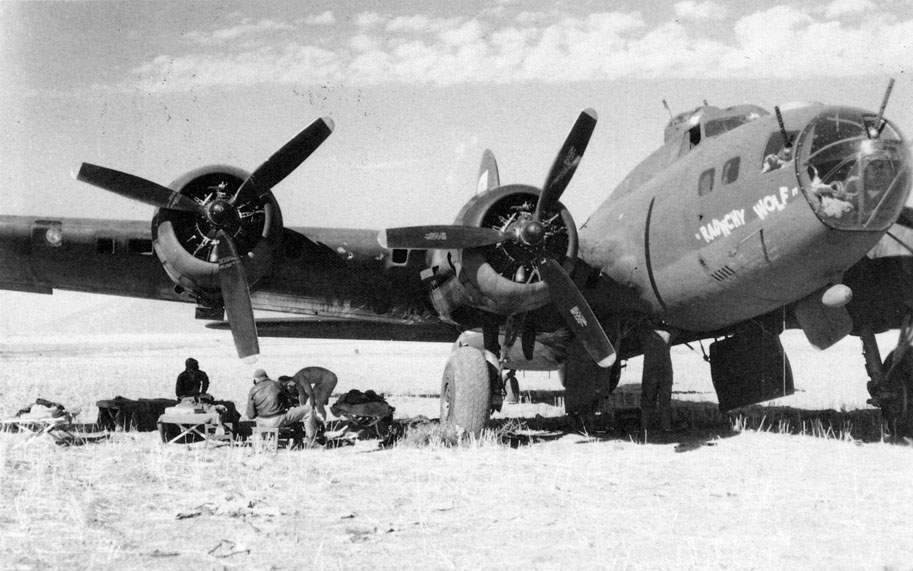
The crew of Raunchy Wolf seek shade after the infamous Schweinfurt-Regensburg strike of 17 August 1943. Raunchy Wolf was one of 146 aircraft which bombed the Messerschmitt factories of Regensburg and flew on to occupied-Algeria for a brief stay with the 12AF.
Lucky Thirteen was also a veteran of this strike, being one of the 230 bombers which attacked the ball bearing plants of Schweinfurt.
Note the Emerson-built top turret and high camouflage demarcation line. Like Lucky Thirteen, Raunchy Wolf was a Douglas-built B-17F.
The crew of Raunchy Wolf:
1LT John T. Keeley, Jr. (P)
1LT Harry R. Coomes (CP)
1LT Theodore R. “Ted” Rouse (B)
1LT Arthur R. Moore (Nav)
TSGT Ledger D. Pontius, Jr. (Eng)
TSGT Samuel B. Rochester (RO)
SSGT Robert L. Banner (BT)
SSGT Raymond H. Shepherd (LW)
SSGT Douglas Binford (RW)
SSGT Edward Osbron (TG)
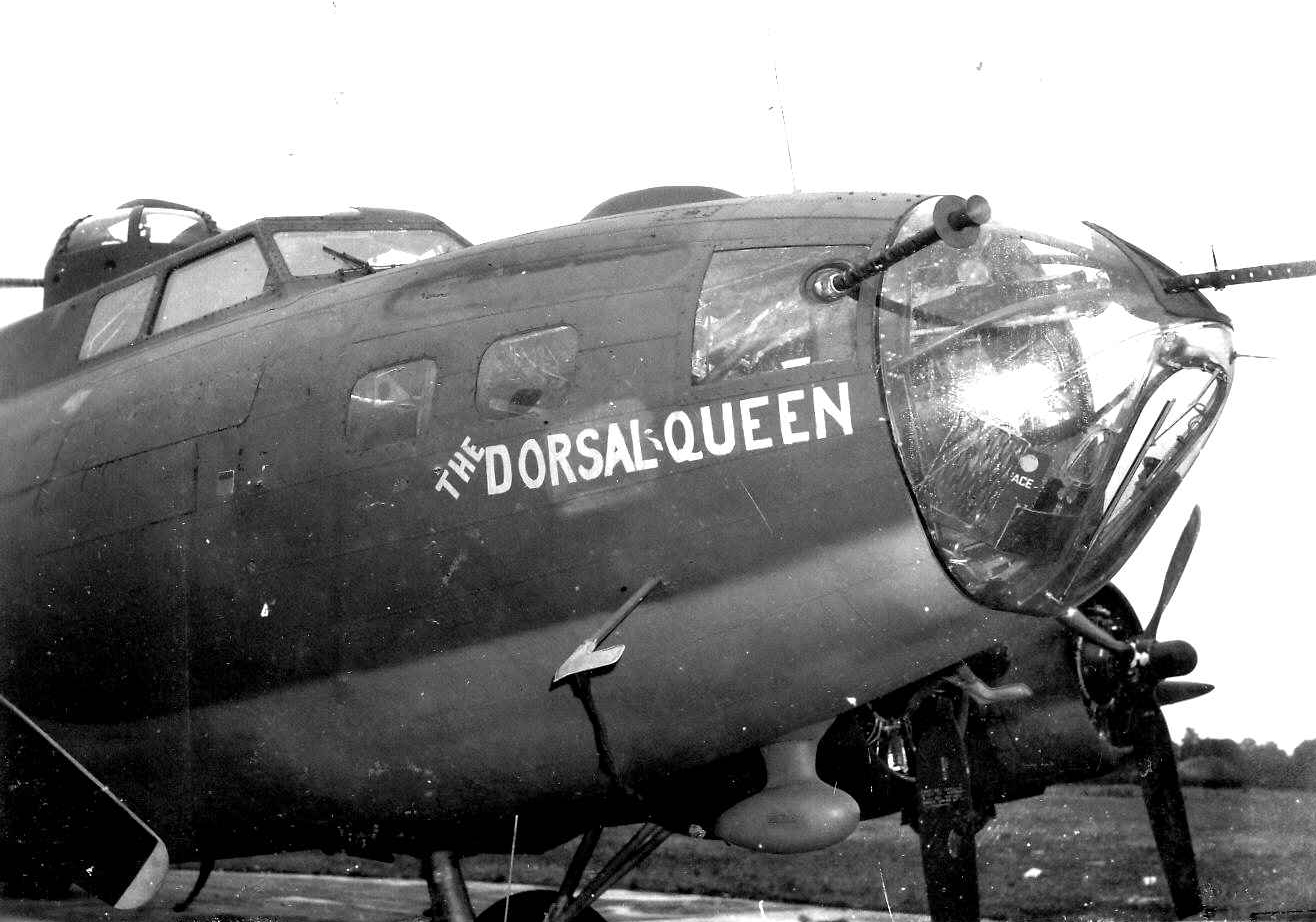
Dorsal Queen, named in reference to the Boeing B-17’s large tail.
Note the unusual flash suppressors on the cheek gun – a unique characteristic of many 385BG B-17Fs.
The crew of Dorsal Queen:
1LT Paul M. Yannello (P)
2LT Frederick E. Wilson, Jr. (CP)
2LT Charles A. Wardle (B)
2LT Guilford N. Black (Nav)
TSGT Walter F. McMillan (Eng)
TSGT Stanley J. Gula (RO)
SSGT Lawrence C. “Pi-Yi” Kern (BT)
SSGT Edgar L. Seitz (LW)
SSGT Marion E. McGinnis (RW)
SSGT John J. Adams (TG)
1LT Sidney S. White (Obs)

The brush housing is dissembled and stripped. Damage from the midair collision required extensive work to the casting.
A replacement faceplate (on the left) was invaluable in ensuring proper alignment to the repair.
Photo taken 17 July 2023.
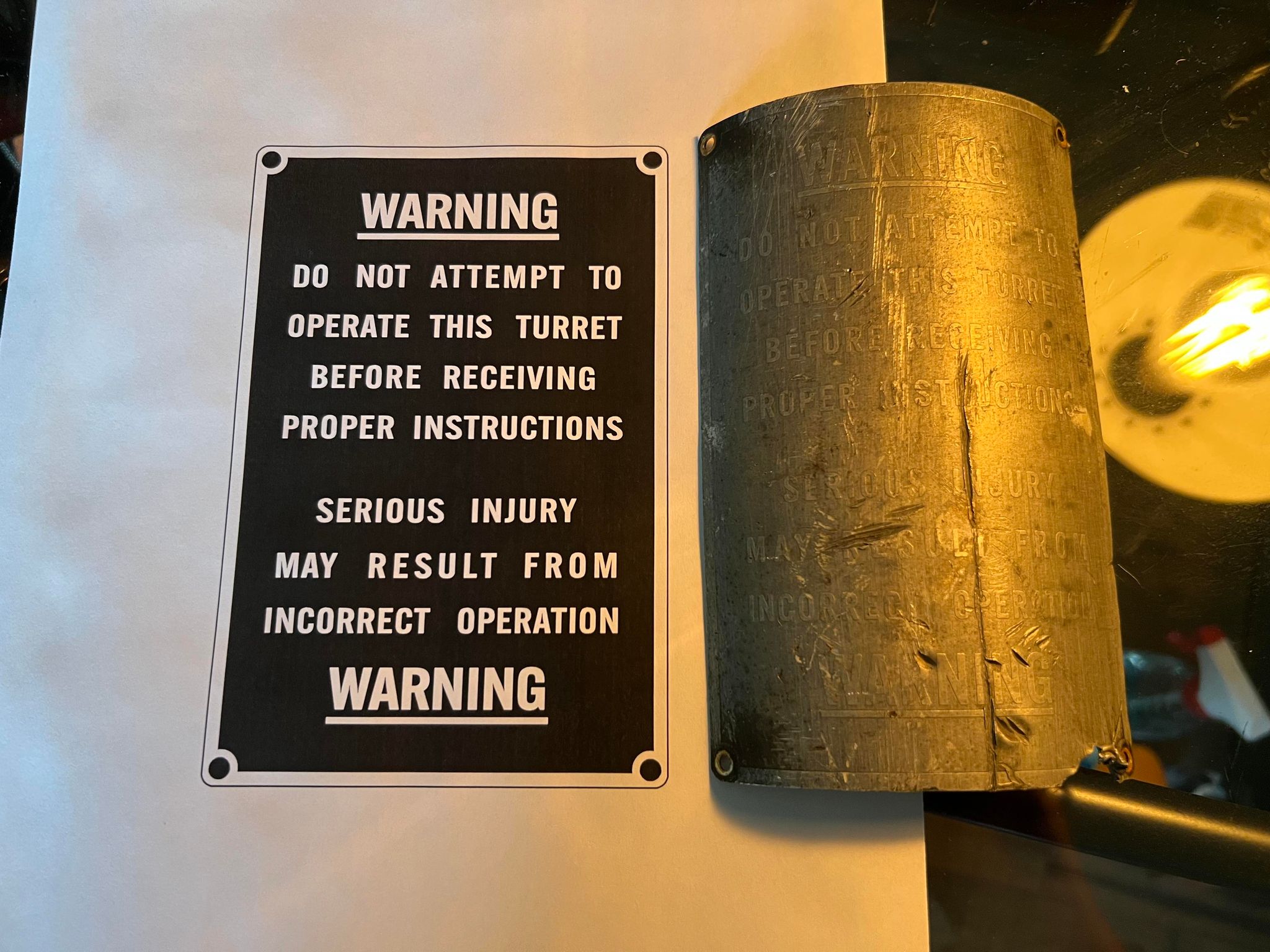
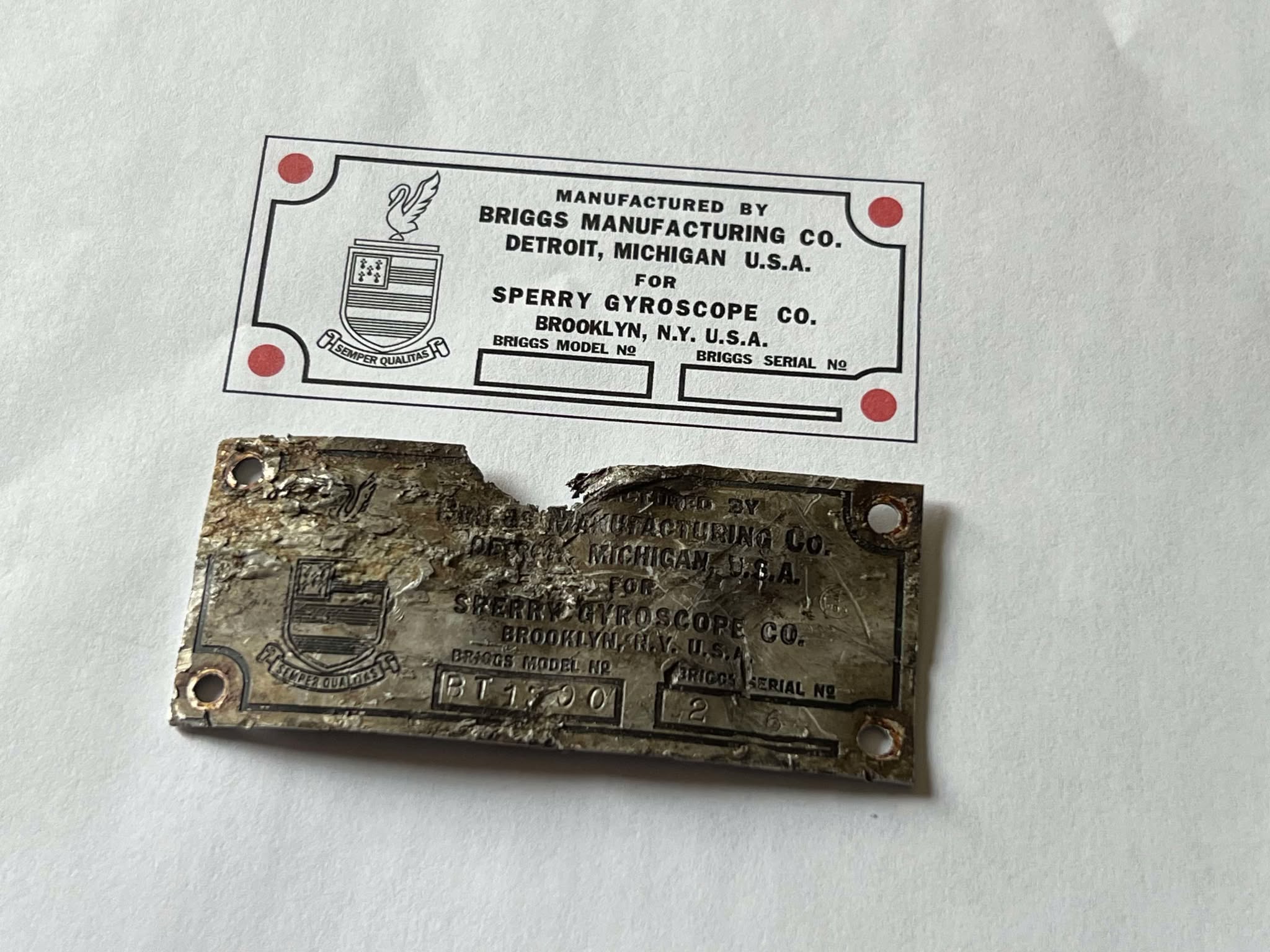
Great effort was also made in recreating the almost unrecognisable original dataplates.
Upper photo taken 16 July 2023 and lower photo 27 April 2025.
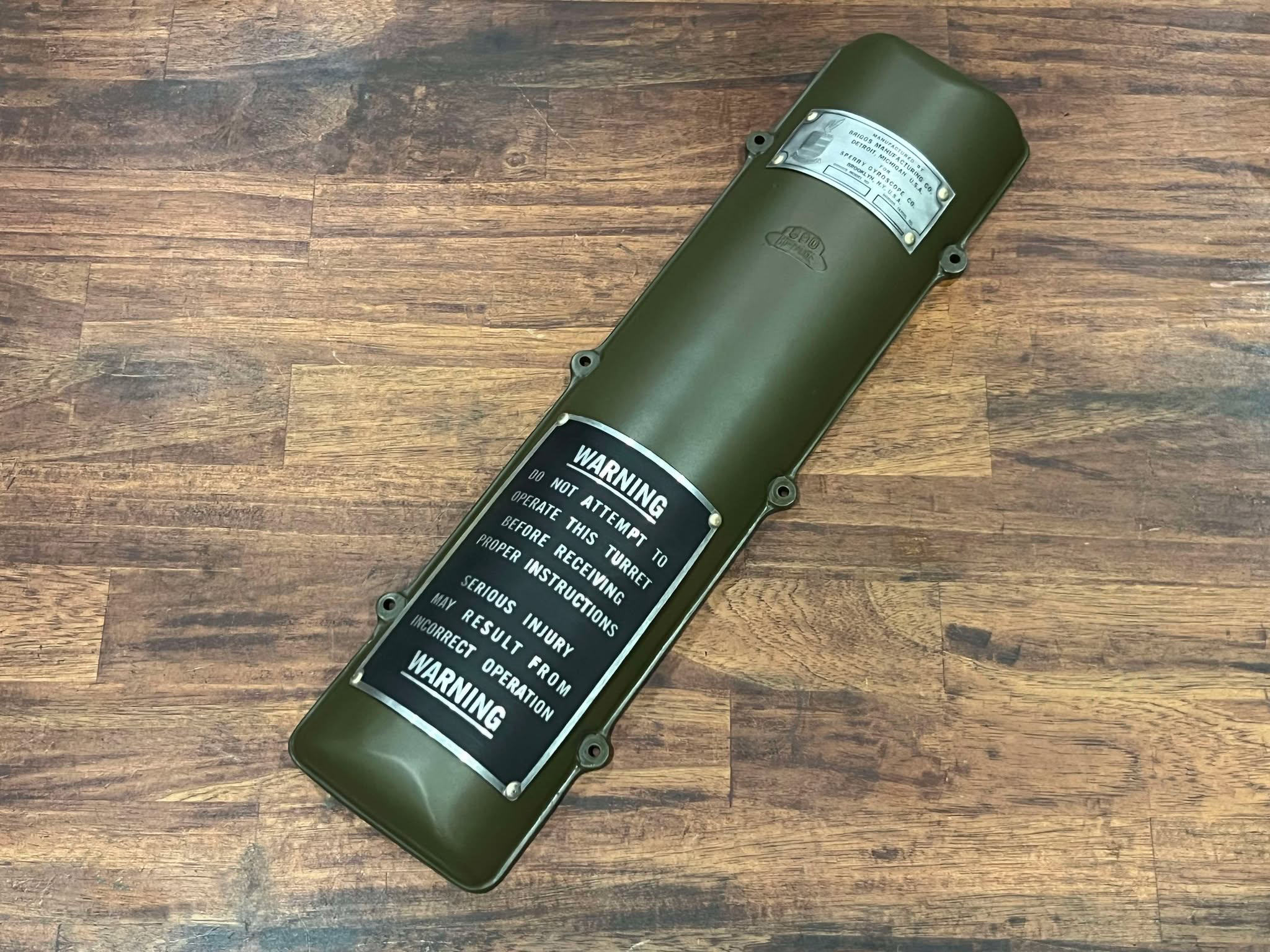
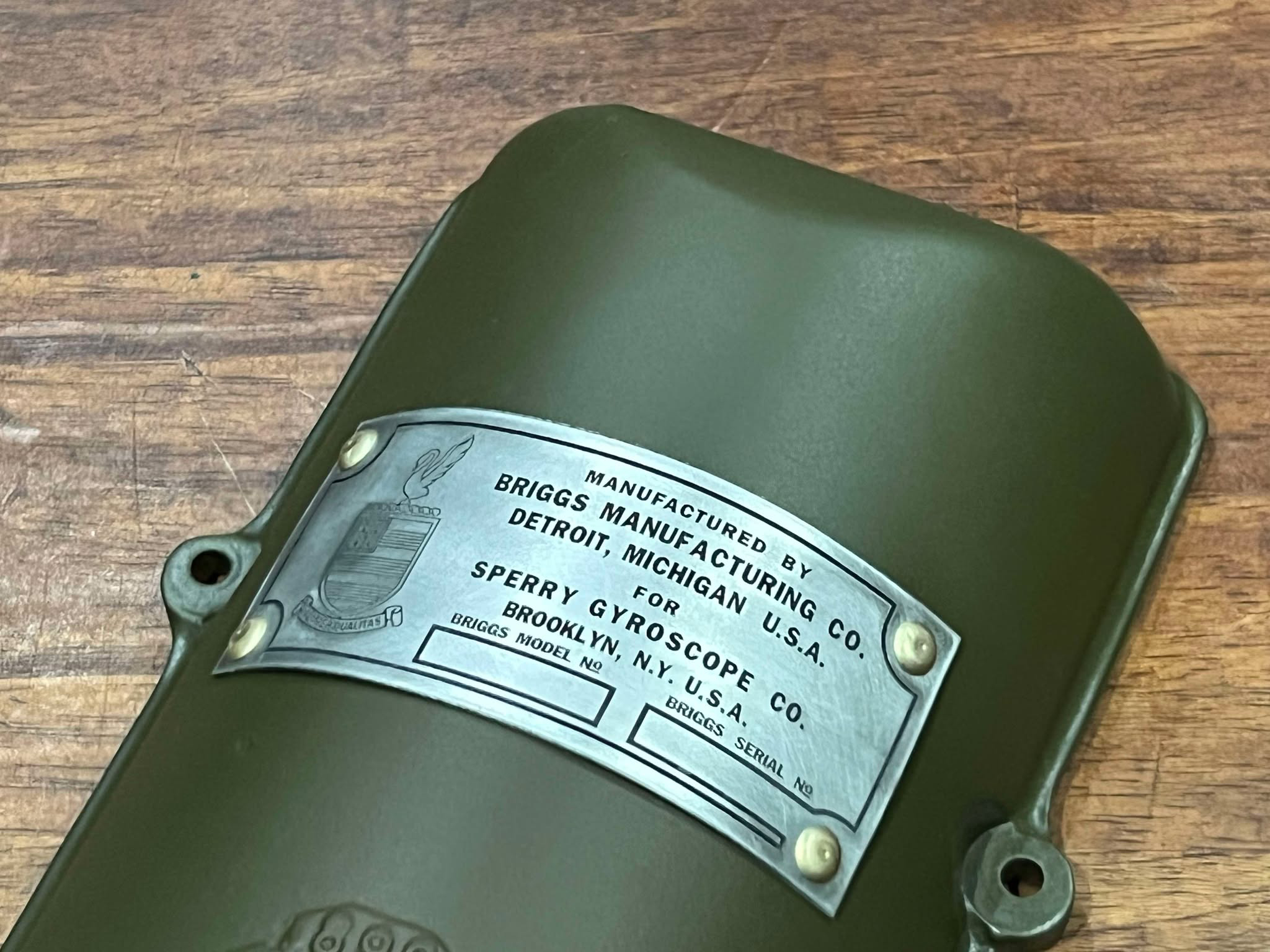
The restored brush assembly cover plate for Lucky Thirteen‘s ball turret.
The dataplate for the ball turret, in its entirety, is located at the top.
Photos taken 6 June 2025.

Hangar Thirteen’s ball turret brush assembly (right) with the one in Fred’s collection.
Fred’s brush assembly comes from an Emerson-built turret while our example comes from a Briggs-built turret. Note the difference in bronze green versus olive drab paint.
Photo taken 11 July 2023.
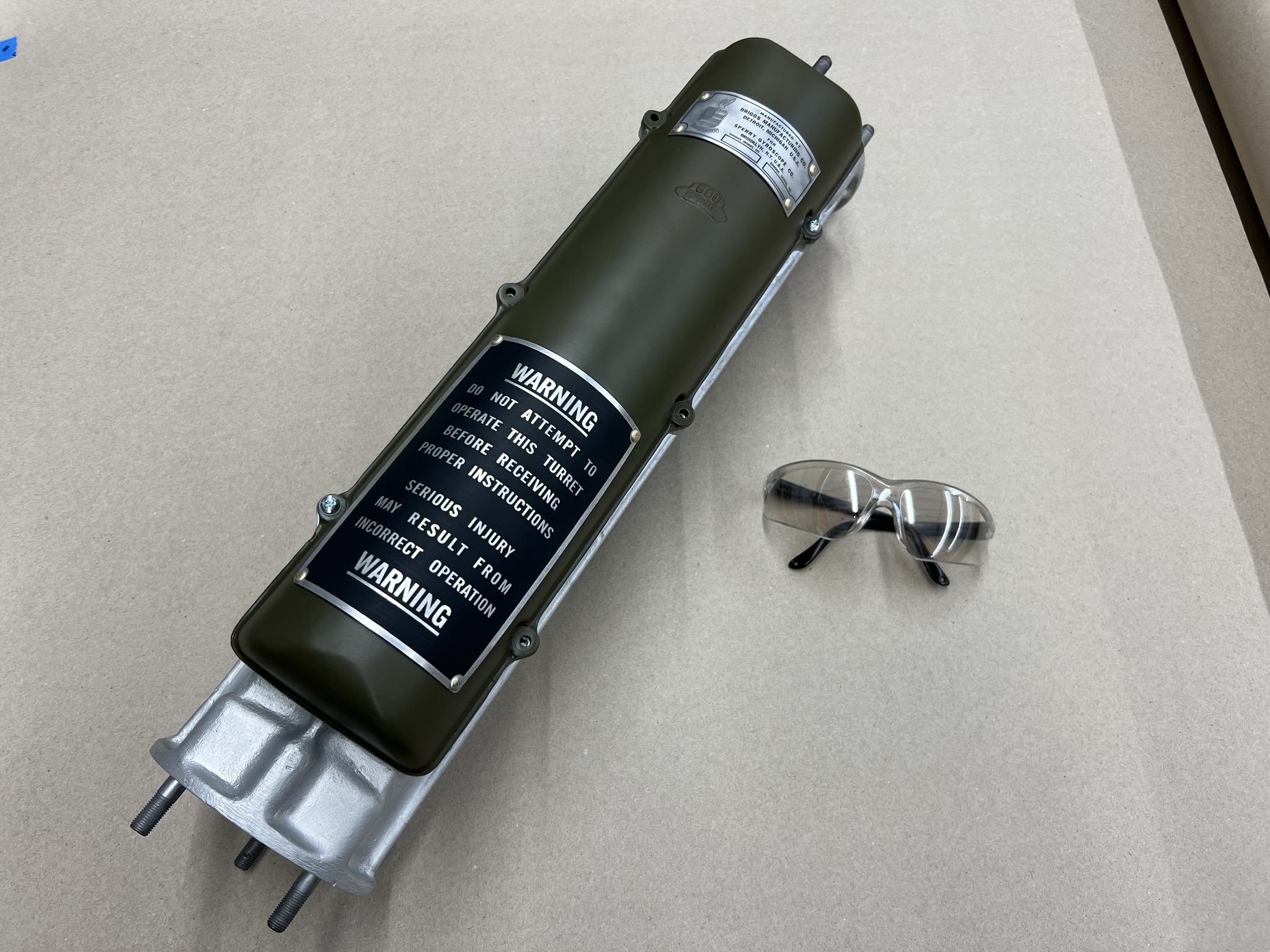
The trip to Triple Tree allowed me to pick up the repaired ball turret brush housing from Ray and take it back to my workshop.
Here you can see the casting is fully repaired and ready for refinishing.
Photo taken 27 September 2025.
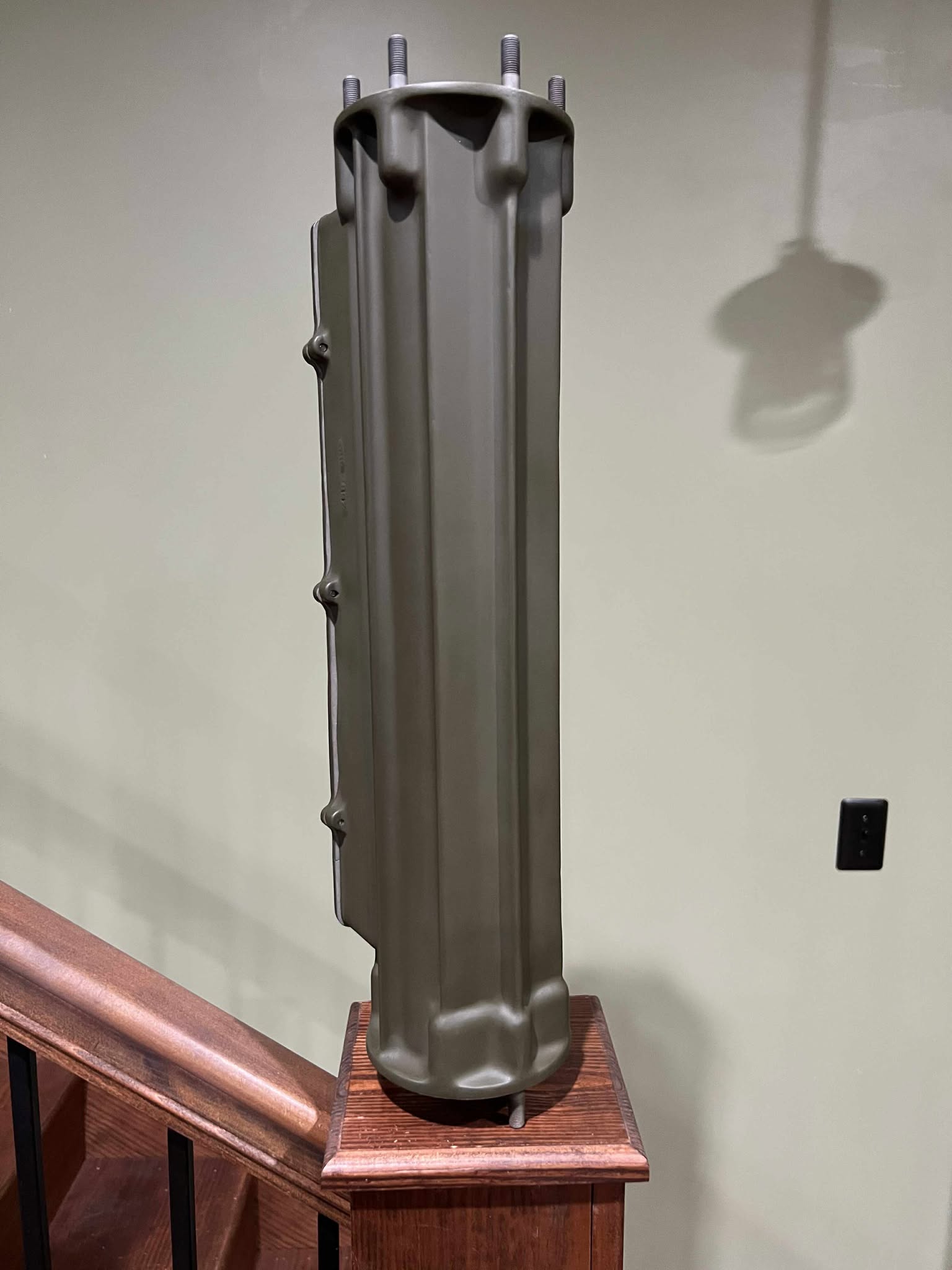
The back of the newly restored brush housing.
Photo taken 29 October 2025.
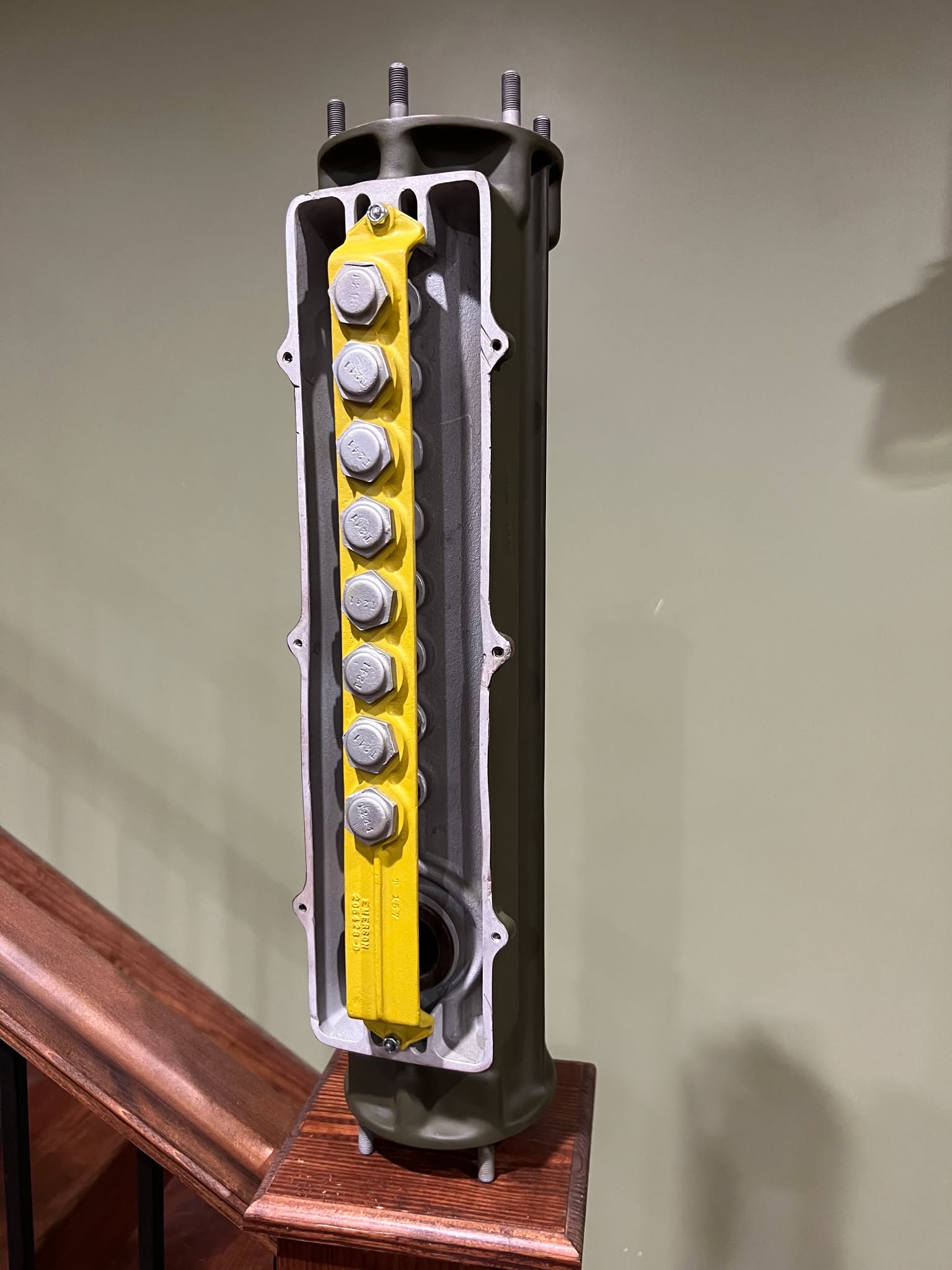
A small concession –
Removing the cover plate reveals that the brush holder bar on this unit comes from an Emerson turret, rather than a Briggs. Rather than conceal this piece’s origin, we decided to display it as originally was – after all, parts from the two were completely interchangeable.
Each silver circle is, in fact, a spring for holding the electrical brushes against the copper cylinder inside. There were eight brushes: one for power, one for grounding, four for communications, and two spares.
Photo taken 29 October 2025.
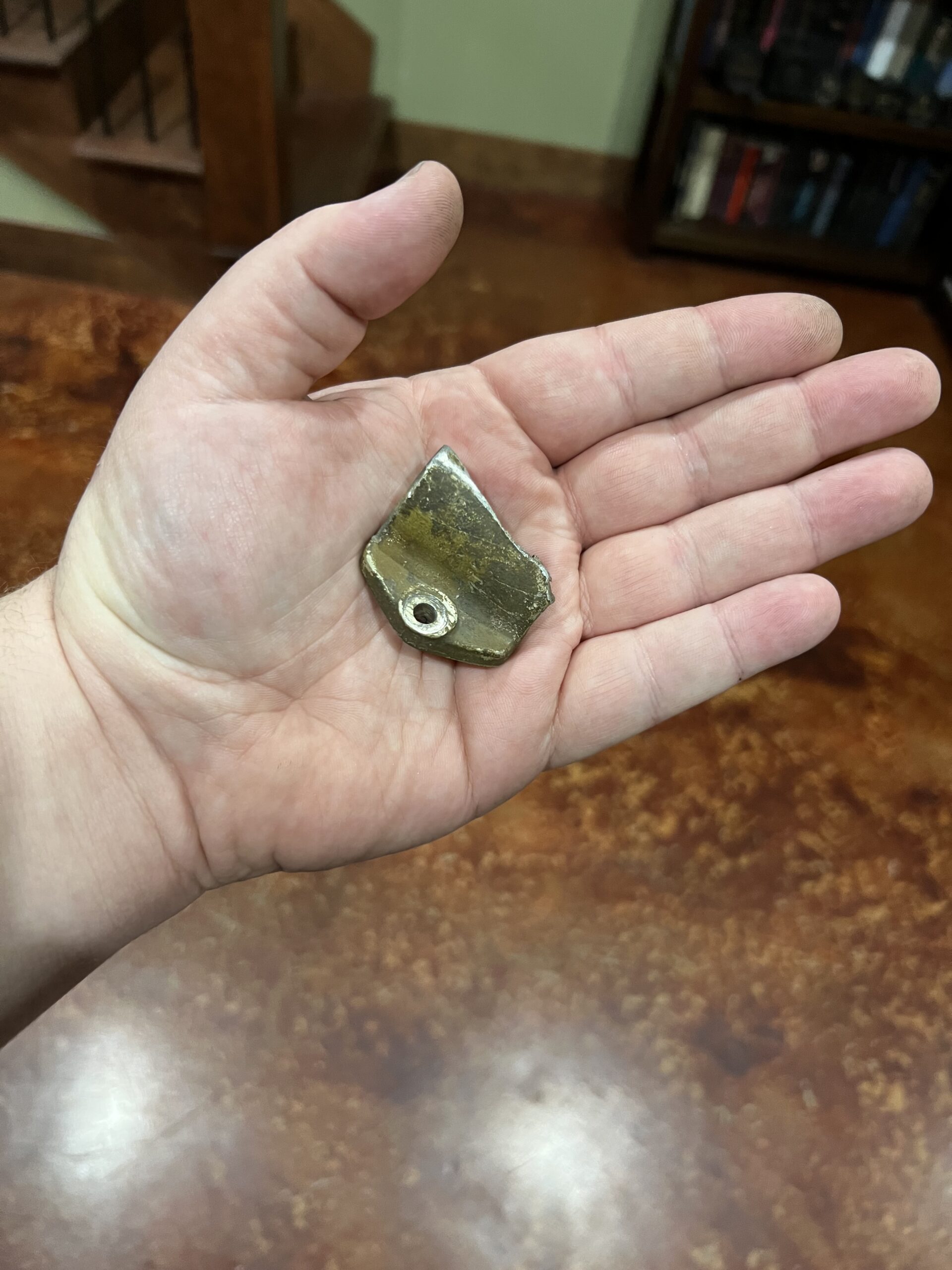
The remains of the original brush bar holder.
Photo taken 31 October 2025.
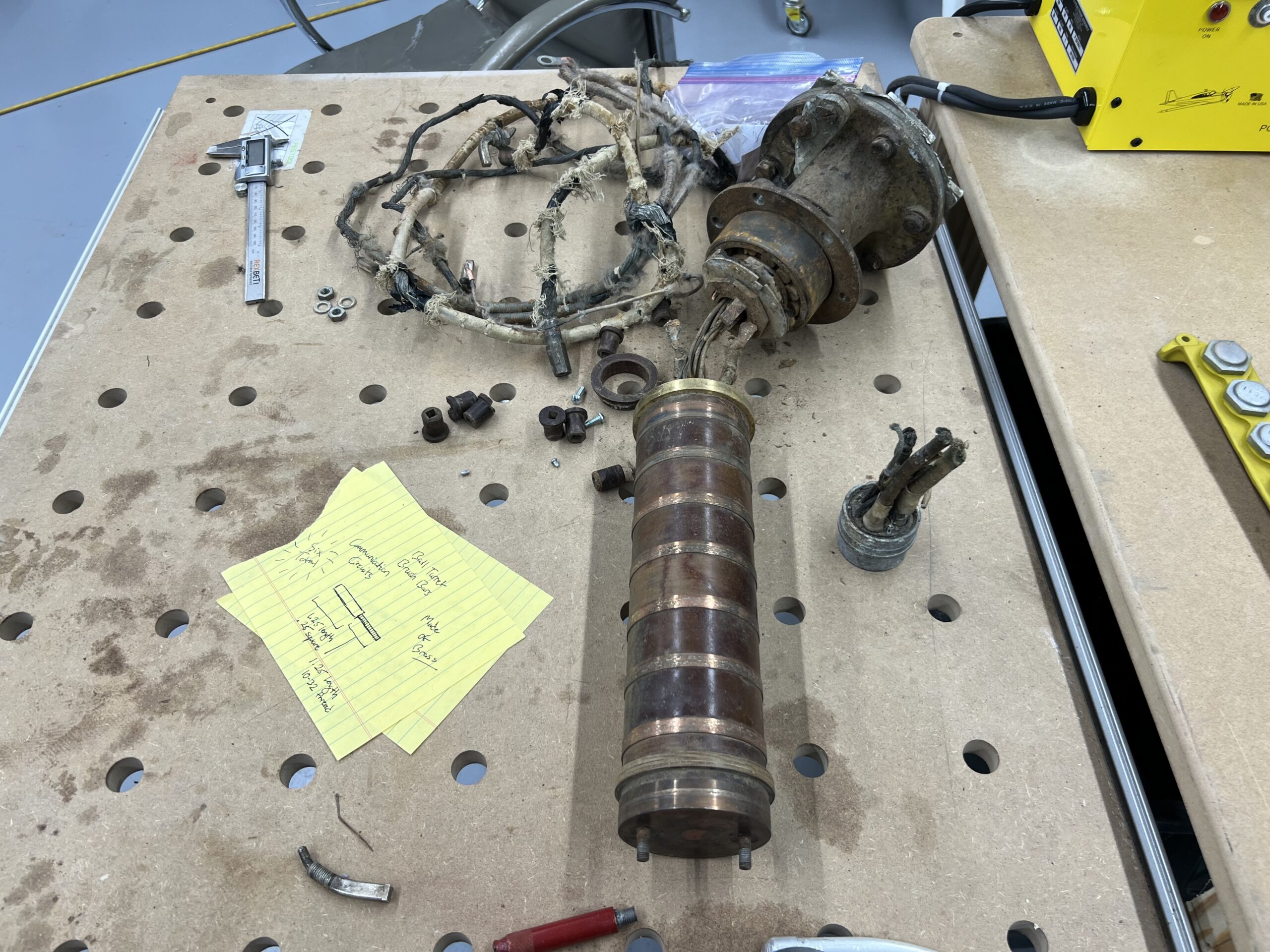
The ceiling mount and the electrical brush cylinder – the next step in restoring the ball turret hanger assembly.
Power from the aircraft entered through the ceiling mount and connected to the copper bands on the cylinder. A series of copper bars, attached to the housing, “brushed” against these bands, connecting power down to the turret below – hence the terminology. This is how the turret was able to spin 360 degrees.
All eight of the brush bars were damaged from the collision and will have to be replaced. This large brush assembly was unique to the Type A-2 Ball Turret, which may be why there are no functioning A-2s today (so far).
Photo taken 13 October 2025.
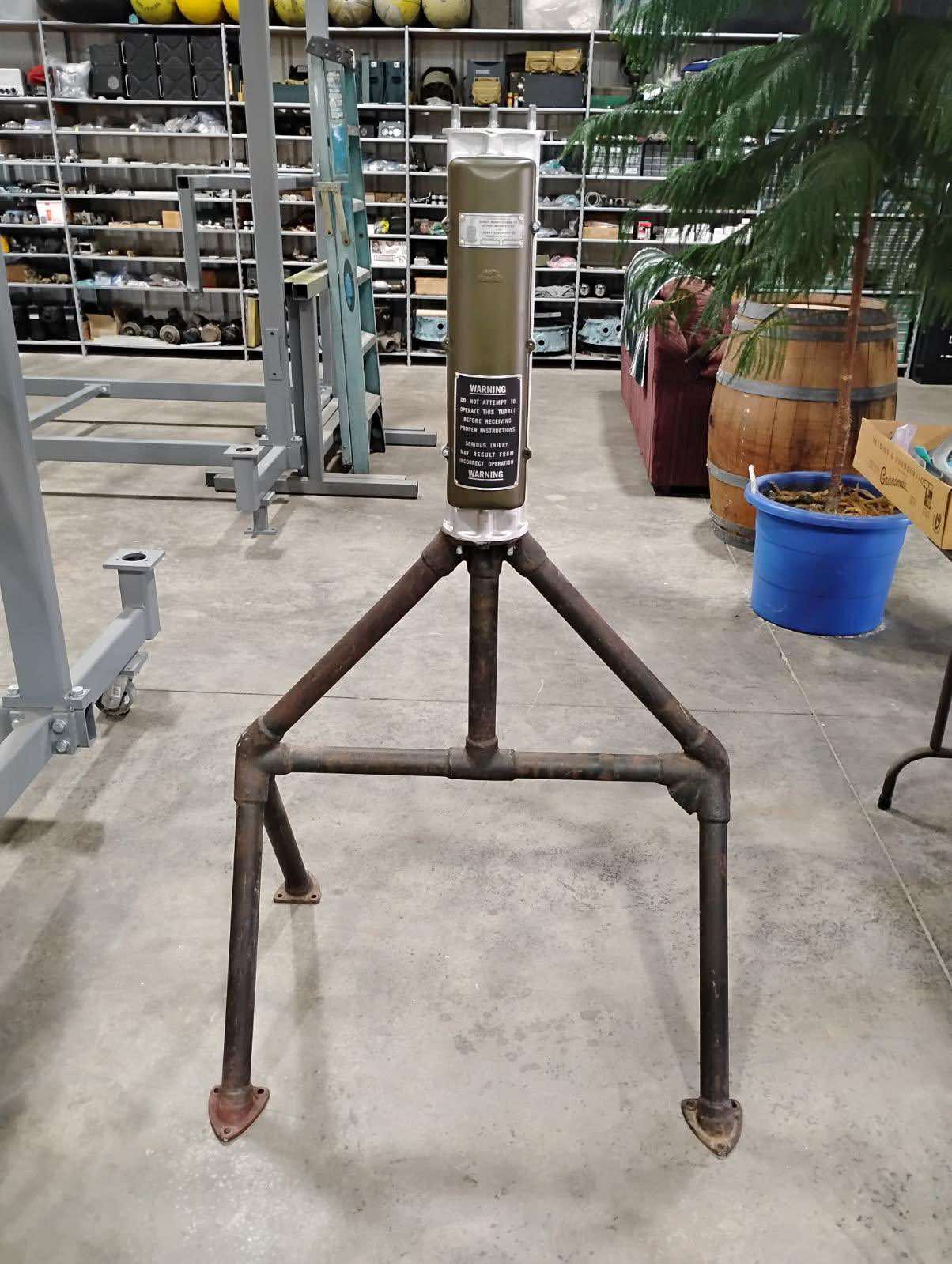
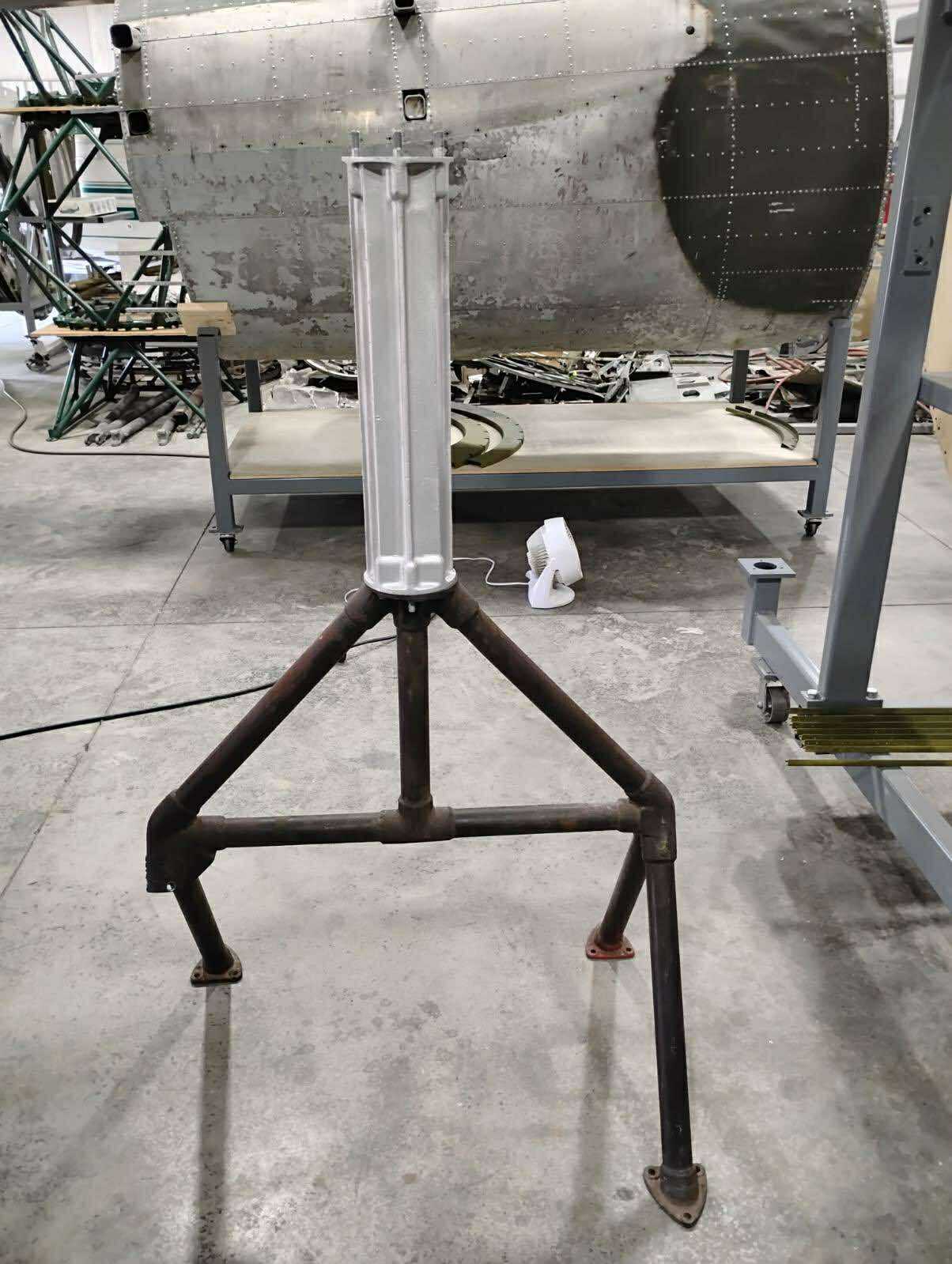
Photos from the main shop after Ray repaired the brush housing casting.
Work is currently underway to recreate the missing foot on the hanger assembly. Once this is done, the foot and missing leg can be welded on, after which it can be refinished and finally mounted to the restored trunnion.
Photos taken 24 August 2025.
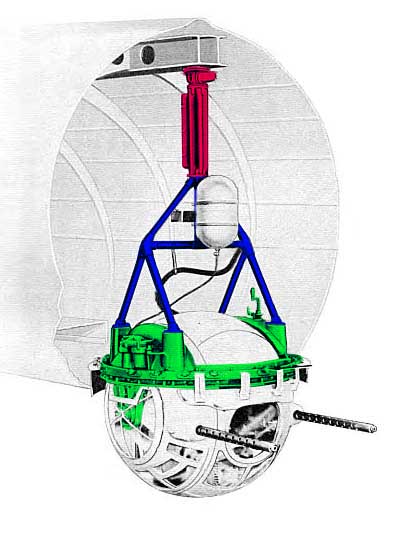
Manual illustration of a Type A-2 Ball Turret.
The trunnion is highlighted in green, the hanger assembly in blue, and the brush housing in red.
The trunnion and brush housing are now restored, with work now started on its wiring and ceiling hanger attachment. Once the missing foot is recreated, work restoring the hanger assembly can begin. The oxygen tank is also restored, as is its connector line.
Volunteers have already stepped forward to recreate the oxygen tank’s mounting straps and spare parts box.
An original ball shell has not been forthcoming (though we have certainly tried) so, we continue our work reverse engineering the 3D scans of the ball shell from the collection of Planes of Fame.
The Hangar Thirteen Foundation is a 501c3 nonprofit charity dedicated to bringing back a B-17F representative of the bloody counter-air campaign of June 1943 through March 1944. Donations to this project are tax deductible. If you can spare a little to help this project, you can guarantee that you will see the results on Facebook and here on our website.
You can contribute through the Donate page or, to avoid a PayPal fee, you can send something via the mail to:
Gerad Allen Blume
Hangar Thirteen Foundation
442 Old Chalk Bed Road
Batesburg, SC 29006
Volunteers are also always welcome. In fact, you need not be an Asheville resident – you can work from home! Persons skilled with metal fabrication, machining, CAD modeling, metal casting, 3D scanning, and laser/waterjet cutting, are particularly helpful. Just reach out to us to get started.
Keep the show on the road!