
The top turret dome for Boeing B-17F Lucky Thirteen is now repaired!
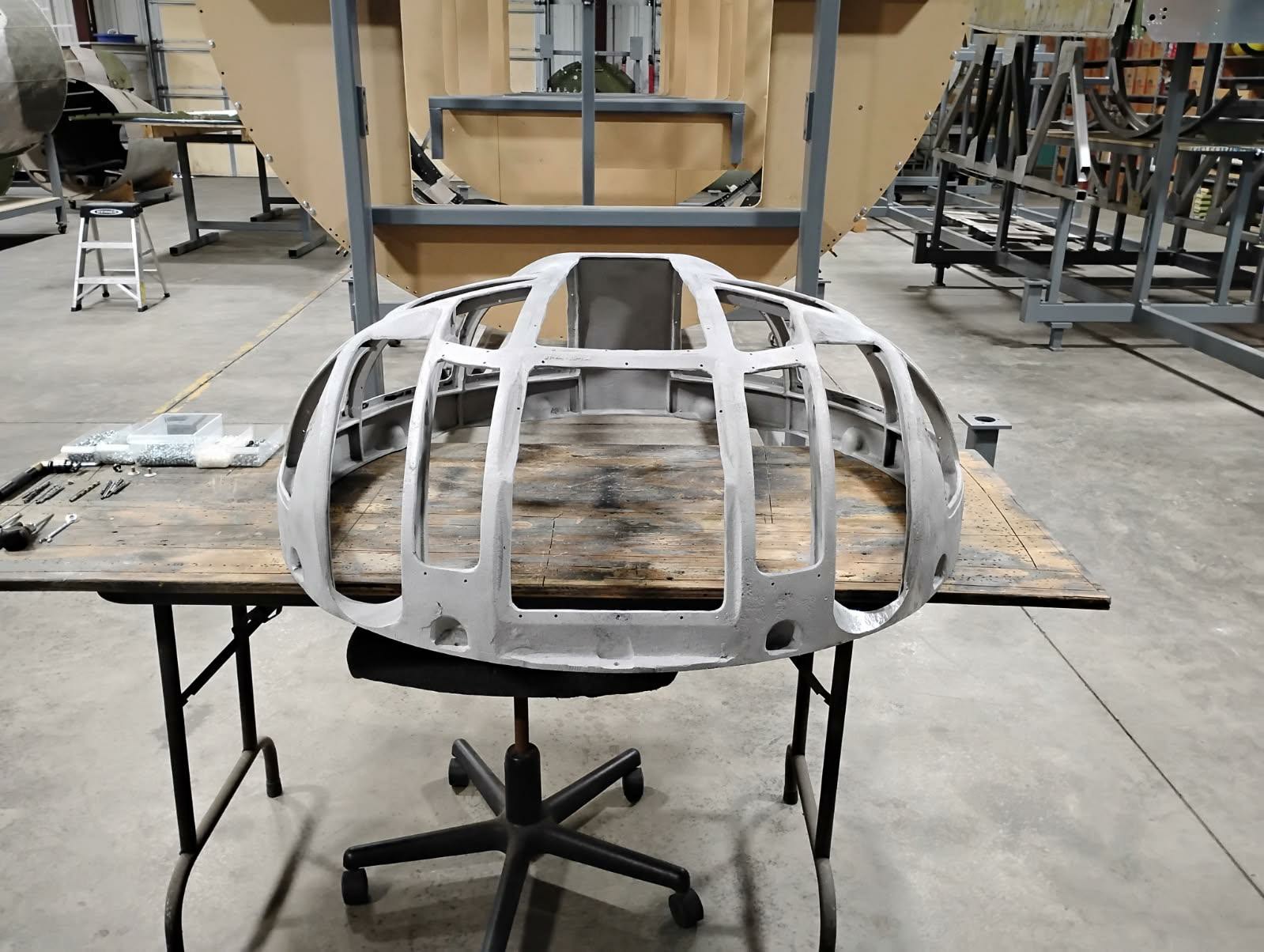
Photo taken 16 February 2026.
Sperry Gyroscope was charged with designing turrets for the B-17 at the outset of the war. Lacking the ability to produce turrets in-house, these turrets were license-built: Steel Products and Engineering of Ohio (SPECO) for the A-1 Upper, and Briggs for the A-2 Lower. Both companies were unable to meet quota, so these turrets were also built by Emerson Electric.
Whereas SPECO was a specialty-house, Emerson built on an assembly line. This meant that SPECO was able to implement changes more easily than Emerson. The dome is a good example of this. The A-1 went through six different dome variants throughout its production; however almost all of these were unique to SPECO turrets. Why? Because Emerson only changed domes once. When looking at pictures of late-B-17Fs, you can easily make out which aircraft have Emersons installed, simply by seeing who has a cast dome vs a bolt-together model.
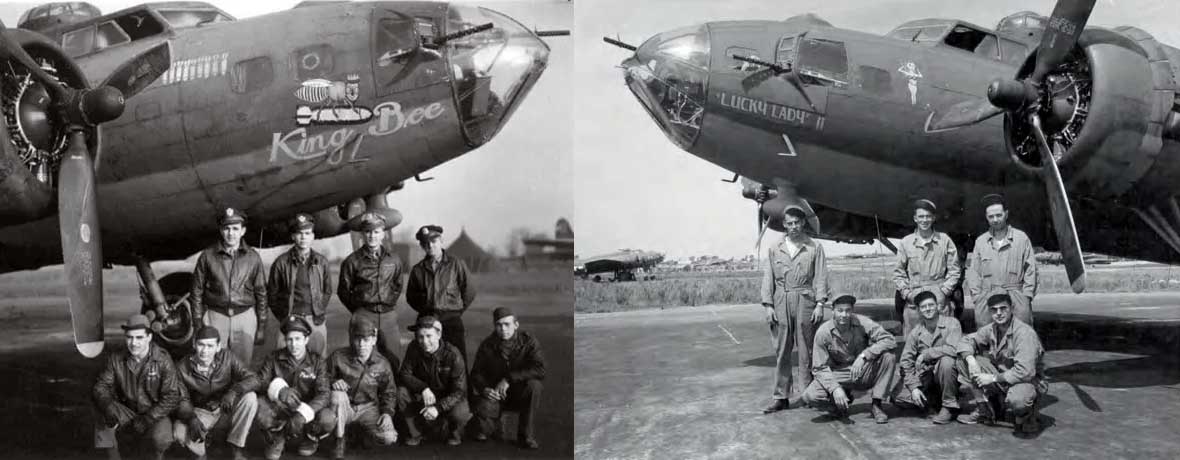
Both of these aircraft were of similar age, being late-Fs which entered service in 1943. While Lucky Lady II was a Boeing-built F-model, King Bee was a Douglas-built F-model. Looking at the photos, we can tell that Lucky Lady II had a SPECO installed because of her Type 3 dome, and King Bee had an Emerson installed because of her Type 2 dome. Admittedly, it is possible that the domes on these turrets were swapped out, but photos of other aircraft suggest that Emersons were more prevalent on license-built B-17s than SPECOs.
Lucky Thirteen carried an Emerson-built A-1 and, true to form, the A-1 in our collection is an Emerson. This dome was donated to the project thanks to the incredible efforts of Keith Ellefson, Karl Hauffe, Ray Moore, Don Price, Andy Rivera, and Chris Wilkinson. I hope our work does you guys proud!
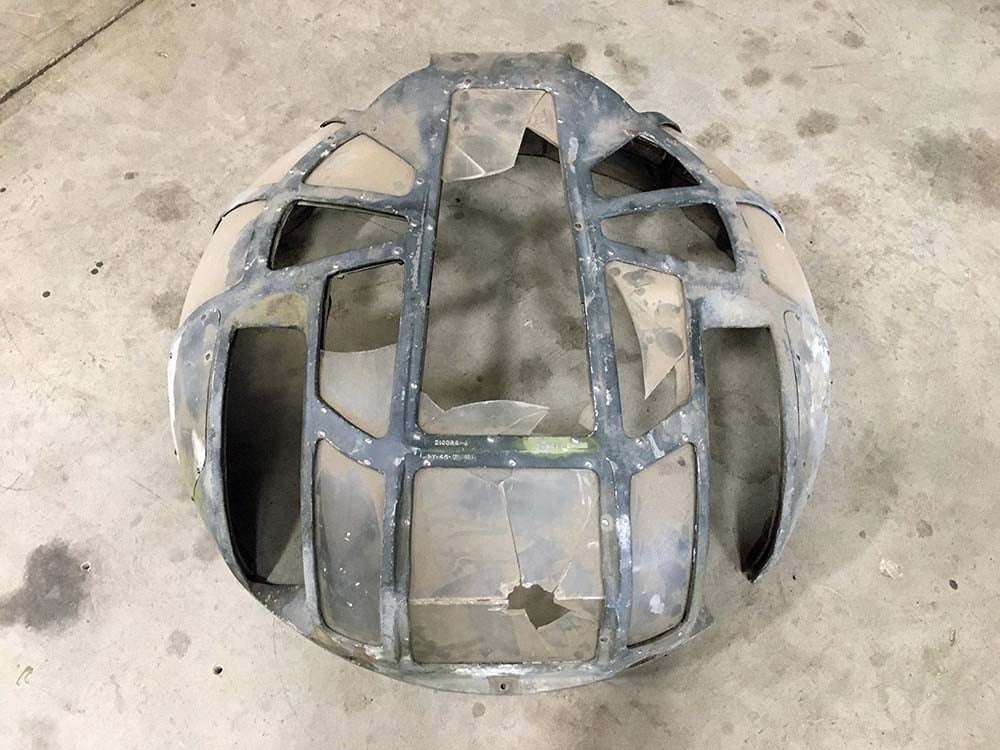
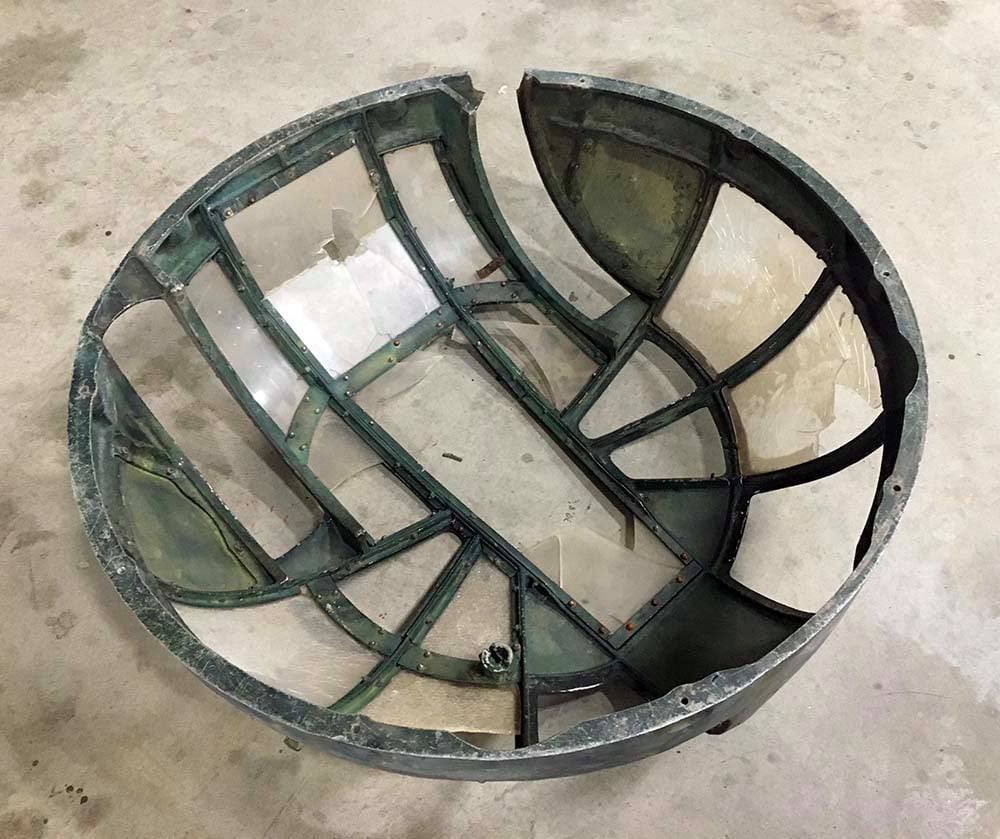
Photo taken 30 September 2021.
The dome was in great condition aside from a bit missing under the left gun barrel. To rectify this, we first sought to copy the broken section from another Emerson dome. Much to our surprise, they did not match. It turns out that our dome was from early in Emerson production and, as such, has complex curves on the bottom which were eliminated on later castings. So, our friend Chris Erdahl of Asheville Product Development Solutions stepped forward, 3D scanning the opposite side and mirroring the model. Naturally, the dome is not a perfect circle, so it took some work to alter said model until it perfectly matched the missing portion. Once this was perfected, a 3D print was test fitted then sent to Clarke Easterling of Windy Hill Foundry. Clarke used the model to sandcast a plug, which was then mailed back to the shop and welded into place.
You can actually watch Clarke’s work on the plug on his YouTube channel. The video link is here.
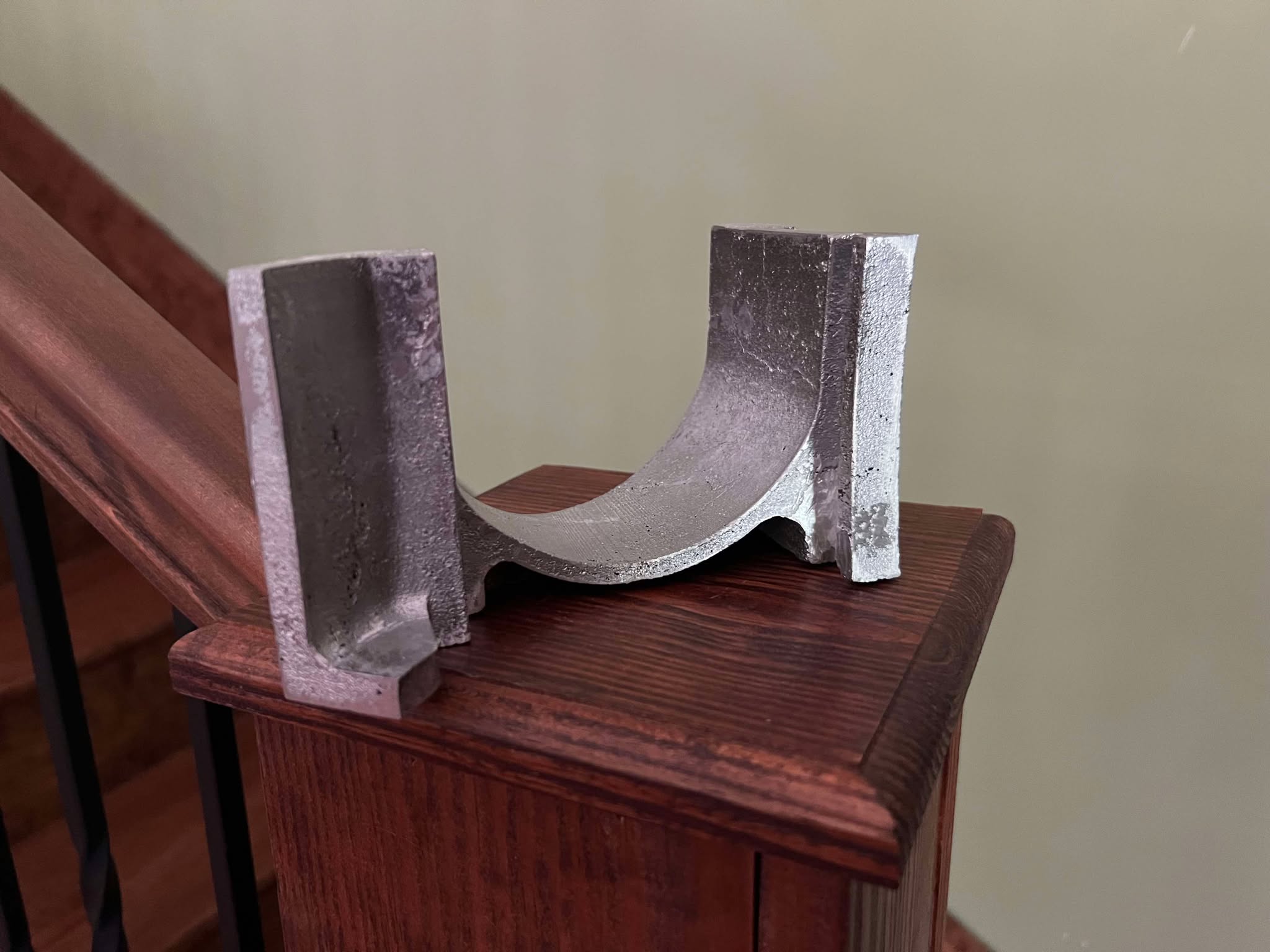
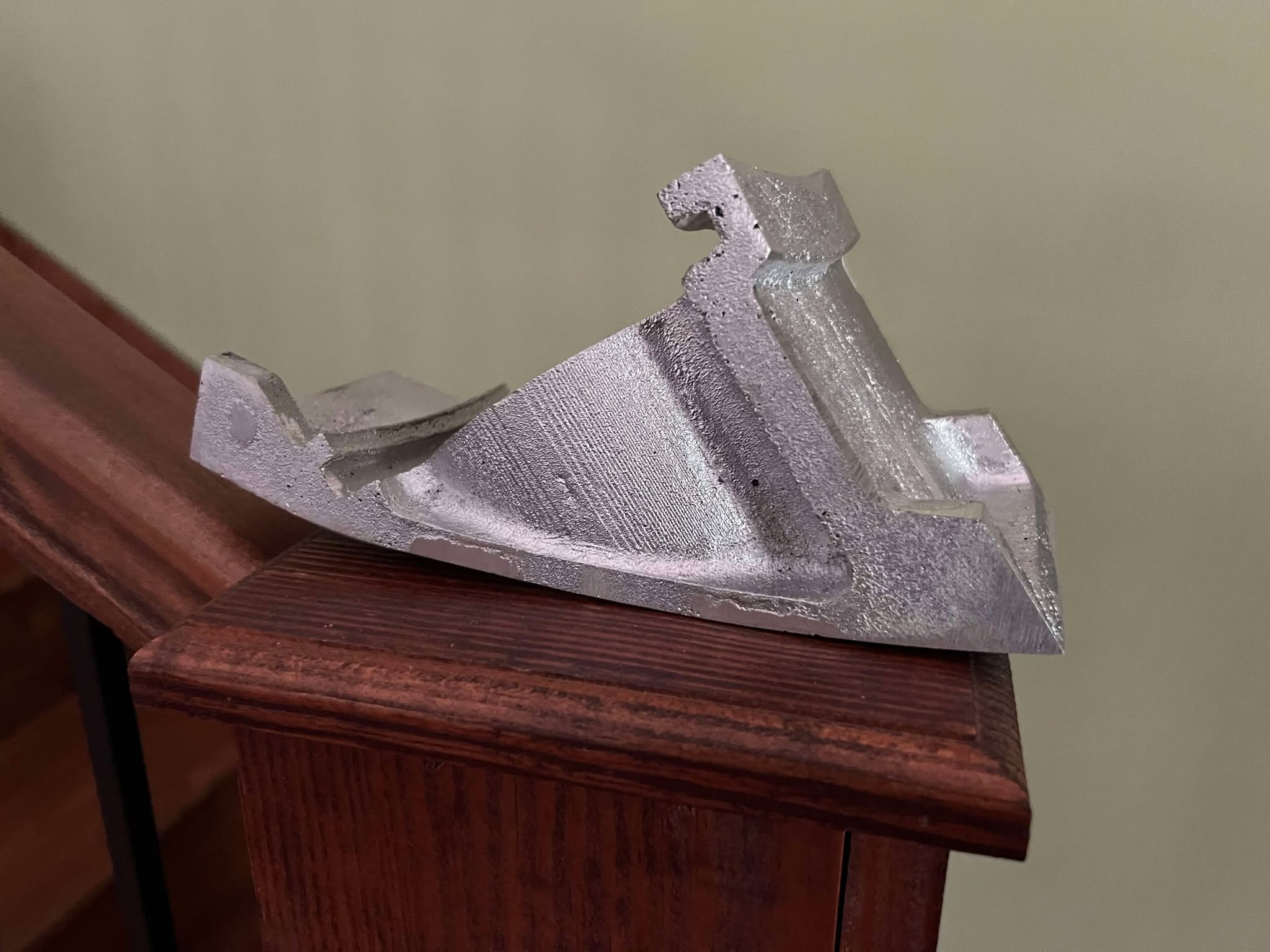
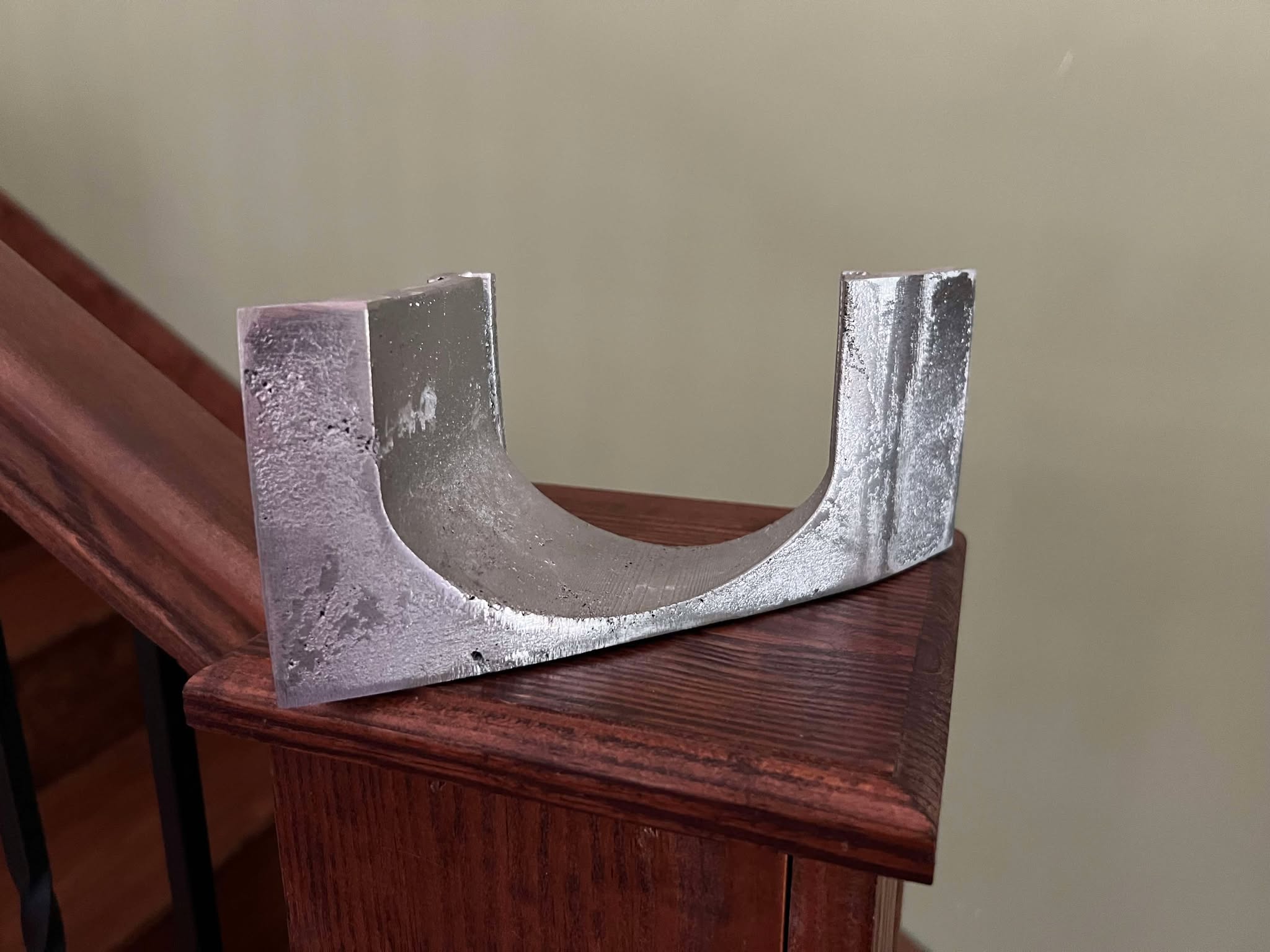
Photos taken 16 May 2025.
Clark was worried about the quality of the casting, as the plastic of the test print did not behave as hoped during casting. He offered to do recasts until perfect but, honestly, the dome itself was rather rough cast. Once the plug was installed, the effect was absolutely seamless.
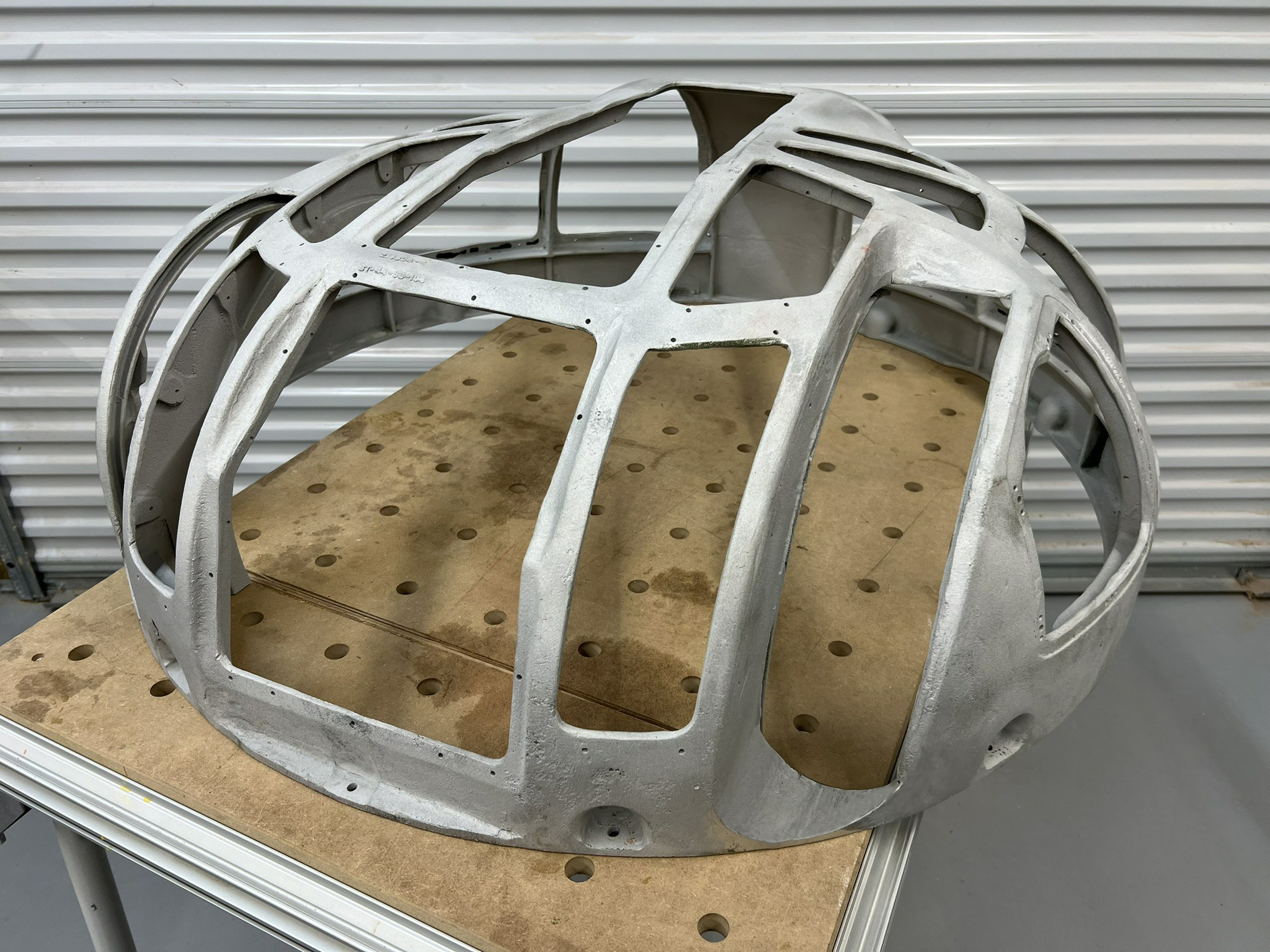
Photo take 26 February 2026.
Now that it is back at my shop, I can begin refinishing the dome, returning it to its wartime glory. Alongside primer and paint, this will include replacing the plexiglass, missing bits of bracing, recharging handles and brackets, and gun barrel shutters.
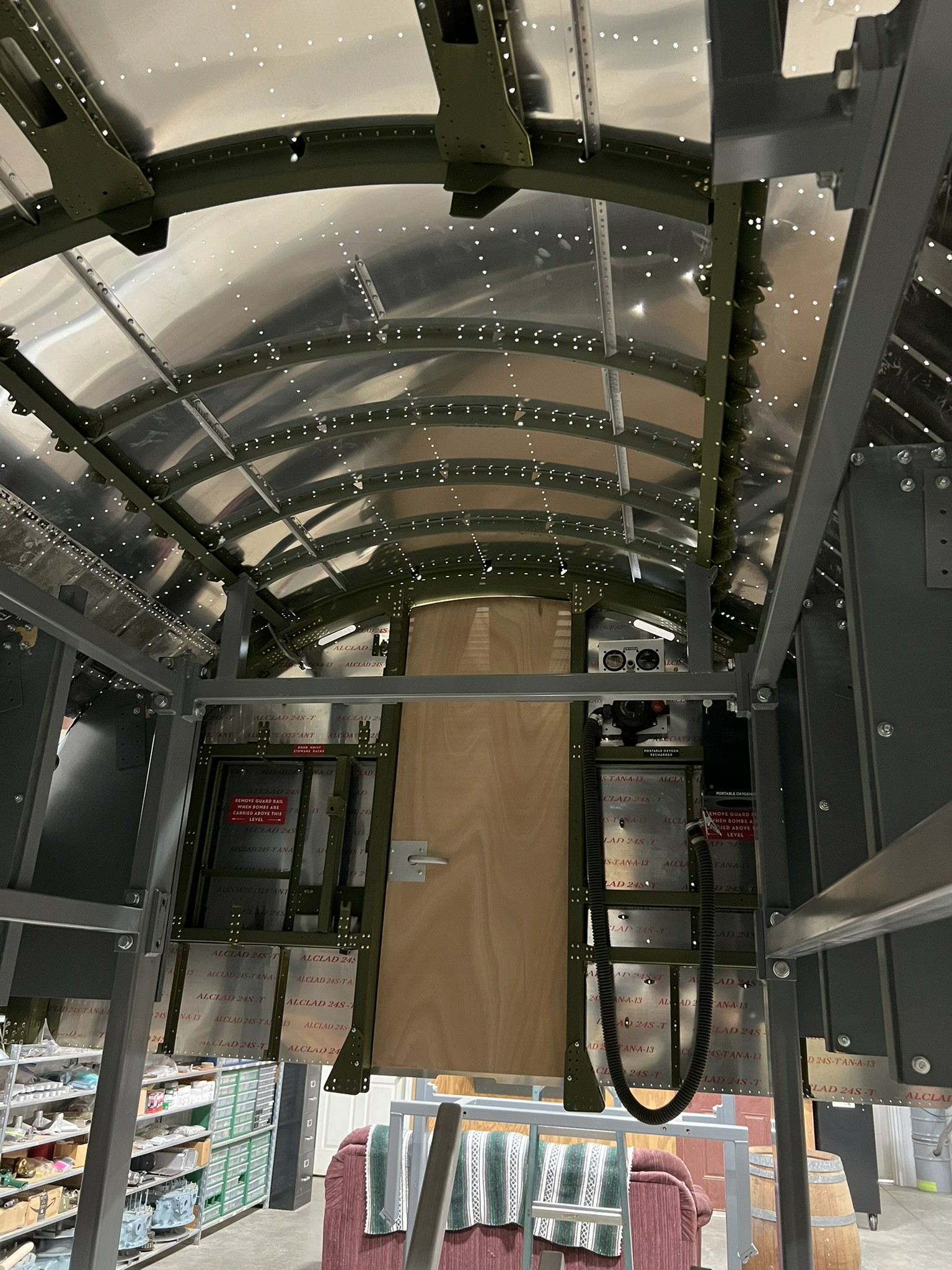
Now that the missing leg and foot are replaced and the hanger fully restored, the A-2 Ball Turret trunnion/hanger assembly is back at my shop as well. And it truly is a sight to see…
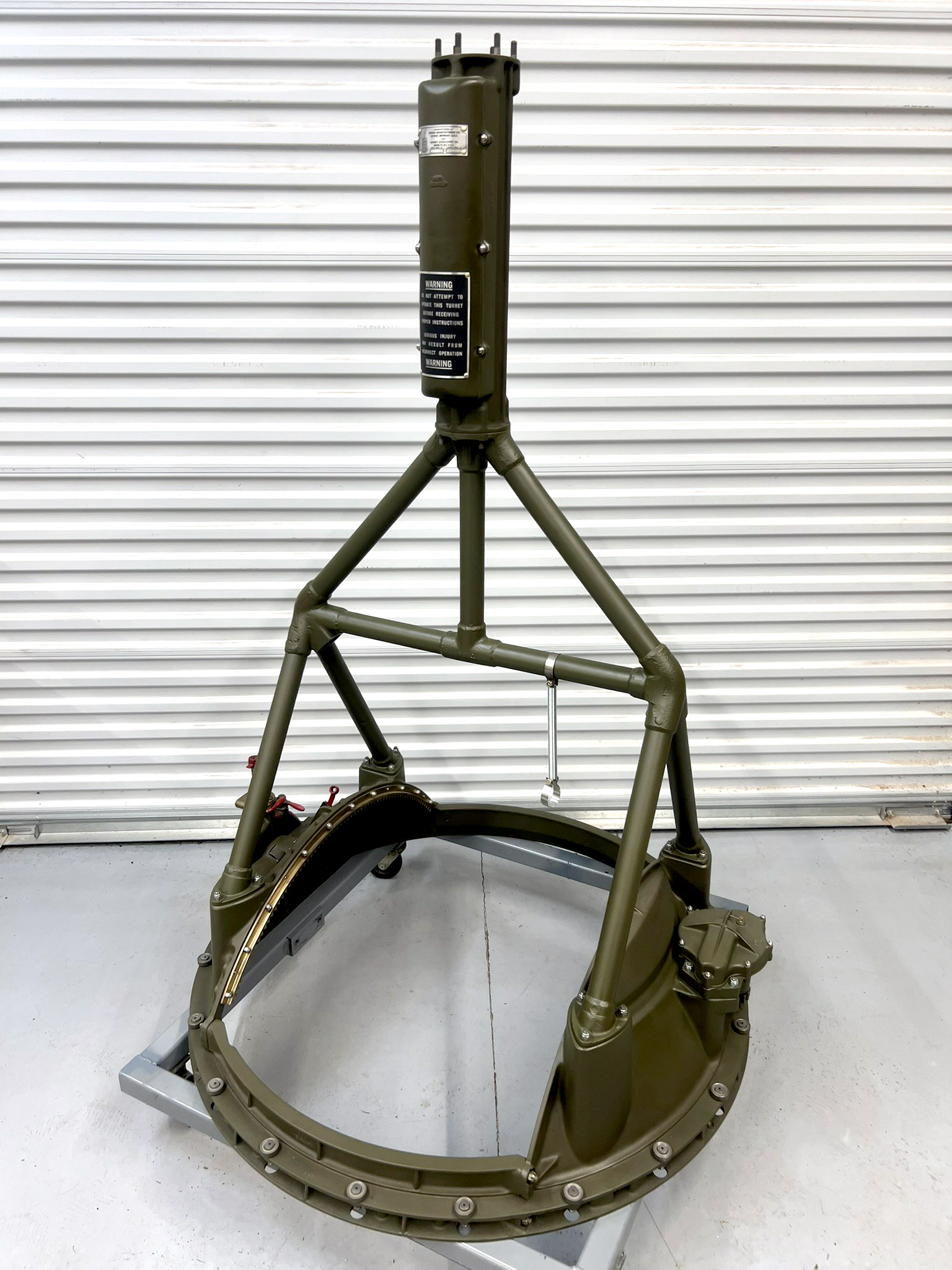
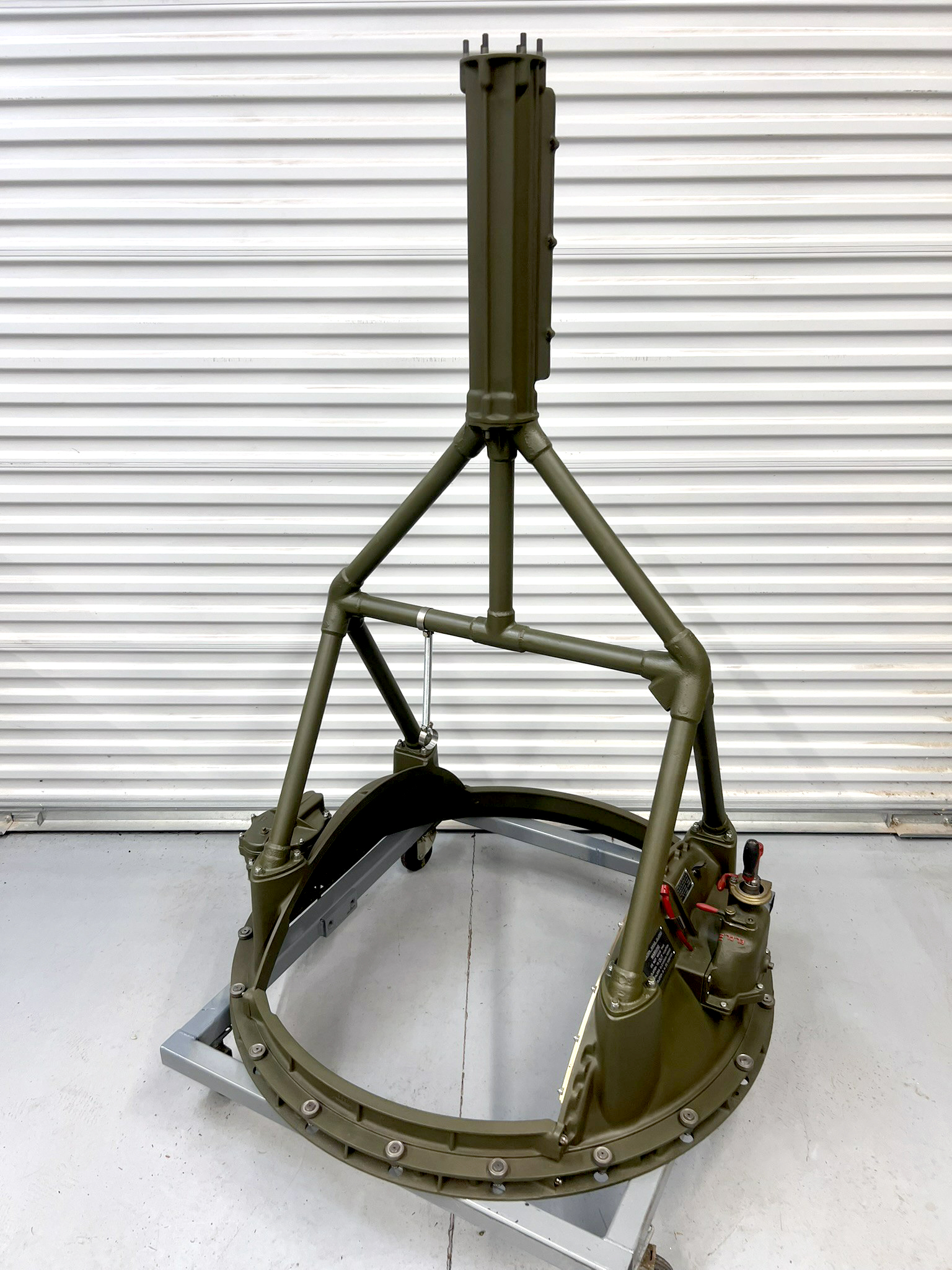
Photos taken 26 February 2026.
Ray welded a little cart that will make it easier for me to access everything. The only pieces which remain to be installed on the hanger are the Accessory Box, Oxygen Tank Support Straps, and clip for the Gunsight Spares Box. Back in November, we ordered the connector for the power conduit – it is due to arrive next month (quick turnaround, eh?). So, the big task ahead is running the wires from the brush housing at the top, down through the tubing, and out through the connector mount. The wires we purchased last year were for the power conduit, so this wire will have to be ordered anew.
You might notice a silver piece dangling from the hanger. This is the first of the attachment pieces – the conduit support spring. Surprisingly, the original upper clamp on this spring was still attached to the hanger when we acquired it.
Structurally, we must now focus on the aspects which actually mount the turret into the airplane. This means the ceiling connector and the azimuth ring on the floor. The latter will require some new castings as the brackets which held our ring in place were in bad shape and needed replacing. As for the ceiling connector, Fred asked that I hold on disassembling it until we can go over it together, as the wiring therein will be rather complex.
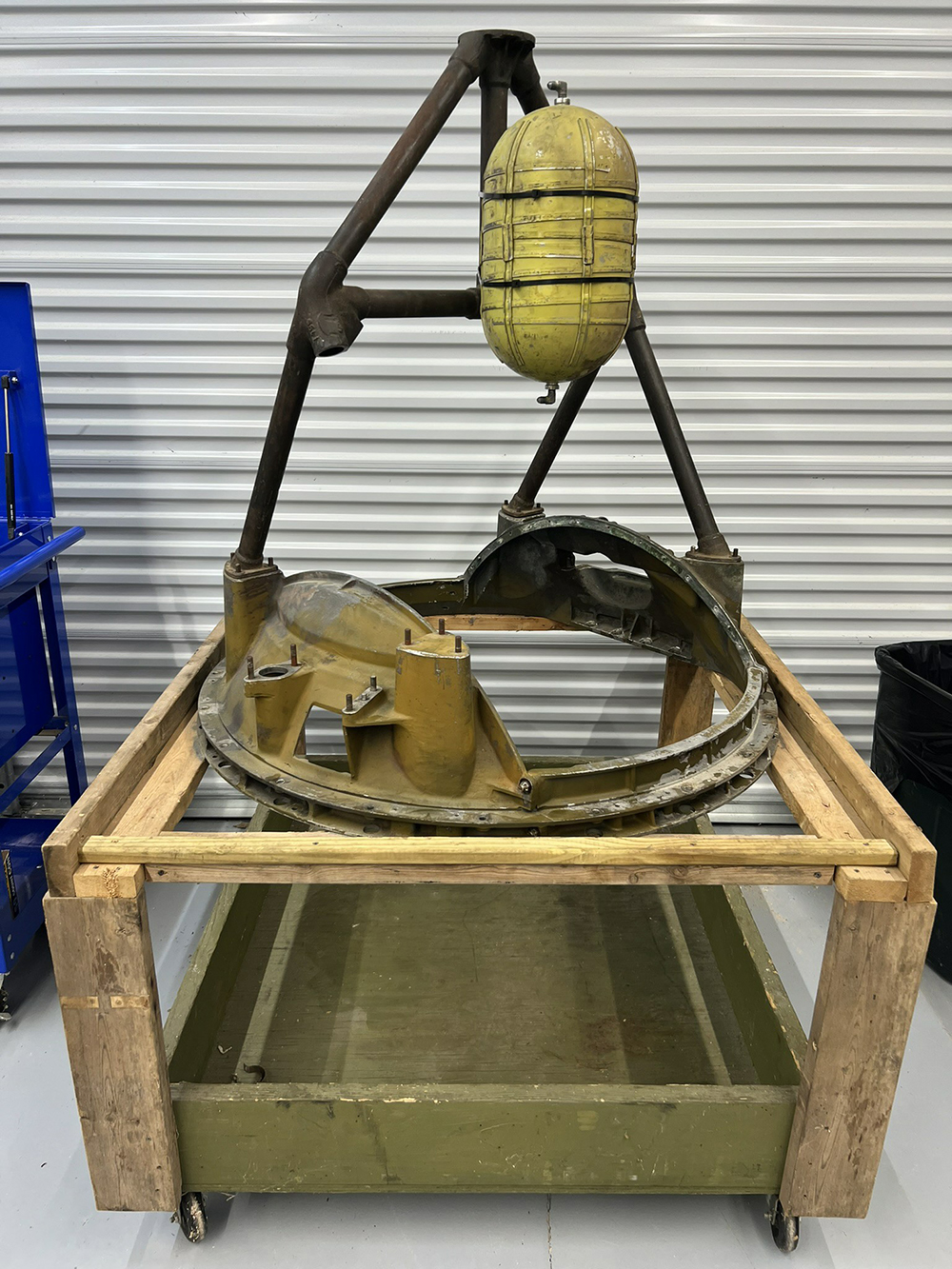
Photo taken 8 January 2025.
The turret’s trunnion and hanger assembly as it originally arrived.
The azimuth and elevation gears had already been removed for restoration and an F-2 oxygen tank zip tied to the hanger for fun.
Note how the original olive drab paint faded to an almost tan color from sitting in the sun.
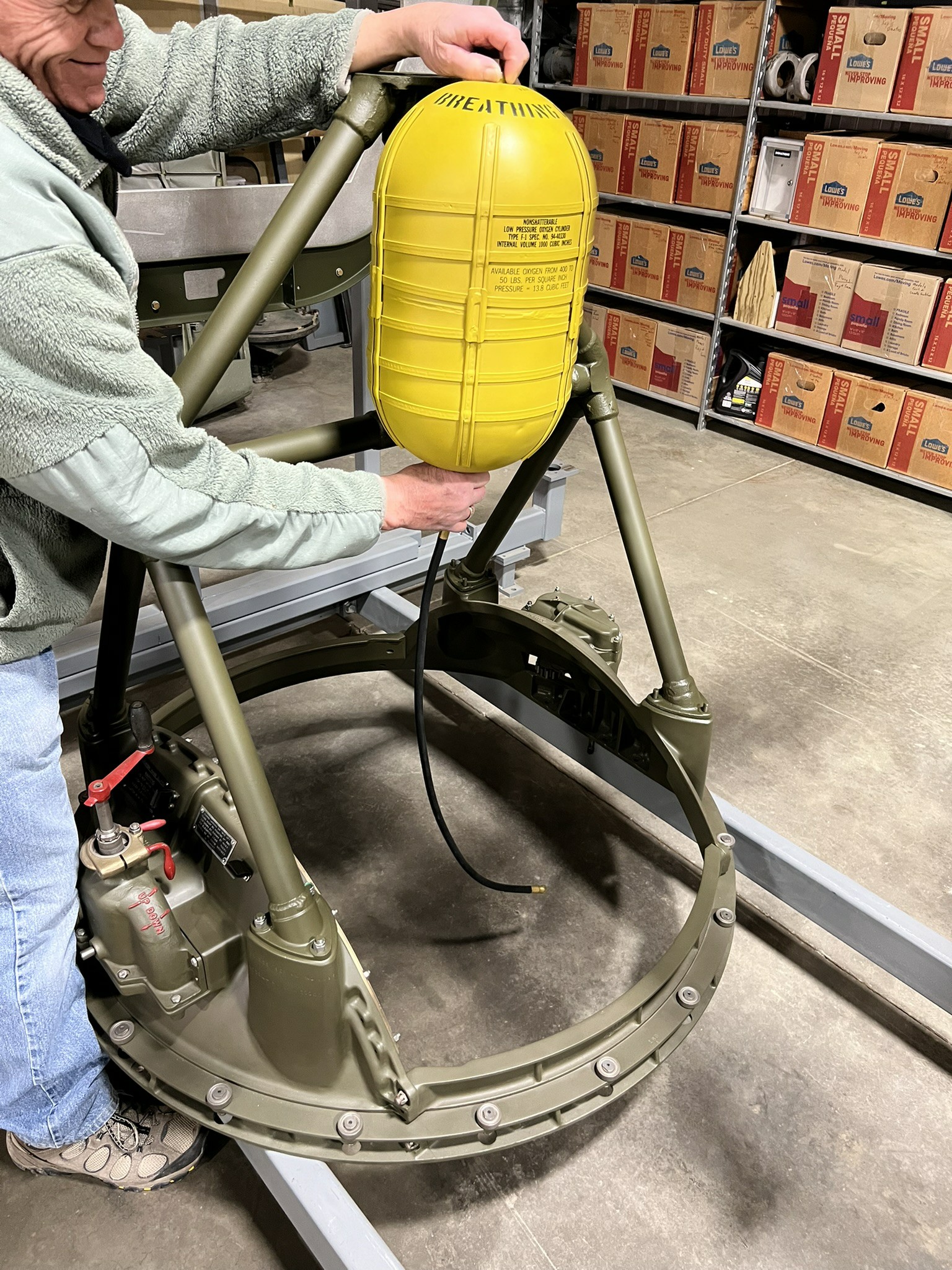
Photo taken 12 February 2026.
Jerry Boyd, visiting the shop while in town, is tasked with holding the recently restored Type F-1 Oxygen Tank in place for a photo op.
As silly as it may seem, we are looking forward to attaching all the accoutrements which go on the hanger.
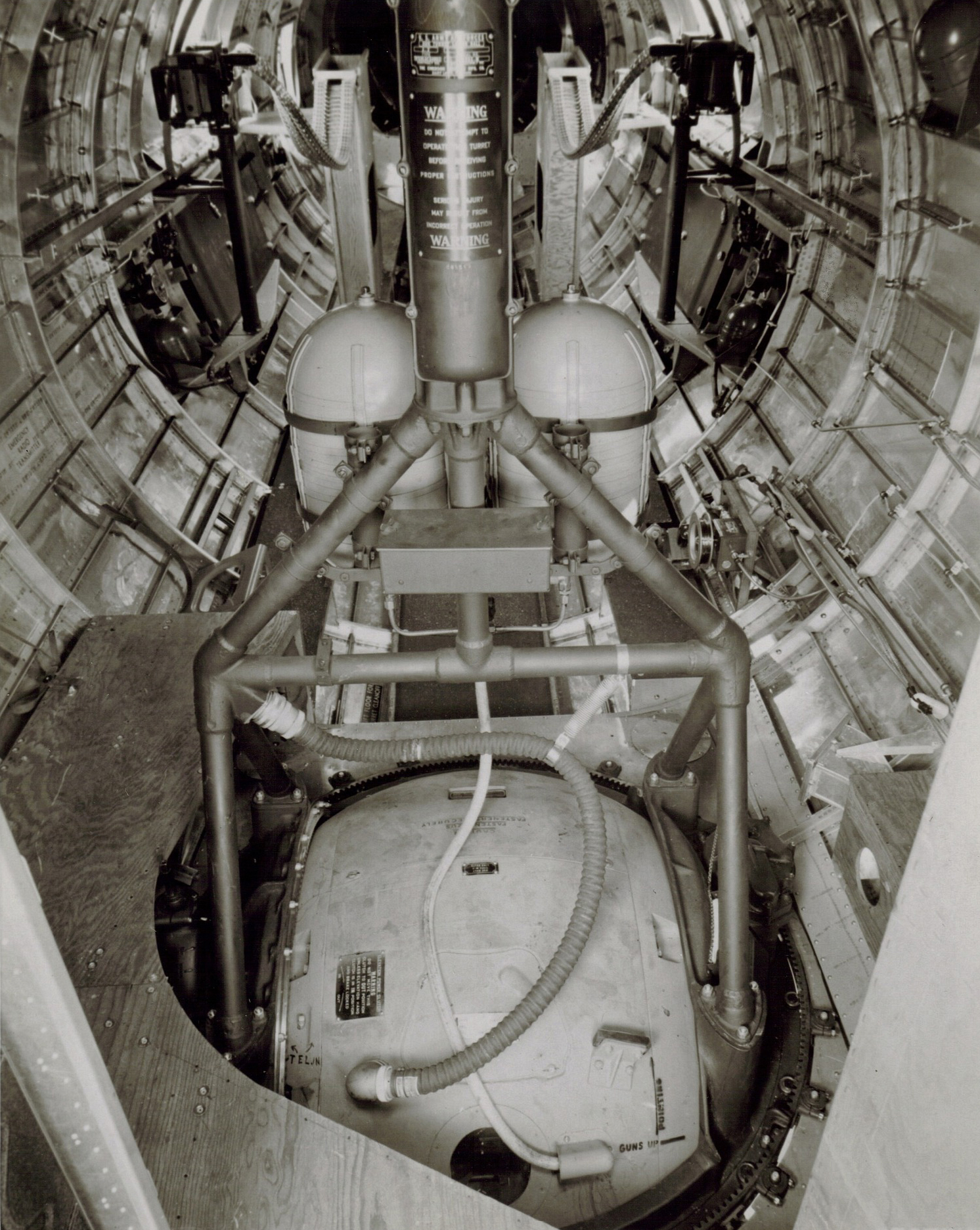
Type A-2 Ball Turret aboard 42-31233, a B-17G with the 303BG. Only the first couple blocks of B-17Gs carried A-2s, as most carried A-2As; so this photo represents the latest of the A-2s.
This A-2 is an Emerson and the Accessory Box and Conduit Spring are visible here. To the left of the conduit spring is a bracket which is not attached to anything. This is for the Gunsight Spare Parts Box. We know little about this piece and suspect the box was shipped alongside the turret’s K-4 Gunsight. If anyone comes across such a box, please let us know, as we have never seen one.
42-31233 was lost over Bremen on 20 December 1943.
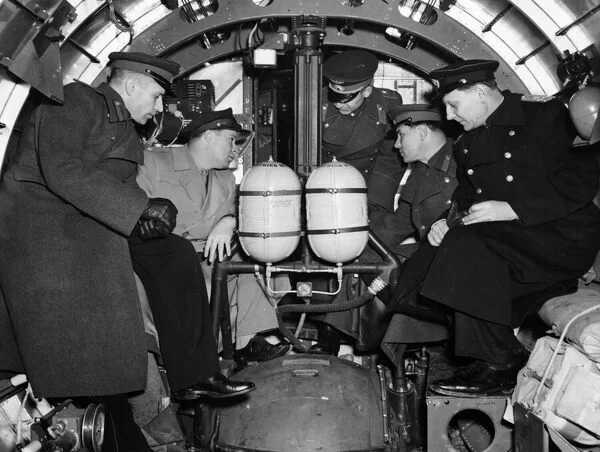
Soviet servicemen inspect a Type A-2 ball turret during Operation FRANTIC.
Taking place between June and September 1944, FRANTIC was an attempt at having US 8AF and 15AF bombers rearm and refuel at bases in Soviet-occupied territory, allowing for longer-distance operations. FRANTIC failed due to Soviet distrust of US intentions, overruling target choices, refusing to repatriate US POWs, and rejecting the installation of US night fighters and AAA for base defense. The final straw was the Warsaw Uprising, the Soviets deliberately waiting for the Germans to put down the uprising before liberating the city.
Note the dual F-1 Oxygen Tanks. The A-2 was the only ball turret variant (outside of early A-13s) which required its own oxygen tank. These tanks were small and required recharging whenever the supply was low. Not only has the tank been supplemented with an additional F-1, but the waist gunners have been given an indicator to watch the pressure with, just in case the ball turret gunner lost track of pressure. This modification appears to have been somewhat standard, but we do not know exactly when it entered service. As such, we are choosing to err on the side of caution, restoring Lucky Thirteen‘s A-2 with its factory arrangement.
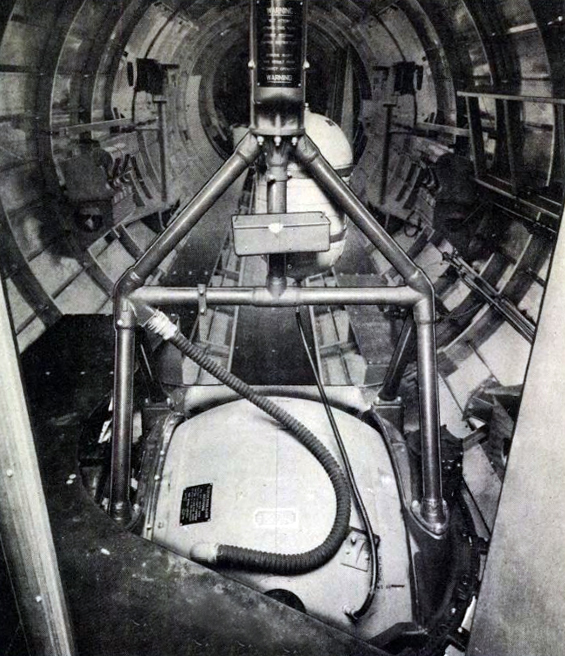
A Briggs-built A-2 aboard a late-B-17E or early-B-17F, based on the can fed waist guns.
While the Accessory Box, Oxygen Tank, and Gunsight Spare Parts Box clip are all visible, the Conduit Spring is oddly missing.
Fred has a lot going on right now, which includes changing the brushes and bearings in our turret motors as, outside the electric motor, our ball turret power assembly is ready for display and live demonstrations.
(To avoid spoiling the surprise, I am deliberately avoiding pictures of everything put together until the last piece is installed.)
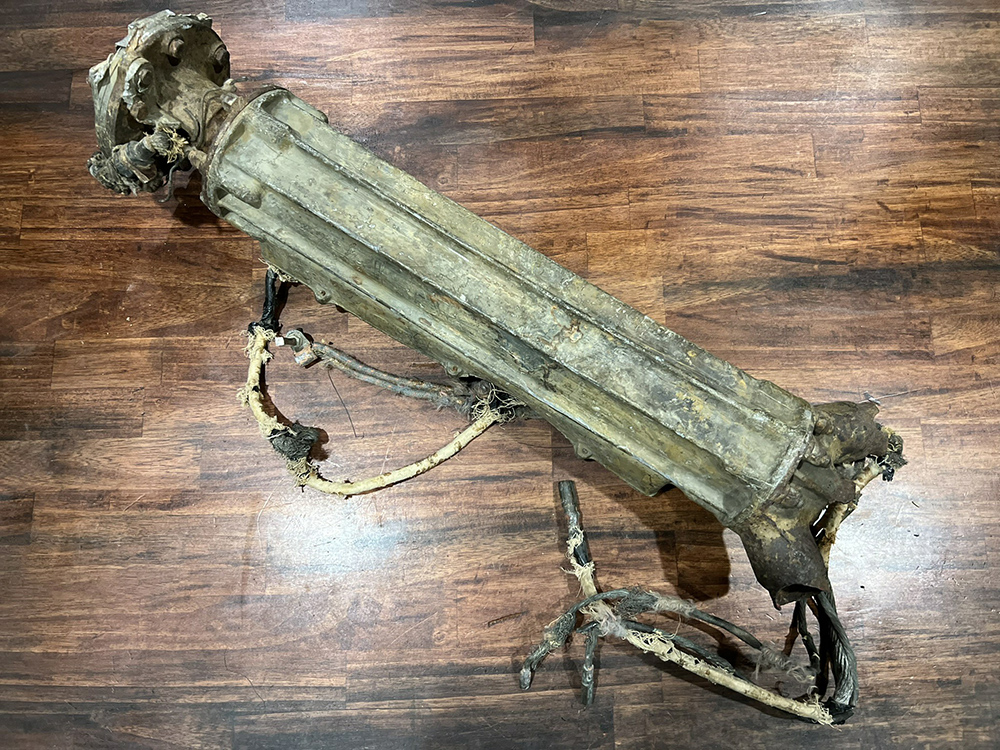
While waiting on Fred, we have been working the broken bits of our ceiling connector. Our brush assembly comes from the UK, originating from a midair collision which occurred over RAF Great Ashfield on 26 September 1943 – just 20 days after Lucky Thirteen was shot down. The bits which fed the wires into the ceiling connector from the airplane were shorn away.
In researching the broken pieces, we discovered yet another difference between Briggs and Emerson built turrets – the connector box on Emerson-built turrets featured a large cutout on one side, while Briggs connector boxes were solid. Our friends at the Smithsonian Udvar-Hazy Center were kind enough to 3D scan the appropriate pieces from the A-2 on Shoo Shoo Baby, so we are now working to design molds from which to cast them anew.
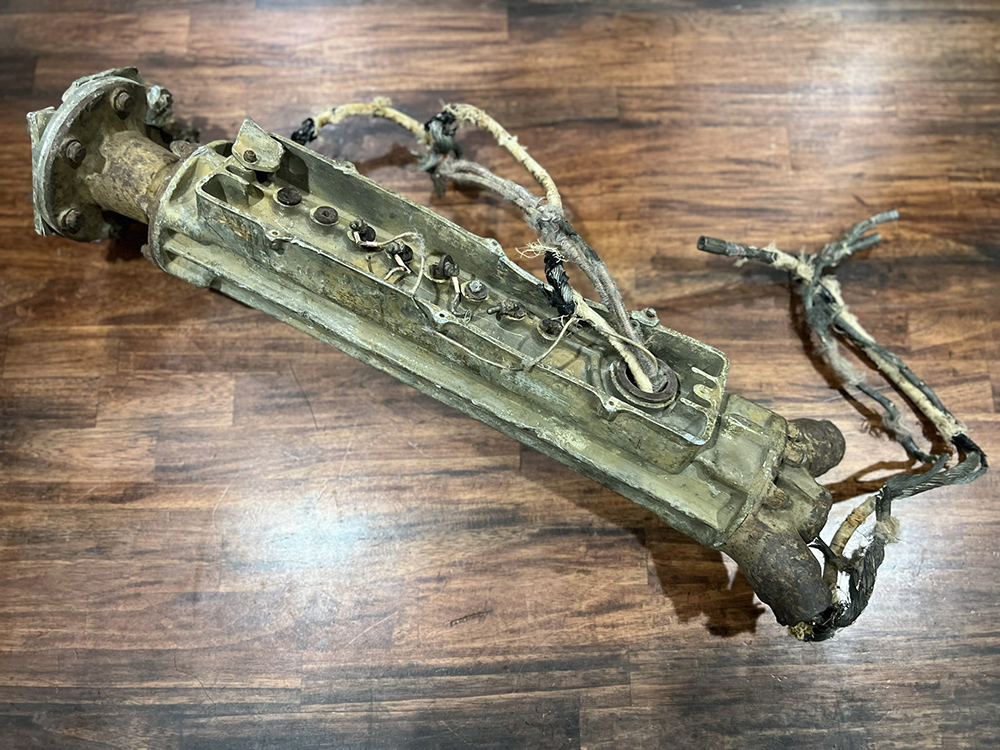
Photos taken 19 June 2023.
The brush housing as it appeared upon arrival.
Dorsal Queen (42-30264) and Raunchy Wolf (42-3290) of the 385BG were in a holding pattern over the field, having returned from a strike, when Raunchy Wolf collided with Dorsal Queen. The official report speculates that a frosted windshield obscured the pilots’ vision. Raunchy Wolf lost her left wing and Dorsal Queen her tail, both spiralling out of control. The only survivor was SSGT John J. Adams, tail gunner on Dorsal Queen.
We are not aware as to which of the two bombers this piece came from.
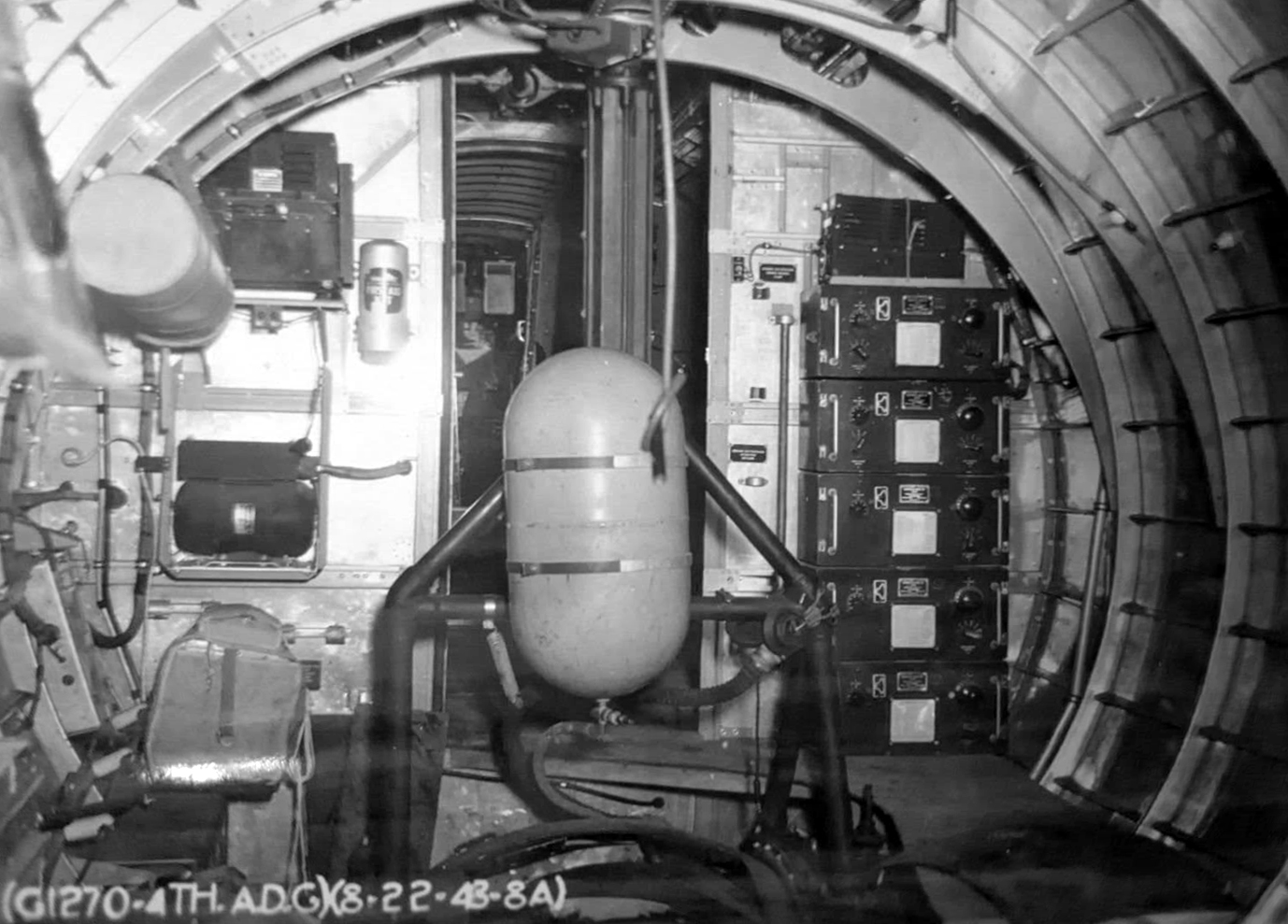
Photo taken 22 August 1943.
A rather unique setup taken aboard a late-F or early-G. The tuning unit stack and hand crank extensions have been moved to the opposite side of Station 6, necessitating the two Gibson Girl bags be clipped where the ladder was normally stowed. Curiously, an older Command Transmitter has been mounted atop the tuning units.
On the A-2 Ball Turret, a G-1 Oxygen Tank has replaced the normal F-1 tank. We can tell that this is a Briggs turret based on the ceiling connector box, as it lacks the hole found on Emersons.
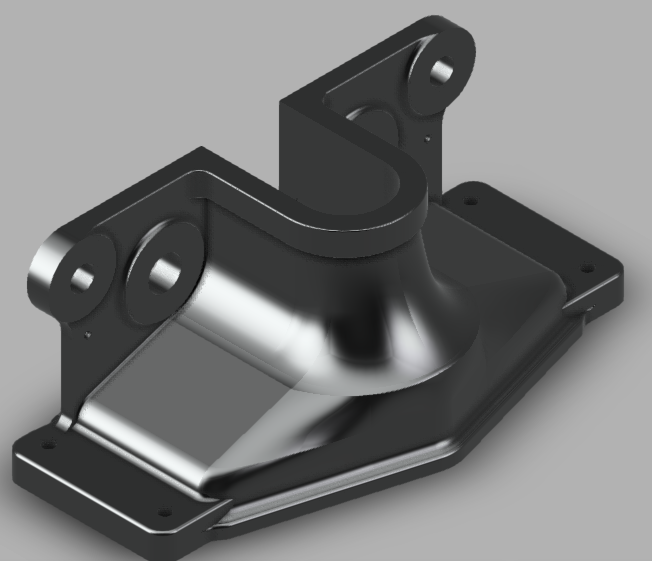
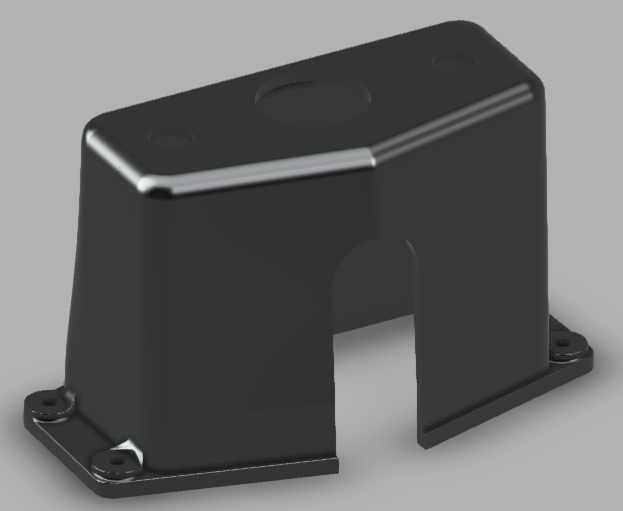
Screenshots of the scans provided to us by the Smithsonian. Throughout this process, we helped identify parts in their collection and network connections for future projects. It really is a thrill to be able to say that I got to work with the Smithsonian.
You may notice the hole in the connector box – the box on Shoo Shoo Baby‘s turret is from an Emerson, while her trunnion and ball are from a Briggs. Like most surviving ball turrets, her ball is a amalgamation of brands and variants. This model has already been altered to reflect the Briggs variant, so that it will be accurate to our turret when cast anew.
I might add that, unlike the A-1 Upper, the blueprints for the A-2 Ball are not lost to history, as working with the Smithsonian, we have located and confirmed their survival. We are currently in talks to have some of these prints copied (they no longer duplicate entire rolls) to further aid in work. It is our goal to bring forth the most accurate and complete A-1 and A-2 turrets seen since the war. The people who designed, built, maintained, and operated them deserve that much.
The Hangar Thirteen Foundation is a 501c3 nonprofit charity dedicated to bringing back a B-17F representative of the bloody counter-air campaign of June 1943 through March 1944. Donations to this project are tax deductible. If you can spare a little to help this project, you can guarantee that you will see the results on Facebook and here on our website.
You can contribute through the Donate page or, to avoid a PayPal fee, you can send something via the mail to:
Gerad Allen Blume
Hangar Thirteen Foundation
442 Old Chalk Bed Road
Batesburg, SC 29006
Volunteers are also always welcome. In fact, you need not be an Asheville resident – you can work from home! Persons skilled with metal fabrication, machining, CAD modeling, metal casting, 3D scanning, and laser/waterjet cutting, are particularly helpful. Just reach out to us to get started.
Keep the show on the road!